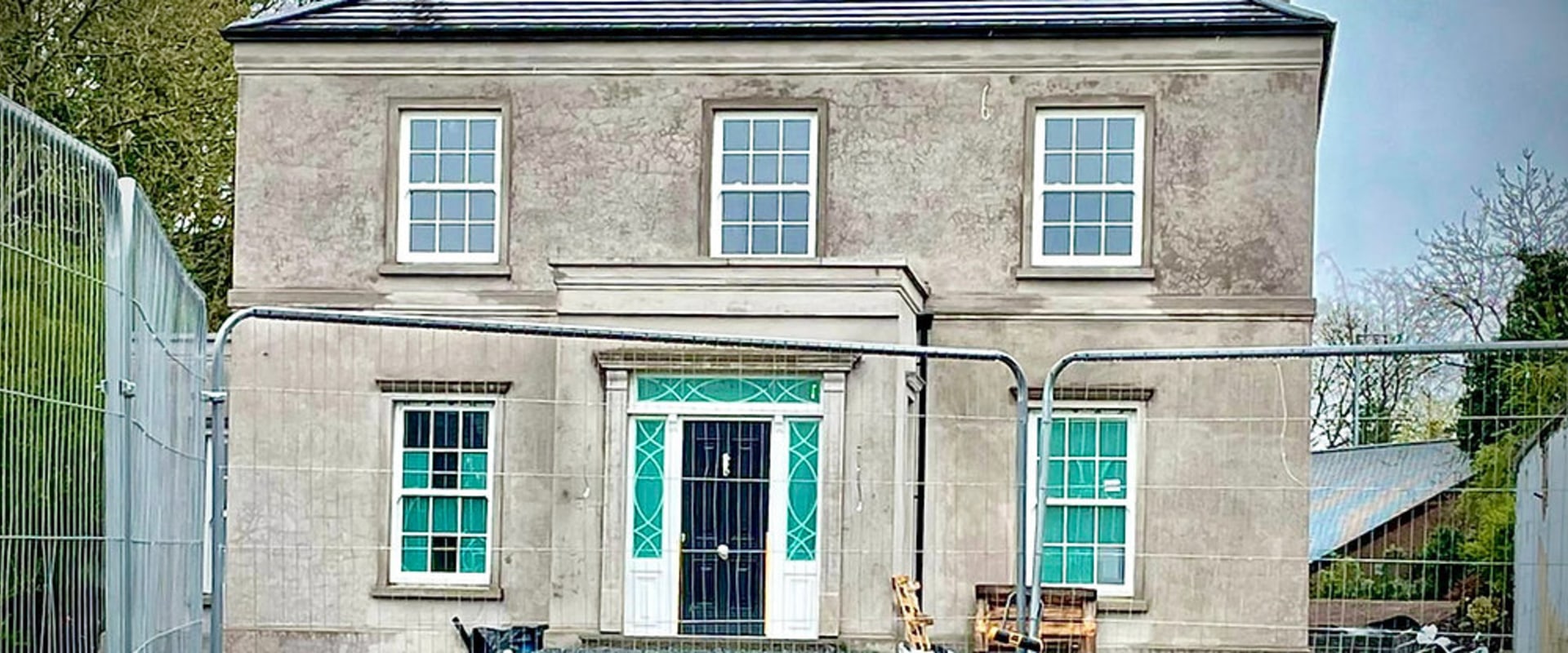
Building a new home is an exciting journey, but it often raises the question: how long does it take to build a new home? Understanding the home construction timeline is crucial for prospective homeowners, as it not only affects financial planning but also influences the overall experience of creating a personalised living space. The duration of the construction process can vary significantly based on numerous factors, making it essential to grasp the elements that contribute to the timeline. For instance, selecting the right bathroom accessories can impact both the design and functionality of your new home. From securing permits to selecting materials and managing labour, each stage of building a house plays a pivotal role in determining how quickly your dream home can become a reality. On average, the construction of a new home can take anywhere from several months to over a year, depending on the complexity of the design and local regulations.
Additionally, unforeseen circumstances such as weather conditions or supply chain disruptions can further extend this timeline. This article will delve into the various factors that influence home construction durations, providing you with insights that will help you set realistic expectations and prepare for the journey ahead. Whether you are a first-time builder or looking to expand your knowledge, understanding these timelines will empower you to navigate the process with confidence.
Factors Influencing Home Construction Duration
When embarking on a home construction project, several factors can significantly influence the overall duration of the build. Understanding these elements is essential for homeowners to set realistic timelines and expectations.- Site Preparation: The condition of the land where the home will be built plays a crucial role. If the site requires extensive grading, clearing, or excavation, this can add considerable time to the project.
Additionally, if the land is prone to flooding or has other environmental concerns, further delays may occur as additional measures are taken.
- Design Complexity: The intricacy of the home’s design can also impact construction time. Custom designs with unique architectural features often require more time for both planning and execution compared to standard designs. More complex homes may also necessitate specialised contractors, which can lead to scheduling conflicts and delays.
- Local Regulations and Permits: Navigating local building codes and obtaining necessary permits can be a time-consuming process. Each locality has its own regulations that must be adhered to, and delays in securing permits can halt construction until resolved.
Homeowners should factor in this timeline when planning their projects.
- Weather Conditions: Unpredictable weather can cause significant delays in construction schedules. Rain, snow, or extreme temperatures can halt work on-site, particularly during critical phases such as foundation laying or roofing.
- Supply Chain Issues: The availability of materials is another critical factor. Global supply chain disruptions can lead to shortages of essential building materials, causing delays in construction timelines. Homeowners should discuss potential supply issues with their contractors to better understand how this might affect their project.
This knowledge not only helps in setting realistic timelines but also aids in effective communication with contractors throughout the building process.
Common Delays in Home Construction Projects
When embarking on a home construction project, it is crucial to be aware of the common delays that can arise, as these can significantly impact your overall timeline and budget. Understanding these potential setbacks allows homeowners to plan accordingly and implement strategies to mitigate them. One of the primary reasons for construction delays is adverse weather conditions. Rain, snow, or extreme temperatures can halt work on-site, leading to extended timelines. Additionally, unforeseen site conditions, such as poor soil quality or the discovery of underground utilities, can also cause significant delays. Another common issue is the availability of materials.Supply chain disruptions or delays in delivery can stall progress. To avoid this, it is advisable to order materials well in advance and maintain open communication with suppliers.
Unexpected Issues in Construction
Unexpected issues often arise during the construction process. These can include:- Design changes: Homeowners may decide to make alterations after construction has begun, which can lead to delays as new plans are drawn up and approved.
- Labour shortages: A lack of skilled workers can slow down the pace of construction, particularly if multiple trades are required simultaneously.
- Permitting issues: Delays in obtaining necessary permits or inspections can halt progress until resolved.
- Thorough planning: Invest time in planning and design before breaking ground to reduce the likelihood of changes during construction.
- Regular communication: Maintain open lines of communication with your contractor and subcontractors to address any issues promptly.
- Contingency planning: Set aside a buffer in your timeline and budget for unexpected delays to avoid stress and financial strain.
Regional Variations in Home Construction Timeframes
When considering home construction timelines, it is essential to recognise that these can vary significantly based on regional factors. Different areas may experience unique challenges and advantages that influence the duration of building a new home.Climate Considerations
The climate in a particular region plays a crucial role in determining construction timeframes.For instance, areas with harsh winters may see delays due to snow and freezing temperatures, which can halt outdoor work. Conversely, regions with milder climates may allow for year-round construction, potentially speeding up the process.
Local Building Codes and Regulations
Each region has its own set of building codes and regulations that must be adhered to during construction. These codes can dictate everything from the materials used to the methods of construction. In some areas, stringent regulations may prolong the approval process, while in others, more lenient codes can facilitate quicker builds.Availability of Materials and Labour
The availability of construction materials and skilled labour can also vary by region.In urban areas, where demand is high, there may be a shortage of both materials and workers, leading to longer wait times. In contrast, rural areas might have more accessible resources but could face challenges in sourcing specialised labour.
Regional Differences in Construction Duration
- South East England: Typically experiences faster build times due to a robust supply chain and skilled workforce.
- North East England: May encounter longer timelines due to harsher weather conditions and fewer available contractors.
- Scotland: Often faces delays related to strict building regulations and seasonal weather impacts.
- Wales: Generally benefits from a balanced approach with moderate timelines influenced by local practices.
The Role of Contractors and Builders in Timelines
The choice of contractor or builder plays a pivotal role in determining the timeline of your home construction project. A skilled contractor not only brings expertise but also ensures that the project adheres to the planned schedule, minimising delays and optimising efficiency.How Contractors Affect Construction Time
- Experience and Reputation: Established contractors with a solid reputation often have streamlined processes and reliable subcontractors, which can significantly reduce construction time.
- Resource Management: Effective contractors manage resources efficiently, ensuring that materials are available when needed and that labour is adequately scheduled.
- Problem-Solving Skills: Experienced builders can quickly address unforeseen issues, preventing minor setbacks from escalating into major delays.
- Check References: Speak to previous clients about their experiences regarding timelines and overall satisfaction.
- Review Portfolios: Examine past projects to assess the quality of work and adherence to deadlines.
- Discuss Timelines Upfront: Ensure that potential builders provide a clear timeline and are committed to meeting it.
Regular communication is key; schedule frequent updates to discuss progress and any potential issues. Additionally, establishing clear expectations from the outset can help mitigate misunderstandings that may lead to delays. By fostering a collaborative relationship with your contractor, you can enhance the likelihood of completing your home on time and within budget.
FAQs About Home Construction Timelines
When considering home construction, many potential homeowners have questions about the timeline involved. Here are some of the most frequently asked questions regarding the duration of building a new home:- How long does it take to build a new home? The average time to build a new home typically ranges from 6 to 12 months, depending on various factors such as the size of the home, complexity of the design, and local building regulations.
- What factors can affect the construction timeline? Several elements can influence how long it takes to complete a home, including:
- The availability of materials
- Weather conditions
- Labour availability
- Permitting and inspection processes
- Are there ways to speed up the construction process? Yes, homeowners can expedite timelines by:
- Choosing pre-designed plans
- Working with experienced contractors
- Ensuring timely decision-making on materials and finishes
- What is the role of weather in construction delays? Adverse weather conditions, such as heavy rain or snow, can significantly delay construction.
Builders often plan for seasonal weather patterns to mitigate these risks.
- How can I stay informed about my home's construction progress? Regular communication with your builder is key. Many builders provide updates through meetings or online portals where you can track progress and address any concerns.
Conclusion: Key Takeaways on Home Construction Timelines
In summary, understanding the home construction timeline is crucial for prospective homeowners. Several factors can influence the duration of building a new home, and being aware of these can help set realistic expectations.Key Influencing Factors
- Design Complexity: The more intricate the design, the longer it typically takes to complete. Custom features and unique layouts can add significant time to the project.
- Permitting and Regulations: Navigating local building codes and obtaining necessary permits can be time-consuming.
Homeowners should factor in potential delays from regulatory bodies.
- Weather Conditions: Adverse weather can halt construction progress. Seasonal considerations are essential when planning timelines.
- Contractor Availability: The choice of contractor and their current workload can impact how quickly a project moves forward. Engaging a reputable builder early on is advisable.
- Supply Chain Issues: Material availability can fluctuate, especially during peak construction seasons or global supply disruptions, affecting timelines.
Additionally, having a clear vision and being prepared for potential changes during construction can lead to a smoother experience. Ultimately, while the average timeline for building a new home ranges from several months to over a year, understanding these key factors will empower homeowners to navigate their construction journey more effectively. By planning ahead and staying informed, you can ensure that your dream home becomes a reality in a timely manner.