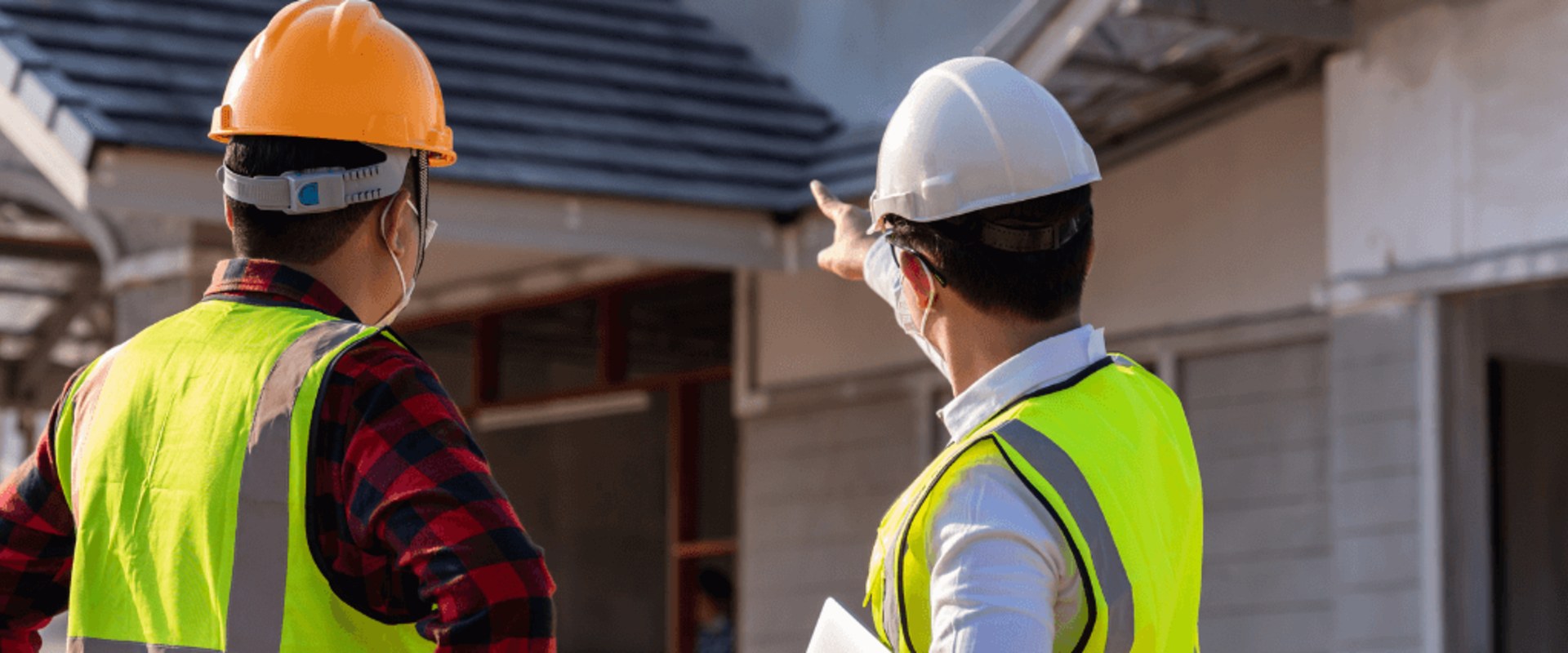
Home construction is an exciting yet challenging endeavour that can significantly enhance the value and comfort of a property. However, it is essential for homeowners to understand the risks associated with home construction to ensure the safety of their families during this process. Construction sites are inherently fraught with safety hazards, which can pose serious threats not only to workers but also to residents and visitors. From heavy machinery to hazardous materials, the potential dangers are numerous and varied. One of the most common construction site dangers includes falls from heights, which can occur when scaffolding or ladders are improperly used.
Additionally, exposure to toxic substances such as asbestos or lead paint can have long-term health implications. Homeowners should also be aware of the risks posed by electrical work, which can lead to fires or electrocution if not handled correctly. Understanding these risks is crucial for homeowners, as it empowers them to take proactive measures to mitigate potential dangers. Moreover, it is vital for homeowners to communicate effectively with contractors and workers about safety protocols and site regulations. Establishing clear guidelines and ensuring that all parties are aware of the potential hazards can significantly reduce the likelihood of accidents.
By prioritising safety during the construction process, homeowners can create a secure environment for their families while achieving their dream home.
Creating a Safe Construction Environment
Ensuring a safe environment during the construction process is paramount for homeowners, especially when family members are present. Here are several key practices to establish a secure construction site:- Site Management: Designate a specific area for construction activities and ensure that it is clearly marked. Use barriers or fencing to restrict access to the site, preventing children and pets from wandering into potentially hazardous areas.
- Safety Protocols: Implement strict safety protocols that all workers must follow. This includes wearing appropriate personal protective equipment (PPE) such as hard hats, gloves, and safety goggles.
Regularly remind workers of the importance of adhering to these safety measures.
- Regular Inspections: Conduct frequent inspections of the construction site to identify and mitigate any hazards. Look for loose materials, exposed wiring, or unstable structures that could pose risks to family members.
- Clear Communication: Maintain open lines of communication with contractors and workers. Ensure that everyone on-site understands the safety procedures and knows how to report any unsafe conditions immediately.
- Emergency Preparedness: Prepare for emergencies by having first aid kits readily available and ensuring that all workers are trained in basic first aid. Establish an emergency plan that includes evacuation routes and contact information for local emergency services.
Choosing the Right Contractors and Professionals
When embarking on a home construction project, selecting the right contractors and professionals is crucial for ensuring the safety of your family.A qualified contractor not only brings expertise but also prioritises safety practices that protect both workers and residents. Here are some essential tips to consider when hiring contractors:
- Check Credentials: Always verify the contractor's qualifications, including their licensing, insurance, and bonding. A reputable contractor should be able to provide proof of these credentials upon request.
- Look for Experience: Choose contractors who have a proven track record in home construction and maintenance. Experienced professionals are more likely to adhere to safety standards and regulations.
- Read Reviews and References: Research online reviews and ask for references from previous clients.
This will give you insight into the contractor's reliability and commitment to safety.
- Discuss Safety Practices: During the initial consultation, inquire about the contractor's safety protocols. A responsible contractor should have a clear plan for maintaining a safe work environment, including measures for protecting your family from potential hazards.
- Get Multiple Quotes: Obtain quotes from several contractors to compare not only prices but also their approach to safety. This can help you identify those who prioritise safety over cost-cutting.
By prioritising safety in your selection criteria, you can enjoy peace of mind as your home undergoes its transformation.
Implementing Safety Measures During Construction
Ensuring the safety of your family during the construction process is paramount. By implementing effective construction safety measures, homeowners can significantly reduce risks and create a secure environment. Here are some essential strategies to consider:- Establish Clear Boundaries: One of the first steps in maintaining safety is to set up clear boundaries around the construction site. Use fencing or barriers to prevent unauthorised access, especially for children and pets.
Clearly mark these areas with warning signs to alert anyone approaching.
- Use Protective Equipment: Ensure that all workers on-site are equipped with appropriate protective equipment. This includes hard hats, safety goggles, gloves, and steel-toed boots. As a homeowner, you should also consider wearing protective gear when visiting the site.
- Regular Safety Meetings: Conduct regular safety meetings with your construction team to discuss potential hazards and review safety protocols. This practice not only keeps everyone informed but also fosters a culture of safety on-site.
- Supervise Children: Keep children away from the construction area at all times.
Designate a safe play area far from the site where they can engage in activities without risk. Always supervise them closely if they are near the vicinity.
- Maintain Cleanliness: A tidy worksite is crucial for safety. Ensure that tools, materials, and debris are stored properly and that walkways are clear to prevent trips and falls.
- Emergency Preparedness: Have an emergency plan in place. This should include first aid kits readily available on-site and a clear understanding of emergency procedures among all workers and family members.
Remember, prioritising family safety not only safeguards your loved ones but also contributes to a smoother construction experience overall.
Communicating with Family Members About Safety
Effective communication within the family is crucial during the construction process to ensure everyone understands the potential hazards and safety measures in place. It is essential to create an environment where family members feel comfortable discussing their concerns and questions regarding safety.Establishing Safety Meetings
- Schedule regular family meetings to discuss ongoing construction activities and any associated risks.
- Encourage open dialogue where everyone can voice their thoughts and feelings about the construction process.
- Use these meetings to review safety protocols and remind family members of the importance of adhering to them.
Educating Children About Construction Safety
Children are naturally curious, which can lead them into potentially dangerous situations on a construction site. Therefore, it is vital to educate them about safety:
- Explain the Dangers: Use age-appropriate language to explain what construction entails and the specific dangers they should be aware of, such as heavy machinery, sharp tools, and unstable structures.
- Set Clear Boundaries: Designate safe areas where children can play away from construction zones. Make sure they understand these boundaries and the reasons behind them.
- Teach Safety Signals: Establish simple signals or phrases that indicate when it is safe to approach or when they should stay away from certain areas.
Encouraging Responsibility
Involve family members in safety practices by assigning them specific roles.
For instance, older children can help monitor younger siblings or remind them of safety rules. This not only fosters a sense of responsibility but also reinforces the importance of safety during the construction process.By prioritising communication and education, homeowners can significantly enhance their family's safety during construction. Ensuring that everyone is informed and engaged will help mitigate risks and create a safer environment for all.
Monitoring Construction Progress and Safety Compliance
Ensuring the safety of your family during the construction process is paramount, and one of the most effective ways to achieve this is through diligent monitoring of construction progress and adherence to safety compliance standards. Homeowners should take an active role in overseeing the construction site, which not only helps in maintaining safety but also ensures that the project stays on track.Regular Safety Compliance Checks
- Daily Inspections: Conduct daily inspections of the construction site to identify any potential hazards.
Look for issues such as exposed wiring, unsecured tools, or improper scaffolding.
- Documentation Review: Request to see safety compliance documentation from contractors. This includes safety plans, risk assessments, and records of any incidents that may have occurred on-site.
- Safety Gear Enforcement: Ensure that all workers are wearing appropriate personal protective equipment (PPE) such as helmets, gloves, and high-visibility clothing. This is a basic yet crucial aspect of maintaining safety on-site.
Ongoing Safety Assessment
In addition to regular checks, it’s essential to implement an ongoing safety assessment strategy. This can involve:
- Weekly Meetings: Hold weekly meetings with your contractor to discuss safety protocols and any changes in the construction plan that may affect safety.
- Third-Party Inspections: Consider hiring a third-party inspector who specializes in home construction and maintenance.
They can provide an unbiased evaluation of safety practices and compliance with local regulations.
- Feedback Mechanism: Establish a feedback mechanism for workers to report unsafe conditions without fear of repercussions. This encourages a culture of safety on-site.
FAQs About Home Construction Safety
When it comes to home construction and maintenance, safety is a primary concern for many homeowners. Here are some frequently asked questions that can help clarify common concerns regarding safety during the construction process.What safety measures should I expect from my contractor?
Reputable contractors should implement several safety measures, including:- Site inspections: Regular checks to identify potential hazards.
- Personal protective equipment (PPE): Ensuring all workers wear appropriate gear such as helmets, gloves, and safety goggles.
- Clear signage: Posting warning signs around the site to inform visitors of potential dangers.
- Emergency procedures: Having a plan in place for accidents or injuries, including first aid kits and emergency contacts.
How can I keep my family safe during construction?
To ensure your family's safety while construction is underway, consider the following tips:- Establish boundaries: Clearly mark off areas that are off-limits to children and pets.
- Communicate with your contractor: Discuss your concerns and ask for regular updates on safety protocols being followed.
- Monitor the site: Keep an eye on the construction progress and any changes that may pose new risks.
- Educate your family: Teach your children about the dangers of construction sites and the importance of staying away from them.
What should I do if I notice unsafe practices?
If you observe unsafe practices on your construction site, it is crucial to act promptly.Here’s what you can do:
- Document the issue: Take photos or notes of any unsafe conditions or practices.
- Speak up: Address your concerns directly with the contractor or site manager.
- Contact authorities: If the issue persists and poses a significant risk, consider reporting it to local health and safety authorities.
Conclusion: Key Takeaways for Homeowners
In conclusion, ensuring the safety of your family during the home construction process is paramount. By implementing the strategies discussed throughout this article, homeowners can significantly mitigate risks and create a secure environment.Communication
is key; maintaining an open dialogue with contractors and workers helps to establish clear safety protocols. Regularly scheduled meetings can ensure that everyone is aware of potential hazards and the measures in place to address them. Additionally, site supervision cannot be overlooked. Having a designated person responsible for monitoring the construction site can help identify unsafe practices and enforce compliance with safety regulations.- Establish clear boundaries: Use fencing or barriers to keep children and pets away from hazardous areas.
- Provide safety gear: Ensure that all workers are equipped with appropriate personal protective equipment (PPE) to minimise injury risks.
- Educate your family: Teach your family members about the dangers associated with construction sites, including the importance of staying away from heavy machinery and tools.
Compliance with these laws not only protects your family but also ensures that the project runs smoothly without legal complications. Finally, remember that patience is vital during this process. Rushing through construction can lead to oversights that compromise safety. By taking the time to plan carefully and prioritise safety, you can create a secure home environment for your family while enhancing your property’s value through thoughtful construction and maintenance.