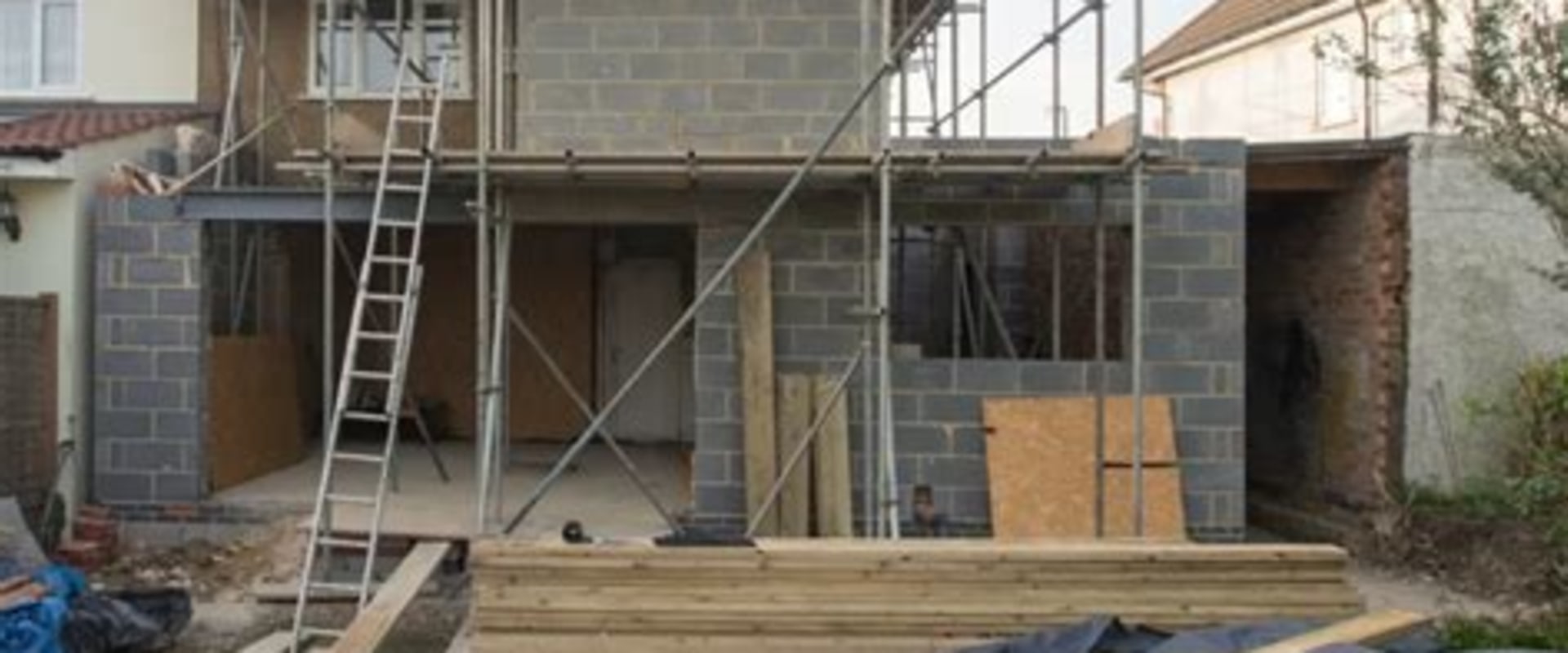
Building a new home is an exciting venture, but it also comes with a myriad of cost considerations that can significantly impact your budget. Understanding the average cost of building a new home in the UK is essential for anyone looking to embark on this journey. Just like Selecting the Perfect Tent for Your Camping, from land acquisition to construction materials and labour, each element contributes to the overall home construction costs, making it crucial to grasp these factors before diving in. The Building a new home is an exciting venture, but it also comes with a myriad of cost considerations that can significantly impact your budget. Understanding the average cost of building a new home in the UK is essential for anyone looking to embark on this journey. Just like Selecting the Perfect Tent for Your Camping, from land acquisition to construction materials and labour, each element contributes to the overall home construction costs, making it crucial to grasp these factors before diving in. The UK home building expenses can vary widely based on location, design choices, and the quality of materials used. For instance, constructing a home in London typically incurs higher costs compared to rural areas due to land prices and demand for skilled labour.
Additionally, the choice between bespoke designs and standardised plans can further influence your financial outlay. As you navigate through this complex landscape, it’s important to consider not just the initial costs but also long-term expenses related to maintenance and energy efficiency. This article aims to provide a comprehensive overview of what you can expect when budgeting for your new home. By exploring various factors that affect construction costs, we hope to equip you with the knowledge needed to make informed decisions and ultimately create a space that meets both your needs and your financial parameters.
Factors Influencing Home Construction Costs
When considering the average cost of building a new home, it is crucial to understand the various factors influencing home construction costs. These factors can significantly affect the overall budget and timeline of your project.Location plays a pivotal role in determining construction costs.Urban areas typically have higher land prices and stricter regulations, which can increase expenses. Conversely, rural locations may offer more affordable land but could incur additional costs for utilities and transportation. The choice of materials is another critical variable. High-quality materials, while more expensive upfront, can lead to long-term savings through durability and energy efficiency. On the other hand, opting for cheaper materials may reduce initial costs but could result in higher maintenance expenses over time.Design complexity also impacts costs.
A simple, straightforward design will generally be less expensive to construct than a home with intricate architectural features or custom elements. Homeowners should consider how their design choices align with their budget.Labour costs are another significant factor. The availability of skilled labour in your area can influence wages and project timelines. In regions where there is a high demand for construction workers, you may face increased labour costs. Additionally, market conditions , such as supply chain disruptions or fluctuations in demand for housing, can lead to unexpected changes in material prices and availability.
Keeping abreast of these trends can help homeowners make informed decisions. In summary, understanding these construction cost variables—location, materials, design complexity, and labour costs—is essential for anyone looking to build a new home. By carefully considering these factors, potential homeowners can better prepare for the financial commitment involved in home construction.
Average Costs by Region in the UK
When considering home construction and maintenance, understanding the average costs by region in the UK is crucial. The expenses associated with building a new home can vary significantly depending on geographical location, influenced by factors such as local labour rates, material availability, and regional demand.Average Costs by Region
- London: As the capital, London typically has the highest construction costs, averaging around £2,500 to £3,000 per square metre. This is largely due to high demand and expensive land prices.
- South East: Following London, the South East region sees average costs ranging from £2,000 to £2,500 per square metre.
Areas like Surrey and Kent are particularly expensive due to their proximity to the capital.
- East of England: In this region, average costs are slightly lower, averaging between £1,800 and £2,200 per square metre. However, prices can vary widely depending on specific locations.
- West Midlands: The West Midlands offers more affordable options, with average construction costs around £1,600 to £1,900 per square metre. Cities like Birmingham are seeing growth in housing demand.
- North West: In the North West, including cities like Manchester and Liverpool, costs range from £1,500 to £1,800 per square metre. This region is known for its relatively lower property prices.
- Yorkshire and the Humber: Here, average costs can be as low as £1,400 to £1,700 per square metre.
The area is attractive for those seeking more affordable housing options.
- North East: The North East remains one of the most affordable regions for home construction, with costs averaging between £1,300 and £1,600 per square metre.
Cost Breakdown: Materials and Labour
When planning for home construction, understanding the cost breakdown of materials and labour is essential for effective budgeting. The overall cost can vary significantly based on location, design, and the quality of materials chosen.Cost of Building Materials
The cost of building materials has seen considerable fluctuations in recent years, influenced by factors such as supply chain disruptions and global demand. Key materials include:- Bricks and Blocks: Prices can range from £400 to £800 per 1,000 units, depending on the type and quality.
- Cement: A standard bag of cement costs around £6 to £8, with an average house requiring approximately 100 bags.
- Timber: The price of timber has surged, with costs averaging £3 to £5 per metre for standard sizes.
- Roofing Materials: Depending on the material (tiles, slates, or metal), costs can vary from £30 to £100 per square metre.
Labour Costs in Construction
Labour costs are another significant component of home construction expenses.In the UK, the average hourly rate for skilled tradespeople is approximately:
- Bricklayers: £20 to £30 per hour
- Electricians: £25 to £40 per hour
- Plumbers: £20 to £35 per hour
- General Labourers: £15 to £20 per hour
Material Price Trends in the UK
Monitoring material price trends is crucial for anyone considering home construction. Recent data indicates that while some materials have stabilised, others continue to rise due to ongoing supply chain issues. It is advisable to consult with suppliers regularly and consider bulk purchasing where possible to mitigate costs.In conclusion, a thorough understanding of both material and labour costs will empower prospective homeowners to make informed decisions and effectively plan their budgets for new home construction.Additional Costs to Consider in Home Construction
When planning for home construction, it’s essential to consider not just the primary costs but also the additional expenses that can significantly impact your budget.Many homeowners overlook these hidden costs, which can lead to financial strain if not properly accounted for.
- Permits and Fees: Before breaking ground, you will need to secure various permits from local authorities. These can include planning permissions, building regulations approvals, and environmental assessments. The costs for these permits can vary widely depending on your location in the UK, so it’s wise to check with your local council.
- Inspections: Throughout the construction process, several inspections will be required to ensure compliance with safety and building standards. Each inspection may incur a fee, adding to your overall costs.
- Landscaping: Once the home is built, you may want to invest in landscaping to enhance curb appeal.
This can include planting trees, laying sod, or installing hardscaping features like patios and walkways. These costs can add up quickly and should be factored into your budget from the outset.
- Utility Connections: Connecting your new home to essential services such as water, electricity, and gas can also incur significant costs. Depending on the distance from existing lines and the complexity of the connections, these fees can vary.
- Contingency Fund: It’s advisable to set aside a contingency fund of around 10-20% of your total budget for unexpected expenses that may arise during construction. This could cover anything from unforeseen site conditions to changes in material prices.
This proactive approach will help ensure that you are not caught off guard by unexpected costs, allowing you to enjoy your new home without financial stress.
Financing Your Home Construction Project
When embarking on a home construction project, understanding your financing options is crucial. The right funding can make the difference between a dream home and a financial burden. Here are some common home construction financing options to consider:- Construction Loans: These are short-term loans specifically designed for building homes. They typically cover the cost of land, materials, and labour.
Payments are often interest-only during the construction phase, making them an attractive option for many homeowners.
- Home Equity Loans: If you already own a property, you might consider tapping into your home equity. This option allows you to borrow against the value of your existing home, providing funds for your new construction.
- Personal Loans: For smaller projects or additional funding, personal loans can be a viable option. They usually have higher interest rates but can be obtained quickly without the need for collateral.
- Government Programs: Various government-backed loans, such as those from the Help to Buy scheme or FHA loans, can assist first-time builders in securing financing with lower down payments and more flexible credit requirements.
Here are some tips for effective budgeting:
- Get Accurate Estimates: Consult with contractors to obtain precise quotes for materials and labour.
- Include Contingency Funds: Set aside 10-20% of your total budget for unexpected costs that may arise during construction.
- Track Expenses: Keep a close eye on your spending throughout the project to ensure you stay within budget.
FAQs About Home Construction Costs
When considering home construction costs, many potential homeowners have similar questions. Here are some of the most frequently asked questions regarding expenses associated with building a new home.What factors influence the cost of building a new home?
The cost of building a new home can vary significantly based on several factors, including:- Location: The geographical area can greatly affect material and labour costs.
- Size and design: Larger homes or those with complex designs typically incur higher costs.
- Materials: The choice of materials, from basic to luxury finishes, will impact the overall budget.
- Labour costs: Skilled labour can vary in price depending on the region and demand.
- Permits and fees: Local regulations may require various permits that add to the total cost.
How much should I budget for unexpected expenses?
It is advisable to set aside an additional 10% to 20% of your total budget for unexpected expenses. This buffer can help cover unforeseen issues such as:- Site preparation challenges
- Changes in material prices
- Delays due to weather or other factors
Are there financing options available for home construction?
Yes, there are several financing options available for those looking to build a new home. Common choices include:- Construction loans: These are short-term loans specifically designed for home building projects.
- Traditional mortgages: Some lenders offer mortgages that can be converted into permanent financing once construction is complete.
- Government-backed loans: Programs like FHA or VA loans may provide favourable terms for eligible borrowers.
Conclusion: Key Takeaways on Home Construction Costs
In conclusion, understanding the average cost of building a new home is crucial for anyone considering a construction project.Throughout this article, we have explored various factors that influence these costs, providing a comprehensive overview for prospective homeowners. Firstly, it is essential to recognise that the location of your build plays a significant role in determining overall expenses. Urban areas typically incur higher costs due to land prices and local regulations, while rural locations may offer more affordable options. Secondly, the size and design of the home are pivotal in shaping the budget. Larger homes with intricate designs will naturally require more materials and labour, leading to increased costs. Conversely, opting for a simpler design can help keep expenses manageable. Additionally, the choice of materials significantly impacts the overall budget.
High-quality materials may come with a higher upfront cost but can lead to long-term savings through durability and reduced maintenance needs. Moreover, engaging with experienced contractors can make a substantial difference in both cost and quality. It is advisable to obtain multiple quotes and check references to ensure you are getting the best value for your investment. Finally, it is important to factor in additional costs, such as permits, inspections, and landscaping, which can add up quickly if not accounted for from the outset. In summary, while the average cost of building a new home can vary widely based on numerous factors, careful planning and informed decision-making can help you navigate these complexities effectively. By understanding these key elements, you can better prepare for your home construction journey and ensure that your investment aligns with your financial goals.