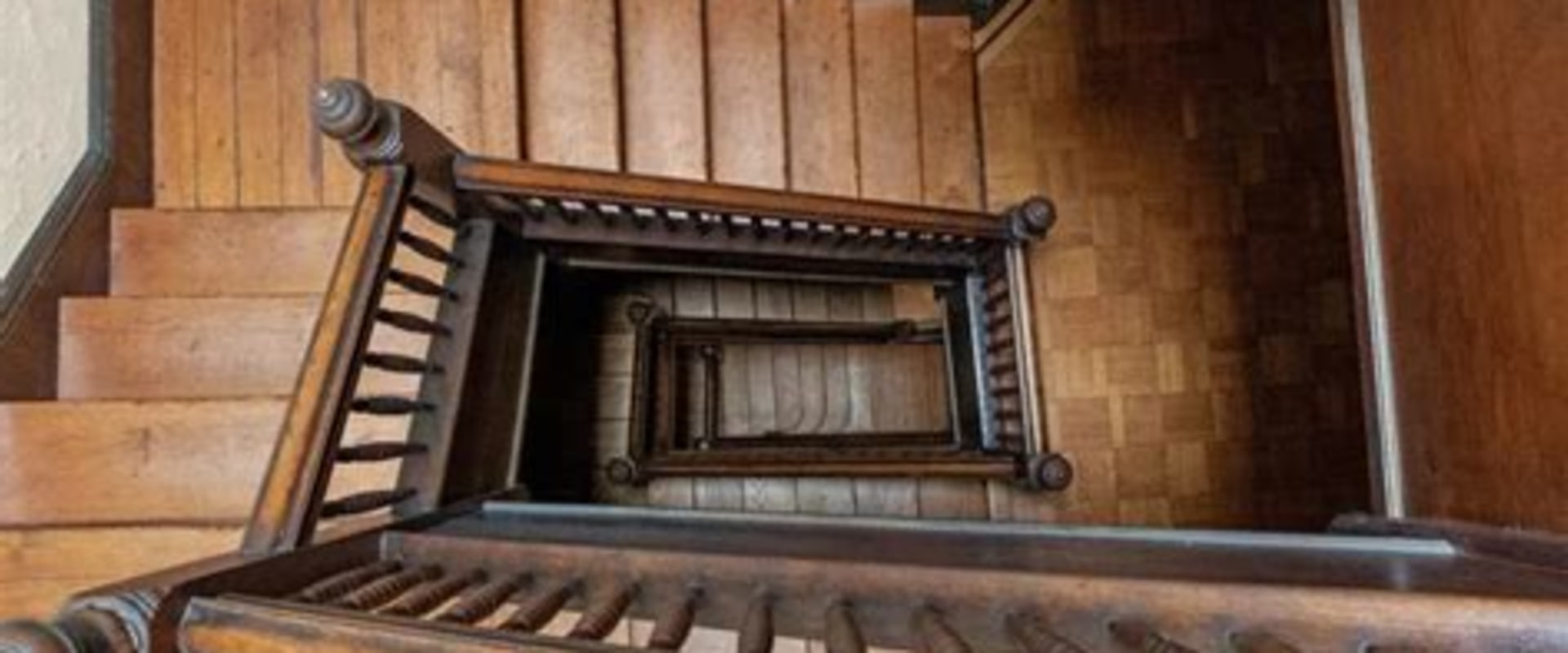
Maintaining historical homes is not merely a matter of preserving bricks and mortar; it is about safeguarding our cultural heritage and architectural legacy. These homes serve as tangible links to our past, reflecting the craftsmanship, design philosophies, and lifestyles of previous generations. Each historical home tells a unique story, offering insights into the social and economic contexts of its time. As such, their preservation is crucial not only for aesthetic reasons but also for fostering a sense of community identity and continuity. The benefits of preserving old homes extend beyond nostalgia.
They often possess unique architectural features that are increasingly rare in modern construction, such as intricate woodwork, original fireplaces, and period-specific layouts. These elements contribute to the character of a neighbourhood and can significantly enhance property values. In fact, well-maintained historical homes often appreciate at a higher rate than their contemporary counterparts, making them a wise investment for homeowners. Moreover, the act of maintaining these properties can stimulate local economies through tourism and heritage-related activities. Communities that embrace their historical homes often see an influx of visitors eager to experience the charm and history that these buildings embody.
This not only supports local businesses but also encourages a greater appreciation for the arts and crafts associated with traditional building methods. In summary, understanding the importance of historical homes is essential for anyone considering home construction and maintenance. By valuing these structures, we not only honour our past but also enrich our present and future, ensuring that the stories they hold continue to resonate for generations to come.
Assessing the Condition of Your Historical Home
When it comes to assessing the condition of your historical home, a thorough evaluation is essential to ensure its longevity and maintain its unique character. Older homes often come with a range of issues that may not be immediately visible, making it crucial to conduct a comprehensive inspection.Common Issues to Look For
- Structural Integrity: Check for signs of sagging floors, cracks in the walls, or uneven foundations. These can indicate serious structural problems that need immediate attention.
- Roof Condition: Inspect the roof for missing shingles, leaks, or signs of rot.
A well-maintained roof is vital for protecting the home from water damage.
- Electrical and Plumbing Systems: Older homes may have outdated electrical wiring or plumbing that does not meet current safety standards. Look for frayed wires, rusted pipes, or inconsistent water pressure.
- Windows and Doors: Check for drafts, broken seals, or rot in wooden frames. Properly functioning windows and doors are essential for energy efficiency and security.
- Foundation Issues: Look for signs of moisture in the basement or crawl space, which can lead to mould growth and further structural damage.
The Importance of Professional Inspections
While a basic assessment can be done by homeowners, hiring a professional inspector who specializes in historical homes is highly recommended. These experts are trained to identify subtle signs of wear that may go unnoticed by the untrained eye.
They can provide a detailed report on the home's condition and recommend necessary repairs or restorations.A professional inspection not only helps in identifying current issues but also aids in planning for future maintenance. Understanding the specific needs of your historical home will allow you to preserve its charm while ensuring it remains safe and functional for years to come.
Understanding Local Regulations and Preservation Guidelines
When it comes to maintaining historical or older homes, understanding local regulations and preservation guidelines is crucial. These regulations are designed to protect the architectural integrity and historical significance of properties, ensuring that any modifications or restorations are in keeping with their original character.In the UK, many older homes are classified as listed buildings, which means they are legally protected due to their historical or architectural value. Homeowners must be aware that any alterations, whether internal or external, may require planning permission.This includes seemingly minor changes such as replacing windows, doors, or roofing materials. Failing to obtain the necessary permissions can result in hefty fines and the requirement to restore the property to its original state.Additionally, local councils often have specific preservation guidelines that outline what is permissible for homes within conservation areas. These guidelines can dictate everything from the types of materials that can be used for repairs to the colour schemes that are acceptable. It is advisable for homeowners to consult their local council’s planning department before undertaking any work.
Key Considerations:
- Research Local Regulations: Familiarise yourself with local laws regarding historical properties.
- Consult Preservation Guidelines: Review guidelines specific to your area to ensure compliance.
- Seek Professional Advice: Engage with architects or builders who specialise in historical renovations.
- Document Changes: Keep detailed records of any work done on the property for future reference.
Choosing Appropriate Materials for Repairs and Renovations
When it comes to maintaining historical or older homes, choosing appropriate materials for repairs and renovations is crucial.The right materials not only preserve the aesthetic integrity of the property but also ensure its longevity and compliance with preservation standards.
Best Materials for Historical Home Repairs
- Wood: For wooden structures, it is essential to use timber that matches the original species. Reclaimed wood can be an excellent choice, as it often has the same characteristics and patina as the original materials.
- Brick: When repairing brickwork, sourcing bricks that match the original size, colour, and texture is vital. Consider using lime mortar instead of modern cement to allow for flexibility and breathability.
- Stone: For stone facades, select stones that are locally sourced and similar in type to those originally used. This helps maintain the home’s historical context.
Renovation Materials for Old Houses
- Plaster: Traditional lime plaster is preferable for interior walls as it allows moisture to escape, preventing damage to the structure.
- Roofing: When replacing roofing materials, opt for slate or clay tiles that reflect the original style of the home.
These materials not only enhance aesthetics but also provide durability.
- Windows: Retaining original windows is ideal; however, if replacements are necessary, choose energy-efficient models that mimic the original design.
Matching Original Materials in Renovations
To achieve a seamless look in renovations, it’s important to consider both aesthetic and functional aspects. Engaging with local suppliers who specialise in historical restoration can provide access to authentic materials. Additionally, consulting with preservation experts can guide homeowners in making informed decisions that respect the home’s heritage while ensuring modern standards of safety and efficiency are met.In summary, careful selection of materials that align with the original construction not only enhances the beauty of historical homes but also contributes to their preservation for future generations.
Energy Efficiency Upgrades in Historical Homes
Maintaining the charm of a historical home while enhancing its energy efficiency can be a delicate balance. However, with thoughtful upgrades, it is possible to improve sustainability without compromising the architectural integrity of these treasured properties.Insulation Solutions
- Attic Insulation: One of the most effective ways to improve energy efficiency is by adding insulation to the attic.
This can significantly reduce heat loss in winter and keep the home cooler in summer. Consider using eco-friendly materials that align with sustainable practices.
- Wall Insulation: For older homes, insulating walls can be challenging due to their construction methods. However, options like blown-in cellulose or spray foam can be used to fill cavities without damaging the structure.
Modern Heating Solutions
- High-Efficiency Boilers: Replacing outdated heating systems with modern, high-efficiency boilers can drastically reduce energy consumption. Look for models that are compatible with existing radiators to maintain the home's original heating system.
- Smart Thermostats: Installing smart thermostats allows homeowners to control heating more efficiently, ensuring that energy is not wasted when the home is unoccupied.
Windows and Doors
- Weatherstripping: Simple weatherstripping around doors and windows can prevent drafts and improve comfort levels without altering the historical appearance.
- Secondary Glazing: For homes with original windows, consider adding secondary glazing.
This method enhances insulation while preserving the aesthetic of the original glass.
Maintaining Structural Integrity: Roofs, Foundations, and Walls
Maintaining the structural integrity of historical homes is crucial for preserving their character and ensuring safety. Key components such as roofs, foundations, and walls require regular attention to prevent deterioration.Roof Care for Historical Houses
The roof is one of the most vital elements in protecting a home from the elements. For older homes, it is essential to:- Inspect regularly: Check for missing or damaged tiles, shingles, or slates.
Look for signs of wear, such as curling or cracking.
- Clear debris: Remove leaves, branches, and moss that can trap moisture and lead to rot.
- Maintain gutters: Ensure that gutters and downspouts are clear to prevent water from pooling on the roof or around the foundation.
- Consider historical materials: When repairs are needed, use materials that match the original construction to maintain authenticity.
Foundation Issues in Older Buildings
The foundation is critical for the stability of any home. Older buildings may face unique challenges:- Monitor for cracks: Small cracks can be normal, but large or widening cracks may indicate serious issues. Regularly inspect both interior and exterior walls.
- Check for moisture: Excess moisture can weaken foundations. Ensure proper drainage around the home and consider installing a sump pump if necessary.
- Address pest infestations: Termites and other pests can compromise structural integrity.
Regular pest inspections are essential.
Wall Maintenance
The walls of historical homes often bear the weight of their history. To maintain them:- Repair plaster carefully: Use traditional methods for plaster repairs to preserve the original look and feel.
- Inspect for dampness: Look for signs of damp or mould, which can indicate underlying issues with drainage or ventilation.
- Preserve original features: Whenever possible, retain original wall features such as wainscoting or decorative mouldings during renovations.
Preserving Historical Features: Windows, Doors, and Fixtures
When it comes to preserving historical features in older homes, particular attention should be given to windows, doors, and fixtures. These elements not only enhance the aesthetic appeal of a property but also contribute significantly to its historical value.Preserving Windows in Historical Homes
Original windows are often a defining characteristic of historical homes. To maintain their integrity, consider the following techniques:- Regular Maintenance: Inspect windows for signs of wear, such as rot or peeling paint.
Regularly applying a fresh coat of paint can protect the wood and maintain its appearance.
- Weatherproofing: Use weatherstripping and caulking to improve energy efficiency without compromising the original design.
- Restoration over Replacement: Whenever possible, restore original windows rather than replacing them. This can involve repairing sashes, replacing broken glass with period-appropriate materials, and ensuring that the window operates smoothly.
Maintaining Original Fixtures in Old Houses
The fixtures in a vintage property—such as light fittings, doorknobs, and plumbing—are often unique and irreplaceable. Here are some tips for their upkeep:- Gentle Cleaning: Use non-abrasive cleaners to avoid damaging delicate finishes. For metal fixtures, a soft cloth and mild soap can work wonders.
- Repair Instead of Replace: If a fixture is damaged, seek out restoration specialists who can repair rather than replace these items.
This helps maintain the home's authenticity.
- Documentation: Keep records of any repairs or restorations made to fixtures. This not only helps with future maintenance but also adds to the home's historical narrative.
Restoration of Doors in Vintage Properties
The doors of historical homes often feature intricate designs that reflect the architectural style of their time. To preserve these elements:- Inspect Regularly: Check for signs of warping or damage. Addressing issues early can prevent more extensive repairs later.
- Refinishing: If the door's finish is worn, consider refinishing it with appropriate materials that match the original style.
- Hardware Preservation: Maintain original hardware by cleaning and lubricating hinges and locks to ensure they function properly while retaining their historical charm.
Landscaping Considerations for Historical Properties
When it comes to landscaping for historical homes, the key is to enhance the property’s charm while preserving its unique character.Here are some essential considerations to keep in mind:
- Research Historical Context: Before making any changes, research the original landscaping style of your property. Many historical homes were designed with specific garden styles in mind, such as Victorian, Edwardian, or Georgian. Understanding these styles can guide your landscaping choices.
- Choose Appropriate Plantings: Opt for plants that were commonly used during the period your home was built. Native plants not only complement the historical aesthetic but also support local wildlife and require less maintenance.
- Maintain Original Features: If your property has existing features like stone walls, pathways, or old trees, ensure they are preserved and integrated into your garden design.
These elements add authenticity and character.
- Consider Scale and Proportion: The size of plants and structures should be in harmony with the scale of your home. Avoid oversized features that can overwhelm the property’s architecture.
- Incorporate Hardscaping Thoughtfully: Use materials that reflect the historical context of your home for patios, walkways, and fences. Natural stone or brick can enhance the vintage feel while providing durability.
- Seasonal Pruning: Regularly prune trees and shrubs to maintain their shape and health, ensuring they do not obscure architectural features.
- Lawn Care: Keep lawns well-maintained with appropriate mowing and fertilisation techniques that respect the local ecosystem.
- Pest Management: Use organic pest control methods to protect both your garden and the historical integrity of your home.
Common FAQs About Maintaining Historical Homes
Maintaining a historical home can be both rewarding and challenging.Here are some common questions that new owners often have regarding the preservation of these unique properties:
- What are the most important aspects of maintaining a historical home?
Key areas to focus on include the roof, foundation, and exterior walls. Regular inspections can help identify issues early, preventing costly repairs later. - How can I find reliable contractors experienced in historical home restoration?
Look for professionals who specialise in historic preservation. Check their credentials, ask for references, and review their previous work to ensure they understand the specific needs of older homes. - What materials should I use for repairs?
Whenever possible, use materials that are consistent with the original construction. This may include traditional wood, lime-based mortars, or period-appropriate fixtures to maintain authenticity. - Are there any grants or financial assistance available for maintaining historical homes?
Yes, many local governments and heritage organisations offer grants or tax incentives for the restoration and maintenance of historical properties.Research options available in your area.
- How do I handle modern upgrades while preserving historical integrity?
When making upgrades, such as electrical or plumbing improvements, aim to integrate them discreetly. Consult with preservation experts to ensure that changes do not compromise the home's character.
Conclusion: The Value of Careful Maintenance in Historical Homes
In conclusion, maintaining historical homes is not merely a matter of aesthetics; it is a vital practice that ensures the longevity and integrity of these unique structures. Throughout this article, we have explored several key considerations that highlight the importance of thoughtful maintenance in preserving the character and history embedded within these homes. Firstly, understanding the original materials and construction techniques used in historical homes is essential. This knowledge allows homeowners to make informed decisions when it comes to repairs and renovations, ensuring that any work done is sympathetic to the building's heritage.Using appropriate materials not only enhances the home’s appearance but also contributes to its structural stability. Secondly, regular inspections are crucial. By routinely assessing the condition of roofs, foundations, and plumbing systems, homeowners can identify potential issues before they escalate into costly repairs. This proactive approach not only saves money but also protects the home’s historical value. Moreover, engaging with professionals who specialise in historical restoration can provide invaluable insights and expertise. These specialists understand the nuances of working with older buildings and can offer guidance on best practices for maintenance and restoration. Lastly, fostering a community of like-minded individuals who appreciate historical preservation can be incredibly beneficial.
Sharing experiences and resources can lead to better maintenance practices and a deeper understanding of the challenges faced by owners of historical homes. In summary, careful maintenance of historical homes is an investment in our cultural heritage. By prioritising thoughtful practices, homeowners not only protect their property but also contribute to the preservation of history for future generations.