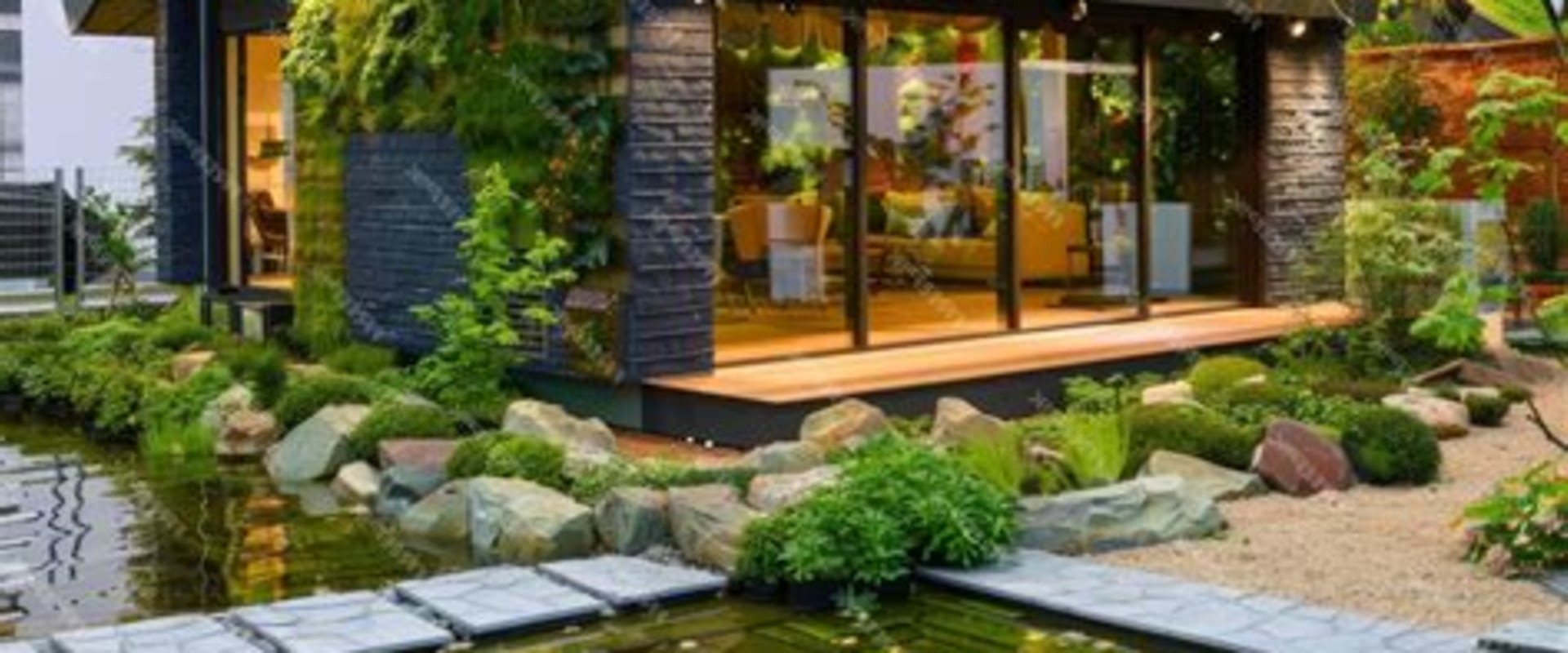
Sustainable home construction is an approach that prioritises environmental responsibility throughout the building process. It encompasses a range of practices aimed at minimising the ecological footprint of homes while enhancing their energy efficiency and overall livability. By integrating eco-friendly building materials and adhering to the principles of green architecture, homeowners and builders can create spaces that not only meet their needs but also contribute positively to the planet.The importance of sustainable home construction cannot be overstated. As climate change continues to pose significant challenges, adopting environmentally conscious building practices is essential for reducing greenhouse gas emissions and conserving natural resources.
Sustainable homes are designed to use less energy, water, and materials, which ultimately leads to lower utility bills and a reduced impact on the environment. Furthermore, these homes often provide healthier living conditions by utilising non-toxic materials and improving indoor air quality.Incorporating eco-friendly building materials such as reclaimed wood, bamboo, and recycled steel can significantly enhance the sustainability of a construction project. These materials not only reduce waste but also often require less energy to produce compared to traditional options. Additionally, embracing green architecture principles—such as passive solar design, natural ventilation, and efficient insulation—can optimise a home's energy performance while ensuring it remains comfortable year-round.
Energy Efficiency in Home Design
Incorporating energy-efficient home design is crucial for reducing energy consumption and promoting sustainability in home construction and maintenance.One of the most effective strategies is passive solar design, which utilises the sun's energy for heating and lighting without relying on mechanical systems. This approach involves orienting the home to maximise sunlight exposure, using large south-facing windows, and incorporating thermal mass materials that absorb and store heat during the day, releasing it at night.Another essential aspect of energy efficiency is the use of advanced insulation techniques. Proper insulation not only keeps homes warm in winter but also cool in summer, significantly reducing the need for heating and cooling systems. Homeowners should consider materials such as spray foam insulation, which provides an excellent air seal, or cellulose insulation, made from recycled paper products, which is both effective and environmentally friendly.
- Insulation Types:
- Fibreglass Insulation: Cost-effective and widely used, it comes in batts or rolls.
- Mineral Wool: Offers excellent fire resistance and soundproofing qualities.
- Reflective or Radiant Barrier: Ideal for hot climates, it reflects heat away from living spaces.
Double or triple-glazed windows with low-emissivity (Low-E) coatings help to minimise heat loss while allowing natural light to enter. This not only contributes to a comfortable indoor environment but also reduces reliance on artificial lighting.Finally, incorporating renewable energy sources such as solar panels can complement these design strategies. By generating your own electricity, you can significantly lower your utility bills and reduce your carbon footprint. In conclusion, adopting these sustainable practices in home construction and maintenance not only benefits the environment but also enhances the overall quality of life for homeowners.
Water Conservation Strategies
Incorporating water conservation strategies into home construction and maintenance is essential for promoting sustainability and reducing utility costs.One effective method is the implementation of rainwater harvesting systems, which collect and store rainwater for various uses around the home. This system typically involves the installation of gutters and downspouts that direct rainwater into storage tanks. Homeowners can then use this harvested water for irrigation, flushing toilets, or even washing clothes, significantly decreasing reliance on municipal water supplies.Another practical approach is the installation of low-flow fixtures. These fixtures, including showerheads, faucets, and toilets, are designed to use less water without sacrificing performance.
For instance, low-flow showerheads can reduce water usage by up to 50%, while dual-flush toilets allow users to choose between a full or half flush, optimising water use based on the need.Additionally, homeowners can consider implementing xeriscaping, a landscaping method that reduces or eliminates the need for irrigation. By selecting drought-resistant plants and using mulch to retain soil moisture, xeriscaping not only conserves water but also enhances the aesthetic appeal of a property.Regular maintenance of plumbing systems is also crucial in conserving water. Homeowners should routinely check for leaks in pipes and fixtures, as even minor leaks can lead to significant water waste over time. Prompt repairs can prevent unnecessary water loss and contribute to overall sustainability efforts.By integrating these sustainable practices into home construction and maintenance, homeowners can play a vital role in conserving water resources while enjoying the benefits of lower utility bills and a reduced environmental footprint.
Sustainable Landscaping Practices
Incorporating sustainable landscaping practices into your home construction and maintenance not only enhances the aesthetic appeal of your property but also contributes positively to the environment.One of the most effective ways to achieve this is by using native plants. These plants are well-adapted to the local climate and soil conditions, requiring less water and maintenance compared to non-native species. By choosing native flora, homeowners can create a vibrant ecosystem that supports local wildlife, including pollinators like bees and butterflies.Another sustainable approach is xeriscaping, a landscaping method designed to reduce or eliminate the need for irrigation. This technique involves selecting drought-resistant plants and employing efficient watering practices.
Here are some key principles of xeriscaping:
- Soil Improvement: Enhance soil quality with organic matter to retain moisture.
- Plant Selection: Choose plants that thrive in your local climate, focusing on those that require minimal water.
- Efficient Irrigation: Use drip irrigation systems or rainwater harvesting to optimise water usage.
- Mulching: Apply mulch around plants to reduce evaporation and suppress weeds.
- Design for Efficiency: Group plants with similar water needs together to streamline irrigation efforts.
Utilising Renewable Energy Sources
Incorporating renewable energy sources into home construction and maintenance is a pivotal step towards achieving sustainability. Homeowners can significantly reduce their carbon footprint and energy costs by utilising technologies such as solar panels and wind energy systems.Solar Panels
Solar panels are one of the most popular renewable energy solutions for homes. They convert sunlight into electricity, which can be used to power household appliances, lighting, and heating systems.Here are some key benefits of installing solar panels:
- Cost Savings: By generating your own electricity, you can lower your utility bills significantly.
- Increased Property Value: Homes equipped with solar energy systems often have higher resale values.
- Environmental Impact: Solar energy is clean and renewable, reducing reliance on fossil fuels.
Wind Energy Systems
Wind energy systems, while less common in residential settings than solar panels, can also be an effective way to harness renewable energy. Small wind turbines can be installed on properties with sufficient wind resources. Here are some advantages:- Sustainable Energy Production: Wind turbines can generate electricity even during cloudy days when solar panels may be less effective.
- Energy Independence: By producing your own wind energy, you can become less dependent on the grid.
- Low Operating Costs: Once installed, wind turbines require minimal maintenance and have low operational costs.
Eco-Friendly Maintenance Practices
Maintaining a home sustainably is essential for reducing environmental impact while ensuring a healthy living space.Eco-friendly home maintenance practices not only contribute to a greener planet but also promote the well-being of the inhabitants.One of the most effective ways to maintain your home sustainably is by using green cleaning products. Traditional cleaning agents often contain harmful chemicals that can pollute indoor air quality and harm the environment. Instead, consider using natural alternatives such as:
- Baking soda: A versatile cleaner that can tackle stains, deodorise carpets, and even unclog drains.
- White vinegar: An excellent disinfectant and deodoriser, perfect for cleaning windows and surfaces.
- Castile soap: A biodegradable soap that can be used for various cleaning tasks, from dishes to floors.
- Upcycling materials: Instead of purchasing new items, look for ways to repurpose existing materials.
For example, old wood can be transformed into furniture or decorative pieces.
- Energy-efficient appliances: When replacing appliances, opt for energy-efficient models that consume less power and water, reducing your overall carbon footprint.
- Sustainable sourcing: If you need to buy new materials, choose those sourced from sustainable suppliers. Look for certifications like FSC (Forest Stewardship Council) for wood products.
The Role of Certifications and Standards in Sustainable Construction
Incorporating sustainable practices into home construction and maintenance is increasingly vital, and understanding the role of certifications and standards can significantly enhance the sustainability of your project. Various certifications exist to guide homeowners and builders towards environmentally responsible choices.Understanding Sustainable Building Certifications
Sustainable building certifications serve as benchmarks for assessing the environmental performance of buildings.They provide a framework for implementing sustainable practices throughout the construction process. Two of the most recognised certifications are LEED (Leadership in Energy and Environmental Design) and BREEAM (Building Research Establishment Environmental Assessment Method).
LEED Certification
LEED certification is a globally recognised symbol of sustainability achievement. It evaluates buildings based on several criteria, including energy efficiency, water usage, indoor environmental quality, and materials selection. By pursuing LEED certification, homeowners can ensure that their construction projects not only minimise environmental impact but also enhance occupant health and well-being.BREEAM Standards
BREEAM, originating in the UK, is one of the oldest sustainability assessment methods.It assesses the sustainability performance of buildings across various categories such as energy, water, materials, and waste management. BREEAM-rated buildings are recognised for their commitment to reducing carbon emissions and promoting sustainable resource use.
The Importance of Certifications
- Credibility: Certifications provide credibility to your project, showcasing a commitment to sustainability.
- Market Value: Homes with recognised certifications often have higher market value and appeal to environmentally conscious buyers.
- Financial Incentives: Many local governments offer financial incentives for certified buildings, making sustainable choices more economically viable.
- Guidance: These standards offer clear guidelines on best practices in sustainable construction, helping homeowners make informed decisions.
Frequently Asked Questions about Sustainable Home Construction and Maintenance
When considering sustainable home construction and maintenance, many homeowners have questions about how to effectively implement eco-friendly practices. Below are some frequently asked questions that can help guide your journey towards a more sustainable living environment.What materials are best for sustainable home construction?
Choosing the right materials is crucial for sustainability.Some of the best options include:
- Recycled materials: Using reclaimed wood, recycled metal, or repurposed bricks can significantly reduce waste.
- Sustainable timber: Look for wood certified by the Forest Stewardship Council (FSC) to ensure it comes from responsibly managed forests.
- Low-VOC paints and finishes: These products improve indoor air quality and reduce harmful emissions.
How can I make my existing home more eco-friendly?
There are several ways to enhance the sustainability of your current home:- Energy-efficient appliances: Upgrade to appliances that have high energy ratings to reduce electricity consumption.
- Insulation improvements: Proper insulation can minimise heat loss, making your home more energy-efficient.
- Water-saving fixtures: Install low-flow taps and showerheads to conserve water without sacrificing performance.
What are some sustainable maintenance tips?
Maintaining a sustainable home involves regular upkeep that aligns with eco-friendly principles. Here are some tips:- Regularly check for leaks: Fixing leaks promptly can save water and prevent damage.
- Use natural cleaning products: Opt for biodegradable cleaners to reduce chemical exposure and environmental impact.
- Maintain your garden sustainably: Use native plants that require less water and avoid chemical pesticides by opting for organic alternatives.