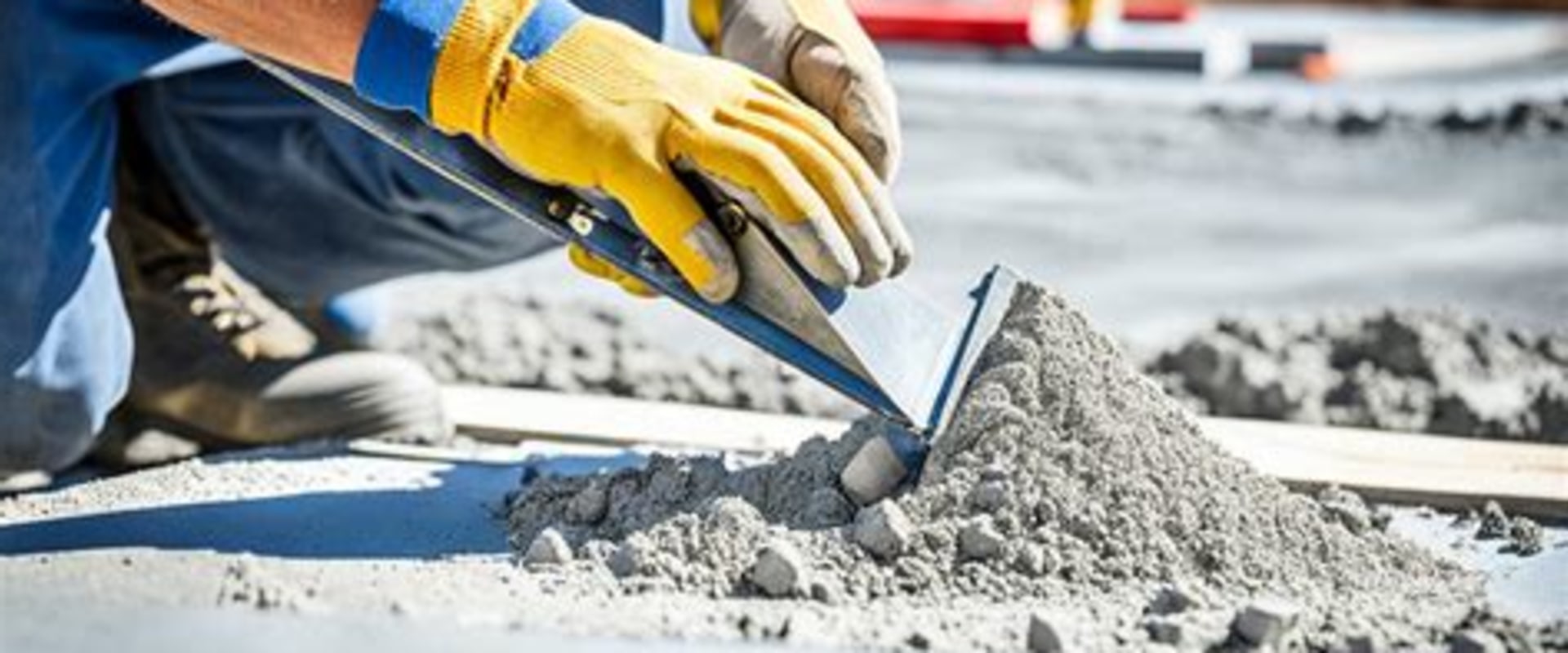
Building a home is an exciting yet complex journey that involves multiple phases of construction. From the initial planning stages to the final touches, each step plays a crucial role in ensuring that your dream home becomes a reality. Understanding the home construction process is essential for anyone looking to embark on this venture, much like following the Essential Guide to Garden Maintenance Preparing Your garden, as it not only helps in managing expectations but also in avoiding common pitfalls that can arise along the way. The construction process typically begins with site preparation and foundation work, followed by framing, roofing, and the installation of essential systems such as plumbing and electrical. Each of these phases requires careful attention to detail and adherence to local building codes. Building a home is an exciting yet complex journey that involves multiple phases of construction. From the initial planning stages to the final touches, each step plays a crucial role in ensuring that your dream home becomes a reality. Understanding the home construction process is essential for anyone looking to embark on this venture, much like following the Essential Guide to Garden Maintenance Preparing Your garden, as it not only helps in managing expectations but also in avoiding common pitfalls that can arise along the way. The construction process typically begins with site preparation and foundation work, followed by framing, roofing, and the installation of essential systems such as plumbing and electrical. Each of these phases requires careful attention to detail and adherence to local building codes.
As you progress through these stages, it’s vital to maintain clear communication with your contractors and suppliers to ensure that everything runs smoothly. As we delve deeper into the intricacies of building a house, we will highlight some of the most frequent mistakes that homeowners make during the construction process. By being aware of these potential missteps, you can better navigate your project and ultimately create a home that meets your needs and expectations. Whether you are a first-time builder or have experience in construction, understanding these common errors will empower you to make informed decisions throughout your journey.
Neglecting Proper Planning and Design
When embarking on a home construction project, one of the most critical phases is the planning and design stage. Neglecting this aspect can lead to a cascade of issues that not only delay the project but also inflate costs and compromise the quality of the final build.Common Construction Planning Mistakes
- Inadequate Blueprints: Skipping detailed blueprints can result in miscommunication among contractors and tradespeople, leading to errors that are costly to rectify.
- Poor Site Assessments: Failing to conduct thorough site evaluations can overlook essential factors such as soil stability, drainage issues, and local zoning laws, which can severely impact the construction process.
- Ignoring Budget Constraints: A lack of financial planning can lead to overspending on materials and labour, causing significant delays and potential project abandonment.
Design Errors in Home Building
- Overly Ambitious Designs: While creativity is vital, overly complex designs can complicate construction and lead to structural issues.
- Neglecting Functionality: A beautiful design that does not consider practical use can result in spaces that are difficult to navigate or utilise effectively.
A well-thought-out plan serves as a roadmap for the entire project, ensuring that all stakeholders are aligned and aware of their responsibilities. By investing time in proper planning and design, homeowners can avoid common pitfalls that lead to frustration and financial strain.
Choosing the Wrong Contractors
Choosing the right contractor is crucial for the success of your home construction and maintenance project. Many homeowners make the mistake of rushing this decision, which can lead to costly errors and unsatisfactory results. Here are some common pitfalls to avoid when selecting a contractor:- Not Checking References: One of the most significant mistakes is failing to verify a contractor's references.
Always ask for a list of previous clients and take the time to contact them. Inquire about their experience, the quality of work, and whether they would hire the contractor again.
- Ignoring Credentials: Ensure that your contractor holds the necessary licenses and insurance. This not only protects you legally but also indicates that they are qualified to perform the work required. Don’t hesitate to ask for proof of these credentials.
- Focusing Solely on Price: While budget is an important factor, choosing a contractor based solely on the lowest bid can lead to subpar work.
Look for a balance between cost and quality, and remember that sometimes you get what you pay for.
- Neglecting Written Contracts: Always insist on a detailed written contract that outlines the scope of work, timelines, payment schedules, and any warranties. This document serves as a safeguard against misunderstandings and disputes.
- Failing to Communicate: Good communication is key to a successful project. Ensure that your contractor is responsive and willing to discuss your concerns or changes throughout the construction process.
Ignoring Building Regulations and Permits
When embarking on a home construction project, one of the most critical aspects to consider is compliance with building regulations and the acquisition of necessary construction permits.These legal requirements are designed to ensure that all building work is safe, sustainable, and in line with local standards.
Understanding Building Regulations in the UK
- Building regulations in the UK set out minimum standards for design, construction, and alterations to buildings. They cover various aspects such as structural integrity, fire safety, energy efficiency, and accessibility.
- Failure to comply with these regulations can lead to serious consequences, including fines, mandatory demolition of non-compliant structures, or even legal action.
The Importance of Obtaining Construction Permits
- Construction permits are essential documents that grant permission to begin building work. They ensure that your project adheres to local zoning laws and land use regulations.
- Without the appropriate permits, you risk halting your project mid-way due to enforcement actions from local authorities.
Consequences of Ignoring Legal Requirements
- Ignoring legal requirements for home building can lead to increased costs in the long run. Rectifying non-compliance issues often requires additional work and can delay project timelines.
- Moreover, properties built without proper permits may face difficulties when it comes time to sell.
Potential buyers may be deterred by the lack of documentation or may require costly rectifications before proceeding with a purchase.
Underestimating Budget and Costs
One of the most significant pitfalls in home construction is underestimating the budget and costs. Many homeowners embark on their building journey with a rough estimate of expenses, only to find themselves facing unexpected financial strain as the project progresses. To avoid this common mistake, it is crucial to adopt a comprehensive approach to budgeting.1.Failing to Account for All Costs
- Direct Costs: These include materials, labour, and permits.
Ensure you obtain multiple quotes from contractors and suppliers to get a realistic picture of these expenses.
- Indirect Costs: Often overlooked, these can include site preparation, utility connections, and landscaping. Make sure to factor in these additional expenses when planning your budget.
- Contingency Fund: It is wise to set aside at least 10-20% of your total budget for unforeseen costs. This buffer can help mitigate the impact of any unexpected issues that arise during construction.
2.Ignoring Market Fluctuations
The cost of materials can fluctuate due to market conditions. For instance, prices for timber or steel may rise unexpectedly.
Staying informed about market trends and adjusting your budget accordingly can help you avoid significant cost overruns.
3.Inadequate Planning for Delays
Construction projects often face delays due to weather, supply chain issues, or contractor availability. These delays can lead to increased costs, especially if you are paying for temporary housing or storage. Incorporating a realistic timeline into your budget can help you prepare for these potential setbacks.
4.Not Consulting Professionals
Engaging with architects, builders, and financial advisors early in the process can provide valuable insights into realistic budgeting. Their expertise can help you identify potential pitfalls and ensure that your financial plan is robust enough to withstand the challenges of home construction and maintenance.By being thorough in your financial planning and avoiding these common budgeting errors, you can significantly reduce the risk of cost overruns, ensuring a smoother construction process and a successful outcome for your home project.
Overlooking Quality Materials and Workmanship
When embarking on a home construction project, one of the most critical aspects to consider is the quality of materials and workmanship.Overlooking these elements can lead to significant issues down the line, affecting not only the aesthetic appeal of your home but also its structural integrity and long-term maintenance.
Importance of Quality Materials
- Durability: High-quality materials are designed to withstand the test of time, reducing the need for frequent repairs and replacements.
- Energy Efficiency: Using superior insulation and energy-efficient windows can significantly lower energy bills and enhance comfort.
- Aesthetic Value: Quality materials contribute to a more polished and appealing finish, increasing your home's market value.
Common Material Selection Mistakes
- Choosing Cost Over Quality: While it may be tempting to opt for cheaper materials, this often leads to higher costs in the long run due to repairs and replacements.
- Ignoring Local Climate: Selecting materials that are not suited for your local weather conditions can result in premature wear and tear.
- Neglecting Manufacturer Reputation: Failing to research the reliability of material suppliers can lead to subpar products that compromise your construction project.
Workmanship Issues in Construction
The skill level of the workforce involved in your project is equally important. Poor workmanship can negate the benefits of high-quality materials. Common issues include:
- Poor Installation: Even the best materials can fail if not installed correctly, leading to leaks, structural weaknesses, and other problems.
- Lack of Attention to Detail: Small oversights during construction can result in significant issues later, such as uneven surfaces or misaligned fixtures.
Failing to Communicate Effectively with Stakeholders
Effective communication is the backbone of any successful home construction and maintenance project.When stakeholders, including contractors, clients, and suppliers, fail to communicate effectively, it can lead to misunderstandings, delays, and increased costs. Here are some common pitfalls to avoid:
- Inadequate Information Sharing: One of the most frequent mistakes is not sharing critical information promptly. This can result in misaligned expectations and project goals. Ensure that all parties have access to the same information and updates.
- Lack of Regular Updates: Regular communication is essential throughout the construction process.
Failing to provide updates can leave stakeholders in the dark about progress and potential issues. Schedule consistent check-ins to keep everyone informed.
- Ignoring Feedback: Stakeholders often have valuable insights that can enhance project outcomes. Ignoring their feedback can lead to dissatisfaction and hinder collaboration. Encourage open dialogue and actively seek input from all parties.
- Overlooking Cultural Differences: In diverse teams, cultural differences can impact communication styles.
Be mindful of these differences and adapt your communication approach accordingly to foster a more inclusive environment.
- Utilise Technology: Leverage project management tools and apps that facilitate real-time communication and document sharing among stakeholders.
- Establish Clear Roles: Clearly define roles and responsibilities for each stakeholder involved in the project to avoid confusion.
- Encourage Transparency: Foster an environment where stakeholders feel comfortable sharing concerns or challenges without fear of repercussions.
Neglecting Post-Construction Maintenance Planning
Once the construction of your home is complete, it can be tempting to think that your responsibilities are over. However, neglecting post-construction maintenance planning can lead to significant issues down the line. Proper maintenance is crucial for preserving the integrity and value of your new build house.One common oversight is failing to establish a maintenance schedule. Just as you would plan for regular servicing of a vehicle, your home requires ongoing attention.This includes tasks such as:
- Inspecting roofing and gutters at least twice a year to prevent water damage.
- Checking for cracks in walls and foundations, which can indicate structural issues.
- Maintaining HVAC systems by changing filters and scheduling annual inspections.
- Cleaning and sealing decks and patios to protect against weathering.
- Testing smoke detectors and carbon monoxide alarms regularly.
Home maintenance tips
should also include seasonal preparations. For instance, before winter, ensure that pipes are insulated to prevent freezing, and check that your heating system is functioning efficiently.
In the spring, focus on exterior maintenance, such as painting and landscaping, to keep your home looking its best.In summary, planning for ongoing maintenance after construction is essential for safeguarding your investment. By establishing a comprehensive maintenance plan and adhering to it diligently, you can avoid costly repairs and ensure that your new build house remains a safe and comfortable haven for years to come.
FAQs About Common Construction Mistakes
When embarking on a home construction project, it's common to have questions about potential pitfalls. Here are some frequently asked questions regarding common mistakes in the construction process:What are the most common mistakes made during home construction?
Some of the most prevalent mistakes include:- Poor planning: Failing to create a detailed plan can lead to budget overruns and delays.
- Ignoring local regulations: Not adhering to building codes can result in costly fines and rework.
- Underestimating costs: Many homeowners overlook hidden expenses, leading to financial strain.
- Choosing the wrong contractor: Selecting an unqualified contractor can compromise the quality of work.
- Neglecting site preparation: Inadequate site preparation can cause structural issues down the line.
How can I avoid these construction mistakes?
To steer clear of common errors, consider the following tips:- Create a comprehensive plan: Outline every aspect of your project, including timelines and budgets.
- Research local building codes: Familiarise yourself with regulations to ensure compliance.
- Get multiple quotes: Compare contractors and their past work to find a reliable partner.
- Conduct regular site inspections: Monitor progress and address issues as they arise.
What should I do if I realise I've made a mistake?
If you discover a mistake during the construction process, it’s crucial to act quickly. Assess the situation and consult with your contractor or a construction expert.They can provide guidance on how to rectify the issue without incurring significant additional costs.By being aware of these common mistakes and taking proactive steps, you can ensure a smoother home construction experience and achieve the results you desire.