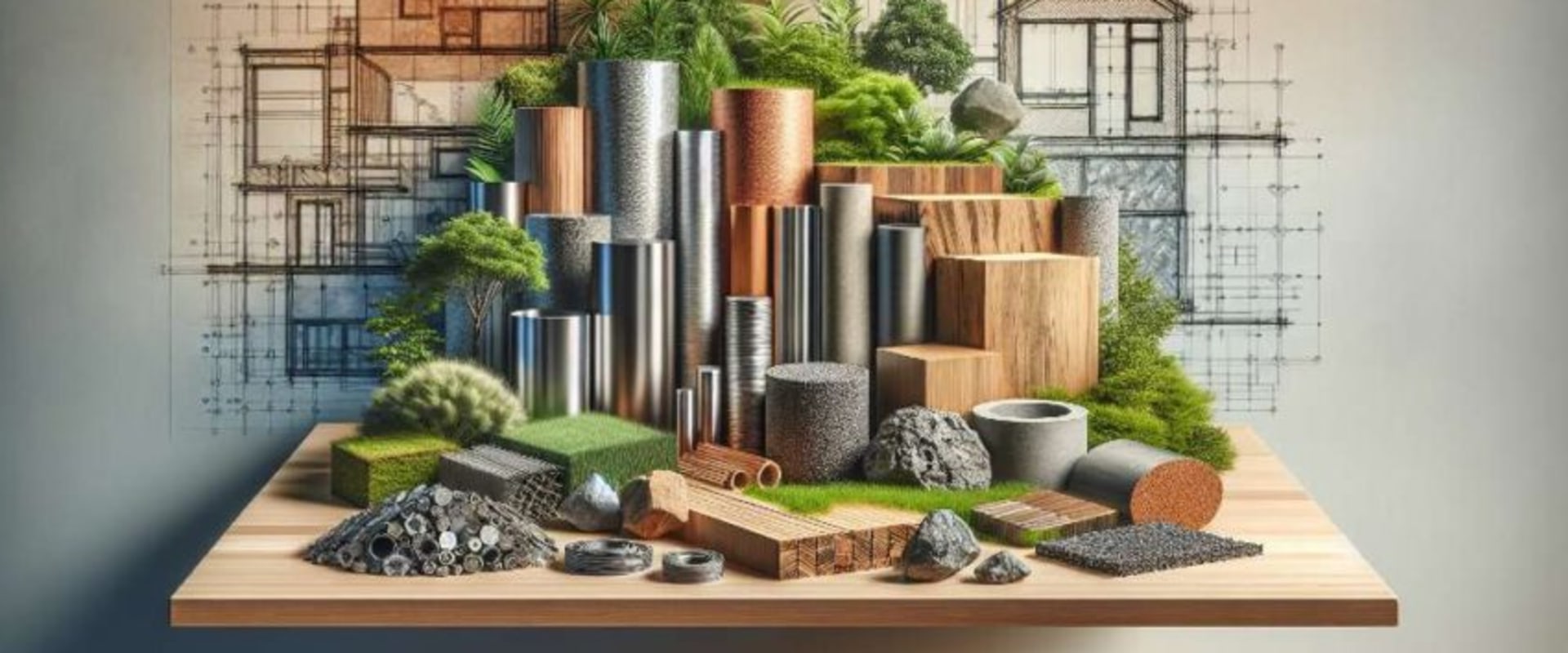
When embarking on a home construction project, one of the most critical decisions a homeowner faces is the selection of home construction materials. The materials chosen not only influence the aesthetic appeal of the property but also play a significant role in its durability, energy efficiency, and overall maintenance costs. Understanding the various types of construction materials available is essential for making informed choices that align with both personal preferences and practical requirements. There are numerous types of construction materials to consider, ranging from traditional options like wood and brick to modern alternatives such as steel and concrete. Each material comes with its own set of advantages and disadvantages, impacting factors such as insulation, longevity, and environmental sustainability.
For instance, while timber offers a warm and inviting look, it may require more maintenance over time compared to more durable materials like stone or metal. The importance of material selection cannot be overstated. Choosing the right materials can lead to significant cost savings in the long run, as well as enhance the home's value and appeal. Furthermore, with increasing awareness around sustainability, many homeowners are now prioritising eco-friendly materials that reduce their carbon footprint while still providing excellent performance. As you delve deeper into your home construction project, understanding these nuances will empower you to make choices that not only meet your immediate needs but also contribute to a sustainable future.
Factors to Consider When Choosing Materials
When embarking on a home construction project, selecting the right materials is crucial for ensuring durability, aesthetic appeal, and overall functionality.Here are some key factors to consider when making your choices:
- Climate: The local climate plays a significant role in material selection. For instance, in areas prone to heavy rainfall, materials that resist moisture, such as treated wood or fibre cement, are advisable. Conversely, in regions with high temperatures, materials that reflect heat, like light-coloured roofing tiles, can enhance energy efficiency.
- Budget: Establishing a clear budget is essential. While it may be tempting to opt for cheaper materials, investing in higher-quality options can lead to long-term savings through reduced maintenance and increased property value.
Always consider the lifecycle cost of materials rather than just the initial purchase price.
- Sustainability: With growing awareness of environmental issues, many homeowners are prioritising sustainable materials. Look for options that are recycled, locally sourced, or have low environmental impact. Materials like bamboo or reclaimed wood not only reduce your carbon footprint but can also add unique character to your home.
- Aesthetic Preferences: The visual appeal of your home is influenced by the materials you choose. Consider how different materials will complement each other and fit within the overall design of your property.
For example, combining natural stone with modern glass can create a striking contrast that enhances curb appeal.
Common Types of Construction Materials
When embarking on a home construction project, understanding the common types of construction materials is crucial for making informed decisions. Each material comes with its own set of advantages and disadvantages, which can significantly impact the overall quality, durability, and cost of your build.Wood
Wood is a traditional choice for many homeowners due to its natural aesthetic and versatility. It is relatively easy to work with and can be used for framing, flooring, and cabinetry.- Pros: Renewable resource, good insulation properties, and ease of modification.
- Cons: Susceptible to pests, moisture damage, and requires regular maintenance.
Steel
Steel has gained popularity in modern construction due to its strength and durability. It is often used in commercial buildings but is becoming more common in residential projects as well.- Pros: High strength-to-weight ratio, fire-resistant, and low maintenance.
- Cons: Higher initial cost and poor insulation properties unless combined with other materials.
Concrete
Concrete is one of the most widely used construction materials globally.It is known for its longevity and strength, making it ideal for foundations and structural elements.
- Pros: Durable, fire-resistant, and excellent thermal mass.
- Cons: Poor insulation properties on its own and can be prone to cracking if not properly mixed or cured.
Brick
Brick is another classic material that offers both aesthetic appeal and structural integrity. It is often used for exterior walls due to its durability.- Pros: Low maintenance, energy-efficient, and provides good insulation.
- Cons: Higher labour costs for installation and can be heavy, requiring a strong foundation.
Sustainable and Eco-Friendly Options
When embarking on a home construction project, selecting sustainable building materials is crucial for environmentally conscious homeowners. These materials not only reduce the ecological footprint of your home but also contribute to a healthier living environment.One of the most popular eco-friendly construction options is the use of recycled materials.Items such as reclaimed wood, recycled metal, and repurposed bricks can add character to your home while minimising waste. By choosing these materials, you are actively participating in the circular economy, which aims to keep resources in use for as long as possible.Another excellent choice is natural materials , such as bamboo, straw bales, and rammed earth. These materials are not only renewable but also have a lower carbon footprint compared to traditional options. For instance, bamboo grows rapidly and can be harvested sustainably, making it an ideal choice for flooring and cabinetry.In addition to material selection, implementing green building practices during construction can further enhance sustainability.
Techniques such as passive solar design, which maximises natural light and heat, can significantly reduce energy consumption. Furthermore, incorporating energy-efficient systems like solar panels or geothermal heating can lead to long-term savings on utility bills while benefiting the environment.Homeowners should also consider the life cycle of materials. This includes evaluating how materials are sourced, manufactured, and disposed of at the end of their life. Opting for products with low volatile organic compounds (VOCs) can improve indoor air quality and reduce harmful emissions.Ultimately, choosing sustainable and eco-friendly options for your home construction project not only aligns with environmental values but also enhances the overall quality and longevity of your home.
By prioritising these materials and practices, you contribute to a more sustainable future while creating a beautiful living space.
Cost Considerations in Material Selection
When embarking on a home construction project, cost considerations play a pivotal role in the selection of materials. Homeowners must balance the initial costs of materials with their long-term benefits to ensure a financially sound decision.One of the first steps in budgeting for home building is to establish a clear understanding of the cost of construction materials. Prices can vary significantly based on quality, availability, and market demand. For instance, while high-end materials like granite or hardwood may offer aesthetic appeal and durability, they often come with a hefty price tag.Conversely, more affordable options such as laminate or vinyl can provide satisfactory results at a fraction of the cost.To effectively budget for your project, consider the following:
- Research Material Costs: Gather quotes from multiple suppliers to compare prices and find the best deals.
- Prioritise Essential Materials: Identify which materials are crucial for structural integrity and safety, and allocate your budget accordingly.
- Factor in Long-Term Savings: Sometimes, investing in higher-quality materials can lead to lower maintenance costs over time. For example, energy-efficient windows may have a higher upfront cost but can significantly reduce heating bills.
- Explore Affordable Building Options: Look into alternative materials or methods that can reduce costs without compromising quality. For instance, using recycled materials or prefabricated components can be both economical and environmentally friendly.
Consulting with Professionals
When embarking on a home construction project, consulting with professionals such as builders and architects is crucial for making informed decisions about materials.These experts bring a wealth of experience and knowledge that can significantly influence the success of your project.
Understanding Material Options
Builders and architects can provide insights into the various materials available, helping homeowners understand the pros and cons of each option. For instance, they can explain the differences between traditional materials like brick and modern alternatives such as composite materials. This understanding is essential for making choices that align with both aesthetic preferences and functional requirements.
Cost-Effectiveness and Sustainability
Professional advice is also invaluable when considering the cost-effectiveness and sustainability of materials. Experienced builders can recommend options that not only fit within your budget but also offer long-term savings through durability and energy efficiency.
Architects can guide you towards sustainable materials that reduce environmental impact while enhancing the overall design of your home.
Hiring a Contractor
When hiring a contractor for your home building project, it’s essential to choose someone who values collaboration with architects and other professionals. A good contractor will facilitate communication between all parties involved, ensuring that material choices are practical and meet local building codes. This collaborative approach helps to avoid costly mistakes and delays.
Final Thoughts
In summary, consulting with builders and architects is a vital step in selecting the right materials for your home construction project. Their expertise not only aids in choosing suitable materials but also ensures that your project runs smoothly from start to finish.
By leveraging their knowledge, homeowners can make decisions that enhance both the functionality and aesthetic appeal of their homes.
FAQs About Home Construction Materials
When embarking on a home construction project, homeowners often have numerous questions regarding the selection of materials. Here are some frequently asked questions that can help clarify common concerns:- What factors should I consider when choosing construction materials?
Homeowners should evaluate durability, cost, maintenance requirements, and environmental impact. Additionally, consider the local climate and how it may affect material performance. - Are there sustainable options for construction materials?
Yes, many sustainable materials are available, such as bamboo, recycled steel, and reclaimed wood. These options not only reduce environmental impact but can also enhance the aesthetic appeal of your home. - How do I know if a material is suitable for my project?
Researching the properties of each material is crucial.Consult with professionals or refer to building codes and standards to ensure compliance and suitability for your specific project.
- What are the most common materials used in home construction?
Common materials include brick, concrete, wood, and steel. Each has its own advantages and disadvantages depending on the intended use and design of the home. - How can I balance cost with quality in material selection?
While it may be tempting to choose cheaper options, investing in higher-quality materials can save money in the long run through reduced maintenance and increased durability. Always compare long-term costs versus initial expenses.
Conclusion: Making Informed Choices for Your Home Project
In conclusion, selecting the right materials for your home construction project is a critical step that can significantly impact the overall success and longevity of your home. Throughout this article, we have explored various factors that influence material choice, including durability, cost-effectiveness, and environmental impact.By understanding these elements, homeowners can make informed decisions that align with their specific needs and preferences.It is essential to consider not only the aesthetic appeal of materials but also their functional properties. For instance, while natural stone may offer a timeless look, it might not be the best choice for areas prone to moisture unless properly treated. Similarly, opting for sustainable materials can enhance your home's energy efficiency and reduce your carbon footprint.
- Research: Take the time to research different materials and their applications. Look for case studies or testimonials from other homeowners who have undertaken similar projects.
- Consult Professionals: Engaging with architects or builders can provide valuable insights into the best materials suited for your specific project.
- Budget Considerations: Always factor in the long-term costs associated with maintenance and replacement when evaluating material options.
By applying the insights gained from this article, you can confidently navigate the myriad of options available and select materials that will serve you well for years to come.