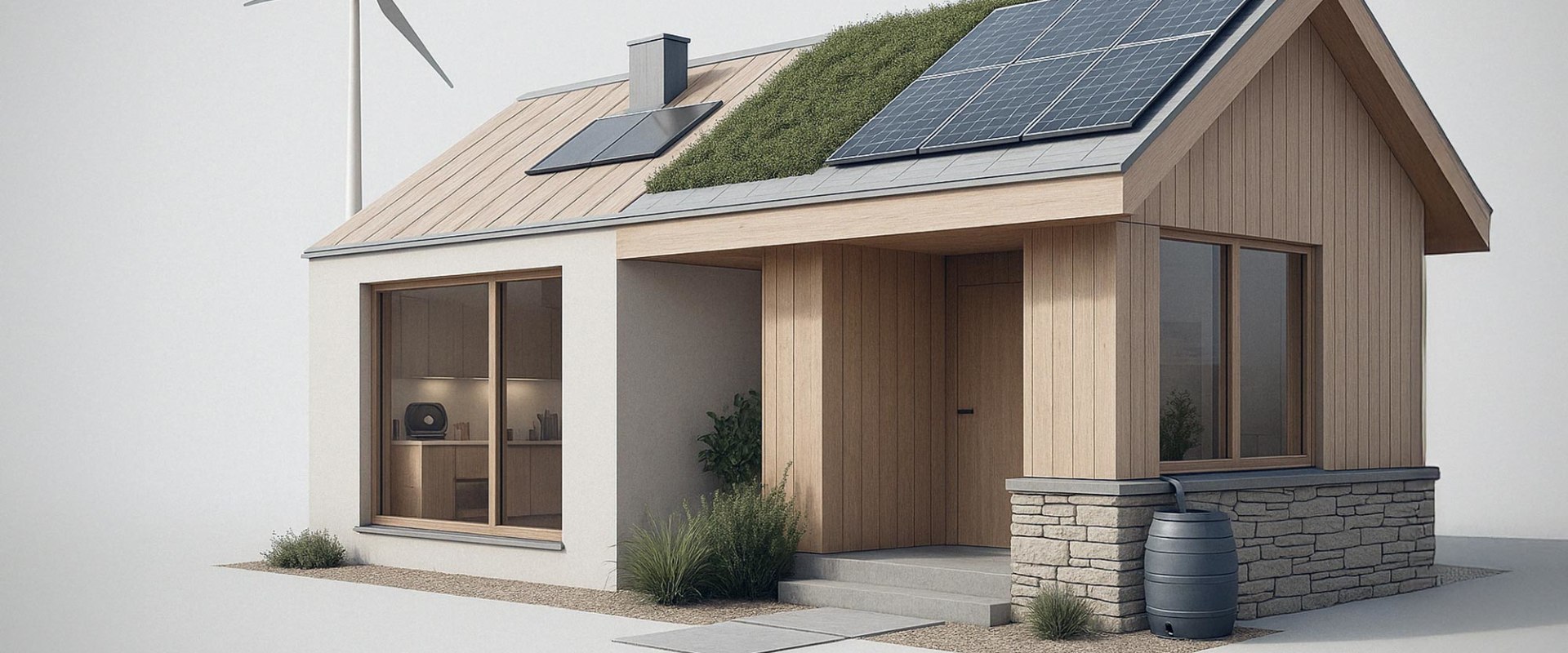
In today's world, where energy costs are on the rise and environmental concerns are at the forefront of public consciousness, understanding energy efficiency in homes has never been more crucial. Energy efficiency refers to using less energy to provide the same service, which not only helps in reducing monthly energy bills but also plays a significant role in minimising our carbon footprint. By making informed choices about home construction and maintenance, homeowners can significantly enhance their living spaces while contributing to a more sustainable future. Implementing energy-efficient practices in existing homes can lead to substantial home energy savings. Simple measures such as improving insulation, sealing drafts, and upgrading to energy-efficient appliances can make a remarkable difference.
These changes not only improve comfort levels within the home but also increase its overall value. Moreover, as more individuals embrace sustainable living, the demand for energy-efficient homes continues to grow, making it an essential consideration for any homeowner. As we delve deeper into this topic, we will explore various strategies and techniques that can be employed to enhance the energy efficiency of your home. From minor adjustments to major renovations, there are numerous ways to create a more efficient living environment that benefits both your wallet and the planet.
Conducting an Energy Audit
Conducting an energy audit is a vital step for homeowners looking to enhance the energy efficiency of their properties. This comprehensive assessment helps identify areas where energy is being wasted, allowing for targeted improvements that can lead to significant savings on energy bills.An energy audit typically involves a thorough examination of your home’s structure and systems.Here are the key components of the process:
- Initial Assessment: Begin with a walkthrough of your home to observe potential problem areas. Look for drafts around windows and doors, inadequate insulation, and outdated appliances.
- Energy Usage Review: Collect data on your energy consumption by reviewing past utility bills. This will help pinpoint high usage periods and identify trends.
- Blower Door Test: This test measures the airtightness of your home. A professional will use a blower door to create a pressure difference, helping to locate leaks in the building envelope.
- Thermal Imaging: Using infrared cameras, auditors can visually identify heat loss areas, revealing insulation deficiencies and air leaks that are not visible to the naked eye.
Common suggestions may include:
- Insulation Upgrades: Enhancing insulation in attics, walls, and basements can significantly reduce heat loss.
- Sealing Air Leaks: Caulking and weatherstripping around windows and doors can prevent drafts.
- Upgrading Appliances: Replacing old appliances with energy-efficient models can lower energy consumption.
Improving Insulation and Sealing
Improving the insulation and sealing of your home is crucial for enhancing its thermal efficiency. By minimising heat loss during colder months and keeping your home cool in the summer, you can significantly reduce energy consumption and lower utility bills.One effective way to improve insulation is by using various materials tailored to different areas of your home:- Fibreglass Insulation: This is one of the most common types, ideal for attics and walls. It is cost-effective and provides excellent thermal resistance.
- Foam Board Insulation: Suitable for basement walls and exterior walls, foam board offers high insulating values with minimal thickness.
- Spray Foam Insulation: This expands on application, filling gaps and cracks effectively.
It’s perfect for hard-to-reach areas and provides superior air sealing.
- Cellulose Insulation: Made from recycled paper products, cellulose is an eco-friendly option that can be blown into walls and attics, providing good thermal performance.
- Windows and Doors: Use weatherstripping or caulk to seal any gaps around frames.
- Electrical Outlets: Install foam gaskets behind outlet covers to prevent drafts.
- Pipes and Vents: Seal any openings where pipes or vents penetrate walls or ceilings.
Upgrading Windows and Doors
Upgrading to energy-efficient windows and doors is one of the most effective ways to enhance the energy efficiency of your home.These upgrades not only help in reducing heat loss but also contribute to a more comfortable living environment.One of the most popular options for window upgrades is double glazing. This involves two panes of glass separated by a space filled with argon gas, which acts as an insulator. The benefits of double glazing include:
- Reduced Heat Loss: Double-glazed windows significantly decrease the amount of heat escaping from your home, which can lead to lower heating bills.
- Improved Comfort: By minimising drafts and cold spots, double glazing helps maintain a consistent indoor temperature.
- Noise Reduction: The additional layer of glass provides better sound insulation, making your home quieter and more peaceful.
- UV Protection: Double-glazed windows can block harmful UV rays, protecting your furnishings from fading.
Composite doors
, for instance, are designed to provide excellent thermal performance while also being durable and secure.Key advantages include:
- Enhanced Insulation: Composite doors are constructed with materials that provide superior insulation compared to traditional wooden or uPVC doors.
- Low Maintenance: These doors require less upkeep than wood, as they do not warp or require regular painting.
- Aesthetic Appeal: Available in various styles and finishes, composite doors can enhance the overall look of your home while improving energy efficiency.
Optimising Heating and Cooling Systems
To enhance the energy efficiency of your home, optimising heating and cooling systems is crucial. These systems account for a significant portion of energy consumption, so ensuring they operate efficiently can lead to substantial savings on energy bills.Efficient Heating Systems
Start by evaluating your current heating system. If you have an older boiler or furnace, consider upgrading to a modern, high-efficiency model.These units use less fuel to produce the same amount of heat, which can drastically reduce your energy usage. Additionally, ensure that your heating system is appropriately sized for your home; an oversized unit can lead to inefficiencies.
- Regular Maintenance: Schedule annual maintenance checks to keep your heating system in top condition. This includes cleaning filters, checking for leaks, and ensuring that all components are functioning correctly.
- Thermostat Upgrades: Consider installing a programmable or smart thermostat. These devices allow you to set specific heating schedules, reducing energy use when you're not at home.
Cooling Solutions
For cooling systems, regular maintenance is equally important.Clean or replace air filters monthly during the cooling season to ensure optimal airflow and efficiency. Additionally, check the outdoor unit for debris and ensure it has adequate clearance for airflow.
- Seal Ducts: Inspect ductwork for leaks and seal any gaps with duct tape or mastic sealant. Leaky ducts can waste a significant amount of cooled air.
- Consider Zoning Systems: If your home has multiple levels or rooms that are used at different times, a zoning system can help direct cool air only where it’s needed.
HVAC Maintenance Tips
Regular maintenance of your HVAC system is essential for longevity and efficiency. Here are some tips:- Schedule professional inspections at least once a year.
- Keep the area around outdoor units clear of vegetation and debris.
- Monitor your energy bills for any sudden increases that may indicate inefficiencies.
Utilising Renewable Energy Sources
Integrating renewable energy sources into existing homes is a pivotal step towards enhancing energy efficiency and promoting sustainability.By harnessing natural resources, homeowners can significantly reduce their reliance on fossil fuels and lower their energy bills.
Solar Panels
One of the most popular options for homeowners is the installation of solar panels. These systems convert sunlight into electricity, providing a clean and renewable energy source. When considering solar panels, it’s essential to evaluate:- Roof Orientation: South-facing roofs typically receive the most sunlight, making them ideal for solar panel installation.
- Local Climate: Areas with high sun exposure will yield better results, but advancements in technology mean that solar panels can still be effective in less sunny regions.
- Incentives and Rebates: Many governments offer financial incentives for solar panel installation, which can significantly offset initial costs.
Wind Energy Options
Another viable renewable energy option is the use of small-scale wind turbines. These can be particularly effective in rural areas or locations with consistent wind patterns.When considering wind energy, homeowners should take into account:
- Wind Speed: A minimum average wind speed of 5-6 mph is generally required for wind turbines to be effective.
- Zoning Regulations: Local laws may dictate where and how wind turbines can be installed, so it’s crucial to check these before proceeding.
- Space Requirements: Wind turbines require adequate space to operate efficiently, typically needing a clear area free from obstructions.
Implementing Smart Home Technology
Incorporating smart home technology into your existing home can significantly enhance energy efficiency by providing real-time monitoring and control over your energy consumption. With the rise of smart devices, homeowners can now automate various systems, leading to reduced energy waste and lower utility bills.Energy management systems
are at the forefront of this technological shift. These systems allow you to track your energy usage patterns and identify areas where you can cut back.For instance, smart thermostats can learn your schedule and adjust heating and cooling accordingly, ensuring that energy is not wasted when you're not at home.
Benefits of Automation
- Remote Control: Smart home devices can be controlled remotely via smartphone apps, enabling you to turn off lights or adjust the thermostat from anywhere.
- Scheduling: You can set schedules for appliances, such as running the dishwasher or washing machine during off-peak hours when energy rates are lower.
- Integration: Many smart devices can work together, creating a cohesive system that optimises energy use across your home.
Water Conservation Techniques
Water conservation is a crucial aspect of enhancing the energy efficiency of your home. By implementing effective water-saving tips, you not only reduce your water bill but also decrease the energy required for heating and treating water.One of the most impactful changes you can make is to upgrade to efficient plumbing fixtures.Consider installing low-flow showerheads and faucets, which can significantly reduce water usage without sacrificing performance. For toilets, opt for dual-flush models that allow users to choose between a full or half flush, effectively minimising water waste.Another effective method is to implement rainwater harvesting. This technique involves collecting rainwater from your roof and storing it for later use, such as irrigation or flushing toilets. By utilising rainwater, you can lessen your reliance on municipal water supplies and reduce the energy costs associated with pumping and treating water.Additionally, regularly checking for leaks in your plumbing system can lead to substantial savings.
Even a small leak can waste gallons of water daily, leading to increased energy consumption for heating. Fixing these leaks promptly not only conserves water but also enhances the overall efficiency of your home.Lastly, consider using greywater systems that recycle water from baths, sinks, and washing machines for irrigation purposes. This not only conserves fresh water but also reduces the energy needed for heating and treatment processes.By adopting these water conservation techniques, homeowners can significantly improve their energy efficiency while contributing to a more sustainable environment.
Landscaping for Energy Efficiency
Landscaping plays a crucial role in enhancing the energy efficiency of an existing home. By strategically planning your outdoor space, you can create a natural environment that reduces energy consumption and improves comfort levels within your home.Energy-Efficient Landscaping Techniques
One of the most effective ways to achieve this is through the use of shade trees.Planting deciduous trees on the south and west sides of your home can provide significant shade during the summer months. This natural barrier helps to keep your home cooler, reducing the need for air conditioning and lowering energy bills. In winter, when these trees lose their leaves, sunlight can warm your home, thus balancing your heating needs.
Windbreaks for Energy Conservation
Another important aspect of energy-efficient landscaping is the implementation of windbreaks. Strategically placed shrubs and trees can act as a shield against cold winds, which can significantly lower heating costs during the colder months.A well-designed windbreak can reduce wind speed by up to 50%, creating a more stable temperature around your home.
Additional Benefits of Landscaping
In addition to energy savings, effective landscaping can enhance the overall aesthetic appeal of your property. A well-maintained garden not only increases curb appeal but also contributes to higher property values. Furthermore, incorporating native plants into your landscape design can reduce water usage and maintenance efforts, making it an environmentally friendly choice.In conclusion, investing in energy-efficient landscaping is a smart strategy for homeowners looking to improve their home's energy performance. By utilising shade trees and windbreaks, you can create a more comfortable living environment while also contributing to sustainability efforts.[FAQs] Common Questions About Home Energy Efficiency Improvements
Improving the energy efficiency of your home can seem daunting, but many homeowners have common questions that can help clarify the process.Here are some frequently asked questions regarding home energy efficiency improvements.
What are the most effective ways to improve energy efficiency in an existing home?
Some of the most effective methods include:- Insulation upgrades: Enhancing insulation in walls, attics, and basements can significantly reduce heat loss.
- Energy-efficient windows: Replacing old windows with double or triple-glazed options can prevent drafts and improve thermal performance.
- Smart thermostats: Installing a smart thermostat allows for better control of heating and cooling, optimising energy use.
- Sealing air leaks: Identifying and sealing gaps around doors, windows, and other openings can prevent unwanted airflow.
- Upgrading appliances: Replacing old appliances with energy-efficient models can lower energy consumption.
How much can I save by improving my home's energy efficiency?
The savings from energy efficiency improvements can vary widely based on the changes made. On average, homeowners can save between 10% to 30% on their energy bills annually. For example, upgrading insulation may lead to savings of up to 20%, while switching to energy-efficient appliances could save an additional 15%.Are there any government incentives for making energy-efficient upgrades?
Yes, many governments offer incentives such as tax credits, rebates, or grants for homeowners who make energy-efficient upgrades. It's advisable to check local regulations and available programmes that can help offset the costs of improvements.How long does it take to see results from energy efficiency improvements?
The timeline for seeing results can vary depending on the type of improvements made.Some changes, like sealing air leaks or installing a smart thermostat, may yield immediate benefits in comfort and cost savings. Others, such as insulation upgrades or window replacements, may take a few months to show significant reductions in energy bills.By addressing these common questions, homeowners can feel more confident in their journey towards enhancing their home's energy efficiency.
[Conclusion] Key Takeaways on Enhancing Home Energy Efficiency
In conclusion, enhancing the energy efficiency of your home is not only beneficial for the environment but also for your wallet. By implementing a variety of strategies, homeowners can significantly reduce energy consumption and improve overall comfort.Key Strategies Recap
- Insulation: Proper insulation in walls, attics, and floors is crucial. It helps maintain a consistent indoor temperature, reducing the need for heating and cooling.
- Energy-efficient windows: Upgrading to double or triple-glazed windows can prevent heat loss and improve thermal performance.
- Smart thermostats: Installing a smart thermostat allows for better control over heating and cooling systems, optimising energy use based on your schedule.
- Appliance upgrades: Replacing old appliances with energy-efficient models can lead to significant savings on energy bills.
- Renewable energy sources: Consider integrating solar panels or wind turbines to harness natural energy, further decreasing reliance on non-renewable resources.
By prioritising home construction and maintenance practices that focus on energy efficiency, homeowners can contribute to a greener future while enjoying the benefits of lower utility costs and increased property value. Ultimately, the journey towards an energy-efficient home is an ongoing process. Regular assessments and updates to your home’s systems will ensure that you are maximising efficiency and comfort for years to come.