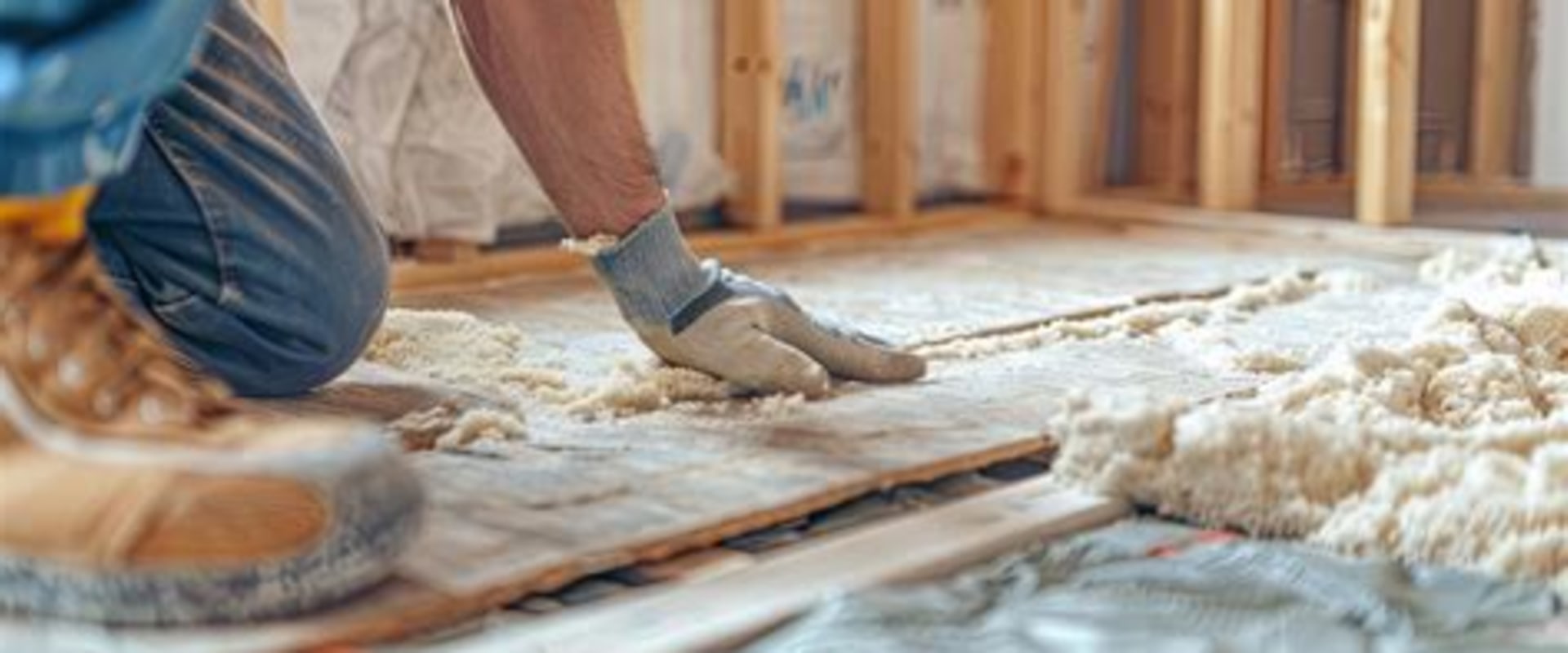
Insulation is a critical component of home construction and maintenance, playing a vital role in enhancing energy efficiency and overall comfort within a dwelling. Proper insulation acts as a barrier against heat loss in winter and heat gain in summer, ensuring that your home remains at a stable temperature throughout the year. This not only contributes to a more pleasant living environment but also significantly reduces the reliance on heating and cooling systems, leading to lower energy bills. The benefits of home insulation extend beyond mere comfort; they also encompass financial savings and environmental impact. By investing in quality insulation, homeowners can expect to see a reduction in energy consumption, which translates to decreased utility costs.
Furthermore, improved insulation contributes to a smaller carbon footprint, aligning with the growing emphasis on sustainability and eco-friendly living. Understanding why insulation matters is essential for any homeowner looking to maintain their property effectively. It not only protects the structural integrity of the home by preventing moisture buildup and mould growth but also enhances the resale value of the property. In an era where energy efficiency is paramount, ensuring that your home is well-insulated is not just a matter of comfort; it is an investment in your home’s future.
Types of Insulation Materials
When it comes to ensuring proper insulation in a home, understanding the types of insulation materials available is essential. Each material has its unique properties, advantages, and disadvantages, making it crucial for homeowners to choose wisely based on their specific needs.Fiberglass Insulation
Fiberglass insulation is one of the most common types used in residential construction.It consists of tiny glass fibers that trap air, providing excellent thermal resistance. This material is available in batts, rolls, and loose-fill forms.
- Advantages: Cost-effective, non-combustible, and resistant to moisture.
- Disadvantages: Can irritate skin and lungs during installation; requires protective gear.
Foam Board Insulation
Foam board insulation, made from polystyrene or polyisocyanurate, offers high insulating values with relatively thin profiles. It is often used in areas where space is limited, such as basement walls and exterior sheathing.- Advantages: Excellent thermal resistance and moisture control; lightweight and easy to handle.
- Disadvantages: Higher cost compared to fiberglass; can be susceptible to damage from UV exposure.
Cellulose Insulation
Cellulose insulation is an eco-friendly option made from recycled paper products. It is typically blown into walls and attics, providing a snug fit that reduces air leaks.- Advantages: Environmentally friendly, good soundproofing qualities, and effective at reducing air infiltration.
- Disadvantages: Can settle over time, reducing its effectiveness; may require treatment for pests.
By understanding the properties of these materials, homeowners can make informed decisions that align with their construction and maintenance goals.
Assessing Your Home's Insulation Needs
To ensure your home is adequately insulated, it’s crucial to assess your current insulation situation. This process involves identifying signs of poor insulation and conducting a thorough inspection.Signs of Poor Insulation- Inconsistent Temperatures: If certain rooms are significantly warmer or cooler than others, it may indicate inadequate insulation.
- High Energy Bills: A sudden spike in your heating or cooling costs can suggest that your insulation is not performing effectively.
- Draughts: Feeling cold air seeping through windows, doors, or walls is a clear sign that your insulation may be lacking.
- Mould or Dampness: Excess moisture can lead to mould growth, often a result of insufficient insulation preventing proper ventilation.
- Visual Inspection: Start by checking accessible areas such as attics, basements, and crawl spaces. Look for gaps, compressed insulation, or any signs of wear and tear.
- Use a Thermal Camera: A thermal imaging camera can help identify cold spots in your home that may indicate poor insulation.
- Check for Air Leaks: Conduct a simple test by holding a lit candle near windows and doors. If the flame flickers, you may have an air leak that needs addressing.
- Consult a Professional: If you’re unsure about your findings, consider hiring an insulation expert who can provide a comprehensive assessment and recommend improvements.
DIY Insulation Solutions
For homeowners looking to enhance their property’s energy efficiency, DIY insulation solutions can be a rewarding and cost-effective approach.Here are some practical tips and techniques to insulate your home yourself.
1.Assess Your Insulation Needs
Before starting any project, it’s essential to identify the areas in your home that require insulation. Common places include:- Attics
- Basements
- Crawl spaces
- Exterior walls
- Floors above unheated spaces
2.Choose the Right Materials
When selecting insulation materials, consider options that are suitable for DIY installation:- Fibreglass batts: Easy to install between wall studs and joists, these are a popular choice for attics and walls.
- Foam board: Ideal for insulating basement walls and exterior sheathing, foam boards provide excellent thermal resistance.
- Spray foam: While slightly more complex, spray foam can fill gaps and cracks effectively, providing an airtight seal.
- Reflective or radiant barrier: Useful in hot climates, these barriers reflect heat away from living spaces.
3.Installation Techniques
Here are some basic steps to follow when installing insulation:- Preparation: Clear the area of debris and ensure it is dry before installation.
- Measure: Accurately measure the space to determine how much insulation material you will need.
- Cutting: Cut the insulation material to fit snugly into the designated areas without compressing it.
- Installation: Place the insulation between studs or joists, ensuring there are no gaps. For batts, use a staple gun to secure them in place if necessary.
- Sealing: Use caulk or spray foam to seal any gaps around windows, doors, and electrical outlets to prevent air leaks.
DIY insulation projects
not only improve your home’s energy efficiency but also contribute to a more comfortable living environment. By taking on these tasks yourself, you can save on labour costs while gaining valuable skills in home maintenance.
When to Hire a Professional Insulation Contractor
Determining when to hire a professional insulation contractor can significantly impact the effectiveness of your home’s insulation.While some homeowners may feel confident tackling insulation projects themselves, there are specific scenarios where enlisting the help of experts is advisable.
Complexity of the Project
- If your home has unique architectural features or requires specialised insulation materials, a professional can ensure that the installation meets both aesthetic and functional requirements.
- In cases where multiple types of insulation are needed (e.g., spray foam, batt, or blown-in), professionals can assess and implement the best solutions for each area.
Safety Concerns
- Insulation installation can involve hazardous materials, such as fibreglass or spray foam chemicals. Professionals are trained to handle these materials safely, minimising health risks.
- If your home has existing mould or asbestos issues, a professional contractor will have the necessary training and equipment to address these hazards safely.
Time and Efficiency
- Hiring a professional can save you time. Experienced contractors can complete the job more quickly and efficiently than most DIY efforts.
- Professionals often have access to advanced tools and techniques that can enhance the quality of the installation.
Benefits of Hiring Professionals
- Expertise: Professionals bring years of experience and knowledge about local building codes and regulations, ensuring compliance and optimal performance.
- Warranty: Many professional insulation services offer warranties on their work, providing peace of mind that any issues will be addressed without additional costs.
- Energy Efficiency: Properly installed insulation by professionals can lead to significant energy savings, as they understand how to maximise thermal performance in your home.
Insulation Maintenance Tips
Maintaining your home insulation is crucial for ensuring its effectiveness and longevity.Here are some essential insulation maintenance tips to keep your home energy-efficient:
- Regular Inspections: Conduct regular inspections of your insulation, especially in areas prone to moisture, such as attics and basements. Look for signs of damage, such as sagging or dampness, which can indicate that your insulation needs attention.
- Check for Air Leaks: Air leaks can significantly reduce the effectiveness of your insulation. Use caulk or weatherstripping to seal gaps around windows, doors, and other openings. This simple step can help maintain the integrity of your insulation.
- Maintain Proper Ventilation: Ensure that your home has adequate ventilation to prevent moisture buildup, which can compromise insulation performance.
Install vents in attics and crawl spaces to allow for proper airflow.
- Keep Insulation Dry: Moisture is the enemy of insulation. If you notice any water damage or leaks, address them immediately to prevent mould growth and deterioration of the insulation material.
- Upgrade When Necessary: If your insulation is old or damaged beyond repair, consider upgrading to more modern materials that offer better thermal performance. Materials like spray foam or cellulose can provide superior insulation compared to older types.
A well-maintained insulation system is key to achieving optimal performance in your home construction and maintenance efforts.
Frequently Asked Questions about Home Insulation
Home insulation is a crucial aspect of home construction and maintenance, yet many homeowners have questions and misconceptions about it. Here are some frequently asked questions that can help clarify these doubts.What is the purpose of home insulation?
The primary purpose of home insulation is to regulate temperature within the home. It helps keep the heat in during winter and the cool air in during summer, leading to increased energy efficiency and reduced utility bills.How do I know if my home needs more insulation?
- If you notice drafts or cold spots in your home, it may indicate insufficient insulation.
- High energy bills can also be a sign that your insulation is not performing effectively.
- A professional energy audit can provide a comprehensive assessment of your insulation needs.
Are there different types of insulation?
Yes, there are several types of insulation, including:- Fibreglass: Commonly used due to its affordability and effectiveness.
- Foam: Offers excellent thermal resistance and is ideal for irregular spaces.
- Cellulose: Made from recycled paper, it is an eco-friendly option.
What are some common myths about insulation?
- Myth: More insulation is always better. Fact: There is an optimal level of insulation for each home; too much can lead to moisture issues.
- Myth: Insulation only matters in winter.
Fact: Proper insulation is essential year-round for maintaining comfortable temperatures.
- Myth: Insulation is only necessary in attics. Fact: Walls, floors, and basements also require adequate insulation for optimal performance.
Conclusion: Key Takeaways for Homeowners
In conclusion, ensuring proper insulation in your home is a critical aspect of home construction and maintenance that should not be overlooked. The benefits of effective insulation extend beyond mere comfort; they significantly impact energy efficiency, cost savings, and environmental sustainability. Here are the key takeaways for homeowners:- Understand the Types of Insulation: Familiarise yourself with various insulation materials such as fibreglass, foam, and cellulose. Each type has its own advantages and is suitable for different areas of your home.
- Assess Your Current Insulation: Regularly check the condition of your existing insulation.
Look for signs of wear, moisture damage, or gaps that could compromise its effectiveness.
- Prioritise Areas Needing Insulation: Focus on critical areas such as attics, walls, and basements where heat loss is most prevalent. Proper insulation in these areas can lead to significant energy savings.
- Consider Professional Help: If you're unsure about the insulation process or need a thorough assessment, hiring a professional can provide peace of mind and ensure that the job is done correctly.
- Stay Informed About Building Regulations: Keep up to date with local building codes and regulations regarding insulation to ensure compliance and optimal performance.