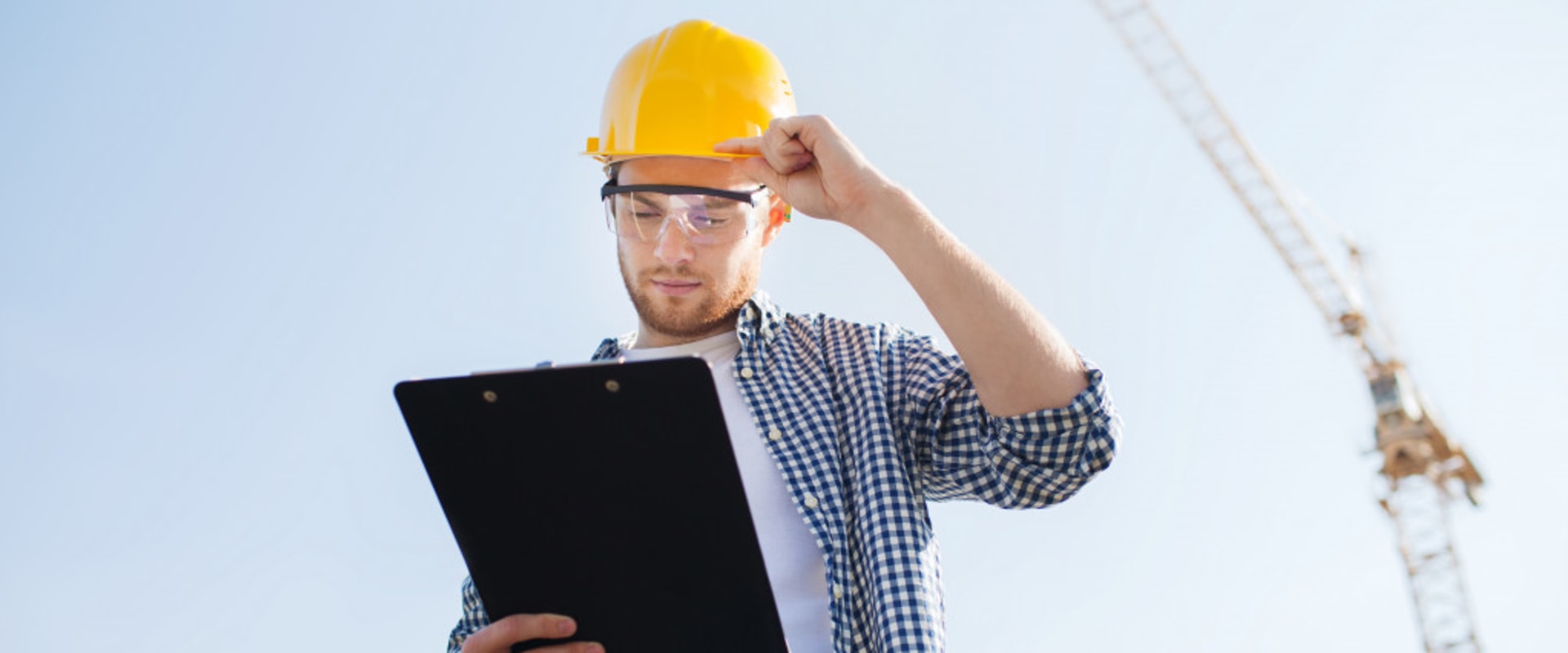
In the realm of home construction, safety is not merely a regulatory requirement; it is a fundamental principle that underpins every successful project. The construction site is inherently fraught with risks, from heavy machinery and hazardous materials to the potential for falls and injuries. Understanding the importance of safety in home construction is crucial for both contractors and homeowners alike, as it not only protects the workforce but also ensures the integrity of the project. Every year, numerous accidents occur on construction sites, leading to serious injuries or even fatalities. These incidents can stem from a lack of proper safety measures, inadequate training, or simply overlooking essential precautions.
By prioritising construction site safety, stakeholders can mitigate these risks significantly. This involves implementing comprehensive safety protocols, providing appropriate personal protective equipment (PPE), and fostering a culture of safety awareness among all workers. Moreover, the implications of neglecting safety extend beyond immediate physical harm. Legal repercussions, financial losses, and damage to reputation can all arise from unsafe practices. Therefore, recognising the significance of safety in home construction is not just about compliance; it is about creating a secure environment that promotes productivity and peace of mind.
As we delve deeper into this topic, we will explore specific safety precautions that can be adopted to safeguard everyone involved in the construction process.
Essential Personal Protective Equipment (PPE)
When it comes to home construction, ensuring the safety of all workers on site is paramount. One of the most effective ways to achieve this is through the use of personal protective equipment (PPE). This essential gear not only helps prevent injuries but also promotes a culture of safety within the construction environment.- Helmets: Hard hats are crucial for protecting against head injuries from falling objects or accidental bumps. They should meet the relevant safety standards and be worn at all times on site.
- Gloves: Depending on the tasks being performed, different types of gloves are necessary.
For instance, cut-resistant gloves are vital when handling sharp materials, while insulated gloves are essential for electrical work.
- Eye Protection: Safety goggles or face shields protect against flying debris, dust, and harmful chemicals. It’s important to choose eye protection that fits well and provides adequate coverage.
- Hearing Protection: In environments with high noise levels, such as those involving heavy machinery, earplugs or earmuffs can prevent long-term hearing damage.
- Respiratory Protection: Masks or respirators are necessary when working with hazardous materials that can release harmful dust or fumes. Selecting the right type based on the specific hazards is critical.
- Footwear: Steel-toed boots provide essential protection against heavy objects that may fall. Non-slip soles are also important to prevent slips and falls on uneven surfaces.
Regular inspections of equipment should also be conducted to ensure everything is in good condition. By prioritising safety gear for builders, construction sites can significantly reduce the risk of accidents and create a safer working environment for everyone involved.
Safe Use of Tools and Machinery
Ensuring the safe use of tools and machinery is paramount during home construction. Proper handling and maintenance can significantly reduce the risk of accidents and injuries on site.Tool Safety in Construction
- Inspect Tools Regularly: Before each use, check tools for any signs of wear or damage. Replace or repair any faulty equipment immediately.
- Use the Right Tool for the Job: Always select the appropriate tool for the task at hand.
Using a tool for an unintended purpose can lead to accidents.
- Wear Personal Protective Equipment (PPE): Ensure that all workers are equipped with necessary PPE, such as gloves, goggles, and hard hats, to protect against potential hazards.
Machinery Safety Tips
- Operator Training: Only trained and authorised personnel should operate heavy machinery. Regular training sessions can help keep skills sharp and knowledge up to date.
- Follow Manufacturer Guidelines: Always adhere to the manufacturer's instructions regarding operation and maintenance of machinery to ensure safe usage.
- Establish Safety Zones: Create designated areas around machinery where only trained personnel are allowed. This helps prevent accidents involving bystanders.
Safe Use of Construction Tools
- Maintain Clean Workspaces: Keep work areas tidy to avoid tripping hazards and ensure that tools are stored properly when not in use.
- Avoid Distractions: Focus on the task at hand. Distractions can lead to mistakes that may result in injuries.
- Report Hazards Immediately: Encourage workers to report any unsafe conditions or equipment malfunctions without delay to prevent accidents.
Managing Hazardous Materials on Site
When undertaking home construction and maintenance, it is crucial to be aware of the potential hazards posed by certain materials commonly found on construction sites.Proper identification and handling of these materials can significantly reduce health risks for workers and residents alike.
Identifying Hazardous Materials
Some of the most prevalent hazardous materials in construction include:- Asbestos: Often found in older buildings, asbestos can cause serious respiratory issues when disturbed.
- Lead Paint: Common in homes built before 1978, lead paint poses significant health risks, especially to children.
- Silica Dust: Generated from cutting or grinding materials like concrete, silica dust can lead to lung disease.
- Chemicals: Various adhesives, solvents, and paints may contain harmful chemicals that require careful handling.
Safe Handling Practices
To ensure safety when dealing with hazardous materials, consider the following practices:- Conduct a Risk Assessment: Before starting any work, assess the site for hazardous materials and determine the necessary precautions.
- Use Personal Protective Equipment (PPE): Equip workers with appropriate PPE such as masks, gloves, and protective clothing to minimise exposure.
- Follow Proper Disposal Procedures: Ensure that hazardous materials are disposed of according to local regulations to prevent environmental contamination.
- Provide Training: Educate all workers on the risks associated with hazardous materials and the correct handling procedures.
Implementing Site Safety Protocols
Ensuring safety on a construction site is paramount to protect workers and maintain a productive environment. Implementing robust site safety protocols is essential for minimising risks and responding effectively to emergencies.Establishing Site Safety Rules
- Personal Protective Equipment (PPE): All workers must wear appropriate PPE, including hard hats, gloves, safety goggles, and high-visibility clothing. Regular checks should ensure that equipment is in good condition.
- Site Access Control: Limit access to the construction site to authorised personnel only.
Use barriers and signage to clearly mark restricted areas.
- Tool and Equipment Safety: Ensure that all tools and machinery are regularly inspected and maintained. Workers should be trained in the proper use of equipment to prevent accidents.
- Hazard Communication: Clearly label hazardous materials and provide Material Safety Data Sheets (MSDS) for all chemicals used on-site. Regular training sessions should inform workers about potential hazards.
Emergency Procedures in Construction
- Emergency Contact Information: Post emergency contact numbers prominently around the site, including local emergency services and on-site first aid personnel.
- First Aid Training: Designate trained first aid responders among the workforce. Regularly conduct first aid training sessions to ensure preparedness for medical emergencies.
- Evacuation Plans: Develop clear evacuation routes and procedures in case of fire or other emergencies.
Conduct regular drills to familiarise all workers with these plans.
- Incident Reporting: Establish a system for reporting accidents or near misses. This helps identify potential hazards and improve safety measures on-site.
Training and Communication for Safety Awareness
Ensuring safety on a home construction site is paramount, and it begins with effective training and communication. Workers must be well-informed about the potential hazards they may encounter and the safety protocols in place to mitigate these risks.Construction Safety Training
- Regular Training Sessions: Conducting regular training sessions is essential.
These sessions should cover the use of personal protective equipment (PPE), safe handling of tools, and emergency procedures.
- Onboarding New Workers: New employees should undergo a comprehensive onboarding process that includes safety training tailored to their specific roles within the construction project.
- Refresher Courses: Periodic refresher courses can help reinforce safety practices and keep workers updated on any new regulations or technologies.
Communication in Construction Safety
- Daily Briefings: Implementing daily safety briefings can help identify potential hazards for the day’s tasks and ensure that all workers are aware of their responsibilities.
- Open Channels: Establishing open channels of communication encourages workers to report unsafe conditions or near misses without fear of reprisal. This proactive approach can significantly enhance overall site safety.
- Visual Aids: Using visual aids such as safety posters and hazard signs around the site can serve as constant reminders of safety protocols and best practices.
Regular Safety Inspections and Audits
Conducting regular safety inspections and audits is a critical component of ensuring a safe environment during home construction. These inspections help identify potential hazards before they escalate into serious incidents, thereby protecting workers and ensuring compliance with safety regulations.Importance of Regular Inspections
- Proactive Hazard Identification: Regular inspections allow for the early detection of unsafe conditions, such as exposed wiring, unstable scaffolding, or inadequate personal protective equipment (PPE).
- Compliance with Regulations: Adhering to local and national safety standards is essential.
Regular audits ensure that all safety protocols are being followed, reducing the risk of legal issues.
- Enhanced Worker Awareness: Frequent checks promote a culture of safety among workers, encouraging them to remain vigilant and report any unsafe conditions they observe.
Conducting Effective Safety Audits
To maximise the effectiveness of safety audits, consider the following steps:
- Schedule Inspections: Establish a regular schedule for inspections, ensuring they occur at key project milestones or after significant changes on site.
- Involve All Stakeholders: Engage workers, supervisors, and safety officers in the inspection process to gain diverse perspectives on potential hazards.
- Document Findings: Keep detailed records of all inspections and audits, noting any identified hazards and the actions taken to rectify them. This documentation can be invaluable for future reference and compliance verification.
FAQs About Home Construction Safety Precautions
When it comes to home construction safety, many homeowners have questions about the best practices to ensure a safe building environment. Here are some frequently asked questions that can help clarify important safety precautions.What are the most common safety hazards during home construction?
Common hazards include:- Falls: One of the leading causes of injuries on construction sites, often due to ladders, scaffolding, or uneven surfaces.
- Electrical hazards: Risks associated with live wires, improper grounding, and faulty equipment.
- Tool-related injuries: Improper use of tools can lead to cuts, punctures, or more severe injuries.
- Heavy lifting: Strains and sprains can occur from lifting heavy materials without proper techniques.
How can I ensure my construction site is safe?
To maintain a safe construction site, consider the following tips:- Conduct regular safety training: Ensure all workers are trained in safety protocols and emergency procedures.
- Use personal protective equipment (PPE): Hard hats, gloves, goggles, and steel-toed boots should be mandatory for all workers.
- Implement a site safety plan: Develop and communicate a comprehensive safety plan that addresses potential hazards and emergency responses.
- Keep the site organised: A tidy work area reduces the risk of accidents caused by tripping or falling objects.
What should I do in case of an accident?
If an accident occurs on your construction site, follow these steps:- Ensure safety first: Make sure the area is safe before providing assistance.
- Call for medical help: If injuries are serious, contact emergency services immediately.
- Document the incident: Take notes and photographs of the scene for future reference and insurance claims.
Conclusion: Prioritising Safety in Home Construction Projects
In conclusion, prioritising safety during home construction projects is not merely a regulatory requirement but a fundamental aspect that ensures the well-being of everyone involved.Throughout this article, we have explored various safety precautions that should be implemented to mitigate risks and enhance the overall safety of construction sites. Firstly, it is essential to conduct thorough risk assessments before commencing any work. This proactive approach allows for the identification of potential hazards and the implementation of appropriate control measures. Regular training and safety briefings for all workers can significantly reduce accidents and injuries on site. Moreover, the use of personal protective equipment (PPE) cannot be overstated. Ensuring that all personnel are equipped with the necessary gear, such as helmets, gloves, and high-visibility clothing, is crucial in safeguarding against unforeseen incidents. Additionally, maintaining a clean and organised work environment plays a vital role in preventing accidents.
Clear pathways, proper storage of materials, and immediate cleanup of spills can greatly reduce the likelihood of slips, trips, and falls. Finally, it is important to foster a culture of safety where every team member feels empowered to voice concerns and report unsafe practices without fear of repercussions. This collective responsibility not only enhances individual safety but also contributes to the overall success of the home construction project. By implementing these key safety measures, we can ensure that home construction projects are completed efficiently and safely, ultimately leading to a successful outcome for all stakeholders involved.