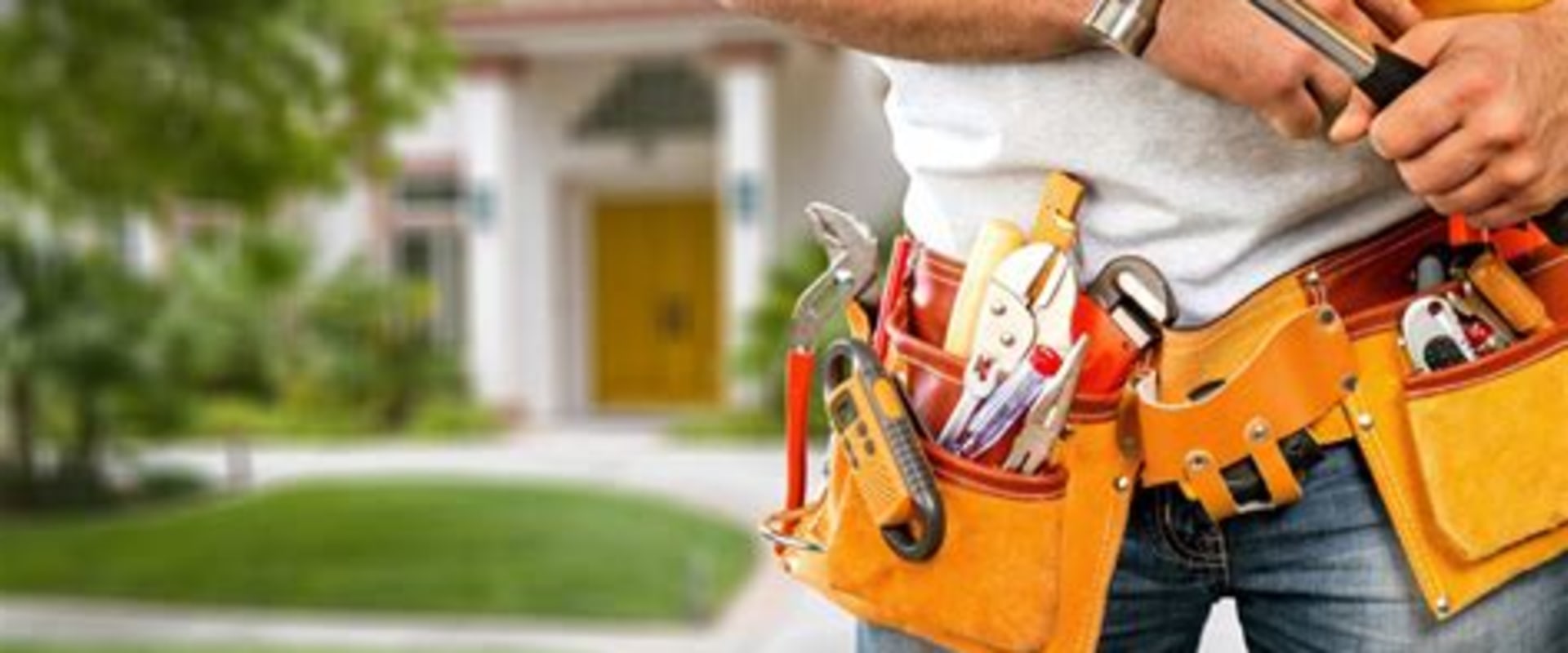
Maintaining a home is not merely a chore; it is an essential aspect of property care that ensures the longevity and safety of your living environment. Regular home maintenance can prevent minor issues from escalating into costly repairs, safeguarding your investment and enhancing your quality of life. From the roof over your head to the plumbing that runs beneath your floors, every component of your home requires attention and care. Understanding the importance of home upkeep is crucial for homeowners. Neglecting routine maintenance tasks can lead to significant problems, such as water damage from a leaky roof or electrical failures that pose safety hazards.
By dedicating time to regular inspections and maintenance, you not only protect your property but also create a comfortable and efficient living space for you and your family. This article will delve into various maintenance tasks specific to different areas of the home, including roofs, plumbing systems, and electrical installations. Each section will provide practical tips and insights to help you stay on top of your home’s needs, ensuring that it remains a safe and welcoming haven for years to come.
Roof Maintenance Tasks
Maintaining your roof is crucial for the longevity of your home and can save you from expensive repairs down the line. Regular roof inspections should be a priority, ideally conducted at least twice a year, and after severe weather events. During these inspections, look for signs of wear and tear such as missing shingles, rusted flashing, or any sagging areas that may indicate structural issues.Another essential task is to keep your gutters clean.Clogged gutters can lead to water pooling on your roof, which can cause leaks and damage over time. It’s advisable to clear out leaves and debris from your gutters at least twice a year, particularly in the autumn when falling leaves can accumulate quickly.In addition to cleaning gutters, check for any blockages in downspouts to ensure proper drainage. If you notice water spilling over the sides of your gutters during a rainstorm, it’s a sign that they need attention.
Identifying Potential Issues
- Check for Moss and Algae: These can trap moisture against your roof, leading to decay. If you find any growth, consider using a roof cleaner or hiring a professional to remove it safely.
- Inspect Flashing: The metal strips that seal joints and prevent leaks should be intact.
Look for rust or gaps that could allow water ingress.
- Look for Cracked or Damaged Shingles: Replace any damaged shingles promptly to prevent leaks from developing.
Plumbing Maintenance Tasks
Maintaining your plumbing system is crucial for ensuring a smooth and efficient operation within your home. Regular plumbing maintenance can help prevent costly repairs and extend the lifespan of your plumbing fixtures. Here are some essential tasks to consider:- Check for Leaks: Regularly inspect pipes, faucets, and toilets for any signs of leaks.
Even a small drip can lead to significant water waste and increased bills.
- Flush Water Heaters: To maintain efficiency, it’s advisable to flush your water heater at least once a year. This process removes sediment buildup that can affect performance and longevity.
- Maintain Drains: Keep drains clear by using strainers to catch debris and regularly flushing them with hot water. Avoid pouring grease or food scraps down the sink.
- Inspect Sump Pumps: If you have a sump pump, check it periodically to ensure it’s functioning correctly, especially before the rainy season.
- Test Water Pressure: High water pressure can strain your plumbing system. Use a pressure gauge to check levels and adjust if necessary.
During these inspections, a plumber will assess the condition of your pipes, fixtures, and appliances, providing recommendations for any necessary repairs or upgrades.If you do encounter problems, such as slow drains or persistent leaks, addressing them promptly is essential. Delaying plumbing repairs can lead to more extensive damage and higher costs in the long run. By staying proactive with your plumbing maintenance, you can ensure a reliable and efficient system that supports your home’s needs.
Electrical System Maintenance Tasks
Maintaining the electrical system in your home is crucial for ensuring safety and efficiency. Regular checks and maintenance can prevent potential hazards and costly repairs.Here are some essential tasks to consider:
- Check Circuit Breakers: Regularly inspect your circuit breakers for any signs of wear or tripping. If a breaker frequently trips, it may indicate an overloaded circuit or a fault in the wiring.
- Test Smoke Detectors: Ensure that smoke detectors are functioning correctly by testing them monthly. Replace batteries at least once a year and consider replacing the entire unit every ten years.
- Inspect Wiring: Look for any exposed or frayed wires, especially in areas prone to moisture, such as kitchens and bathrooms. Damaged wiring can lead to electrical fires.
- Check Outlets: Examine all electrical outlets for signs of damage or overheating.
If an outlet feels warm to the touch or shows discoloration, it may need to be replaced.
- Ground Fault Circuit Interrupters (GFCIs): Test GFCI outlets monthly to ensure they are working properly. These outlets are essential in preventing electrical shocks in wet areas.
Electrical repairs
should always be carried out by a licensed professional to ensure compliance with safety standards and regulations. By staying proactive with your home’s electrical maintenance, you can enhance safety, improve energy efficiency, and extend the lifespan of your electrical systems.HVAC System Maintenance Tasks
Maintaining your HVAC system is crucial for ensuring optimal performance and longevity.Regular maintenance not only enhances the efficiency of your heating and cooling systems but also improves indoor air quality. Here are some essential tasks to consider:
- Change Air Filters: One of the simplest yet most effective maintenance tasks is to regularly change or clean the air filters. Depending on usage, filters should be replaced every 1 to 3 months. Clogged filters can restrict airflow, making your system work harder and increasing energy costs.
- Schedule Professional Inspections: It’s advisable to have a professional technician inspect your HVAC system at least once a year.
These inspections can identify potential issues before they become major problems, ensuring that your system operates efficiently.
- Clean Ducts and Vents: Over time, dust and debris can accumulate in your ducts and vents, which can affect air quality and system efficiency. Consider having your ducts cleaned every few years to maintain a healthy environment.
- Check Thermostat Settings: Ensure that your thermostat is functioning correctly and set to the appropriate temperatures for both heating and cooling seasons. Programmable thermostats can help optimise energy use by adjusting temperatures based on your schedule.
- Inspect Insulation: Proper insulation around ducts and in attics can significantly impact the efficiency of your HVAC system. Check for any gaps or wear that may need addressing to prevent energy loss.
Regular upkeep not only saves money on energy bills but also contributes to a healthier living environment.
Exterior Maintenance Tasks
Maintaining the exterior of your home is crucial not only for aesthetic appeal but also for preserving its structural integrity. Regular exterior home maintenance tasks can prevent costly repairs and enhance your property’s value.Landscaping Care
- Mowing the Lawn: Regularly mowing your lawn keeps it healthy and looking neat. Aim to mow at least once a week during the growing season.
- Trimming Hedges and Bushes: Overgrown shrubs can detract from your home’s appearance. Trim them back at least twice a year to maintain shape and health.
- Weeding: Weeds can quickly take over your garden beds.
Regular weeding helps keep your plants healthy and your garden looking tidy.
Painting Touch-Ups
- Exterior Walls: Inspect your home’s exterior paint for chips or peeling. Touching up these areas not only improves appearance but also protects the underlying materials from weather damage.
- Doors and Windows: Pay special attention to doors and window frames, as they are often exposed to the elements. A fresh coat of paint can prevent rot and decay.
Maintaining Driveways and Walkways
- Cleaning: Regularly sweep and wash driveways and walkways to remove dirt, debris, and stains. This not only enhances curb appeal but also prevents slippery surfaces.
- Repairing Cracks: Fill in any cracks or holes in concrete or asphalt surfaces promptly to prevent further damage.
This simple task can extend the life of your driveway or walkway significantly.
Interior Maintenance Tasks
Maintaining the interior of your home is crucial for ensuring a healthy and comfortable living environment. Regular upkeep not only enhances the aesthetic appeal but also prevents potential issues that could lead to costly repairs. Here are some essential interior maintenance tasks to consider:- Regular Cleaning Schedules: Establishing a consistent cleaning routine is vital. Aim to clean high-traffic areas weekly, while less frequented spaces can be tackled monthly.
This includes vacuuming carpets, dusting surfaces, and mopping floors.
- Checking for Mould or Dampness: Regularly inspect areas prone to moisture, such as bathrooms and kitchens. Look for signs of mould or dampness, which can lead to health issues. If detected, address the source of moisture immediately and clean the affected areas with appropriate mould removal products.
- Maintaining Appliances: Ensure that all household appliances are functioning efficiently. This includes cleaning filters in air conditioning units, descaling kettles, and checking the seals on refrigerators.
Regular maintenance can extend the lifespan of these appliances and improve energy efficiency.
- Inspecting Smoke Alarms: Safety should always be a priority. Test smoke alarms monthly and replace batteries at least once a year. Consider replacing the entire unit every ten years to ensure optimal performance.
- Checking for Drafts: Inspect windows and doors for drafts that can lead to energy loss. Sealing gaps with weather stripping or caulk can improve insulation and reduce heating costs.
Remember, proactive maintenance is key to preserving the integrity of your home.
Seasonal Maintenance Checklist
Maintaining your home is essential for ensuring its longevity and functionality. A seasonal maintenance checklist can help you stay organised and proactive in caring for your property. Below is a comprehensive guide to seasonal tasks that should be performed throughout the year.Spring Maintenance Tasks
- Inspect the Roof: Check for any missing or damaged shingles and clear debris from gutters.
- Clean Windows: Wash windows inside and out to let in more natural light.
- Service HVAC Systems: Replace filters and schedule a professional inspection to prepare for warmer months.
- Check Outdoor Spaces: Inspect patios, decks, and fences for wear and tear, making necessary repairs.
Summer Maintenance Tasks
- Inspect Plumbing: Look for leaks in pipes and check water pressure; consider flushing the water heater.
- Lawn Care: Mow regularly, fertilise, and ensure irrigation systems are functioning properly.
- Pest Control: Check for signs of pests and take preventive measures to protect your home.
Autumn Maintenance Tasks
- Prepare Heating Systems: Have your boiler or furnace serviced before the cold weather sets in.
- Clean Gutters: Remove leaves and debris to prevent blockages that can lead to water damage.
- Seal Windows and Doors: Check for drafts and apply weather stripping or caulk as needed.
winter Maintenance Tasks
- Inspect Insulation: Ensure that your attic and walls are properly insulated to save on heating costs.
- Check Smoke Detectors: Test alarms and replace batteries to ensure safety during the winter months.
- Monitor Ice Dams: Keep an eye on roof edges for ice buildup that can cause leaks inside your home.
FAQs About Home Maintenance Tasks
Home maintenance is a crucial aspect of homeownership, and many homeowners have questions about the best practices for keeping their properties in top condition.Below are some frequently asked questions regarding home maintenance tasks.
What are the most important maintenance tasks for a home?
Key maintenance tasks include:- Roof inspections: Check for missing shingles or signs of wear.
- Gutter cleaning: Ensure gutters are free from debris to prevent water damage.
- HVAC servicing: Regularly change filters and schedule professional inspections.
- Plumbing checks: Look for leaks and ensure all fixtures are functioning properly.
- Electrical system evaluations: Test smoke detectors and check for frayed wires.
How often should I perform maintenance tasks?
The frequency of maintenance tasks can vary, but here are some general guidelines:- Roof inspections: At least once a year, or after severe weather.
- Gutter cleaning: Twice a year, ideally in spring and autumn.
- HVAC servicing: Annually, before the heating or cooling season begins.
- Plumbing checks: Every six months to catch potential issues early.
- Electrical system evaluations: Every few years, or when you notice any issues.
What should I do if I find a problem during maintenance?
If you discover a problem during your maintenance checks:- Assess the severity : Determine if it’s something you can fix yourself or if it requires professional help.
- Document the issue : Take photos and notes to keep track of the problem and any repairs made.
- Schedule repairs promptly : Addressing issues early can prevent more extensive damage and costly repairs later on.
Conclusion: The Importance of Regular Home Maintenance
In conclusion, regular home maintenance is not merely a chore; it is a vital practice that safeguards your property and enhances its longevity. By addressing the various aspects of your home, from the roof to plumbing and electrical systems, you can prevent minor issues from escalating into costly repairs.Throughout this article, we have explored essential maintenance tasks that should be performed regularly:- Roof Maintenance: Regular inspections and timely repairs can prevent leaks and structural damage.
- Plumbing Checks: Routine checks for leaks and blockages can save water and avoid extensive damage.
- Electrical System Upkeep: Ensuring that wiring and outlets are in good condition is crucial for safety.
Establishing a maintenance schedule tailored to your home’s specific needs will help you stay ahead of potential issues, ensuring that your home remains a safe and comfortable haven for years to come.