When embarking on the journey of building a home, understanding the various home construction methods is crucial. Each technique offers unique advantages and challenges, influencing not only the construction process but also the long-term maintenance and sustainability of the property. As we delve into the world of home building techniques, it becomes evident that the choice of method can significantly impact factors such as energy efficiency, durability, and overall aesthetic appeal, much like how Exploring the Rise of Gender-Neutral Beauty and its principles can influence modern skincare brands. From traditional brick-and-mortar approaches to modern prefabricated systems, the landscape of home construction is diverse and ever-evolving. Homeowners today are increasingly seeking methods that align with their values, whether that be sustainability, cost-effectiveness, or speed of construction.
Understanding these different types of home construction is essential for making informed decisions that will affect not just the initial build but also the ongoing maintenance and functionality of the home. This exploration will guide you through the various methods available, highlighting their characteristics and suitability for different types of projects. Whether you are a first-time builder or looking to expand your knowledge in home construction and maintenance, this comprehensive overview will equip you with the insights needed to navigate your options effectively.
Traditional Construction Methods
When discussing traditional home construction, two prominent methods stand out: brick and mortar and timber framing. These techniques have been utilised for centuries, each offering unique benefits and aesthetic qualities that continue to appeal to homeowners today.Brick and Mortar
The brick and mortar method is one of the oldest forms of construction, dating back to ancient civilisations. This technique involves the use of fired clay bricks, which are bonded together with mortar.The advantages of brick construction include:
- Durability: Brick structures are known for their longevity and resistance to weathering, pests, and fire.
- Low Maintenance: Once built, brick homes require minimal upkeep compared to other materials.
- Energy Efficiency: Brick has excellent thermal mass properties, helping to regulate indoor temperatures.
Timber Framing
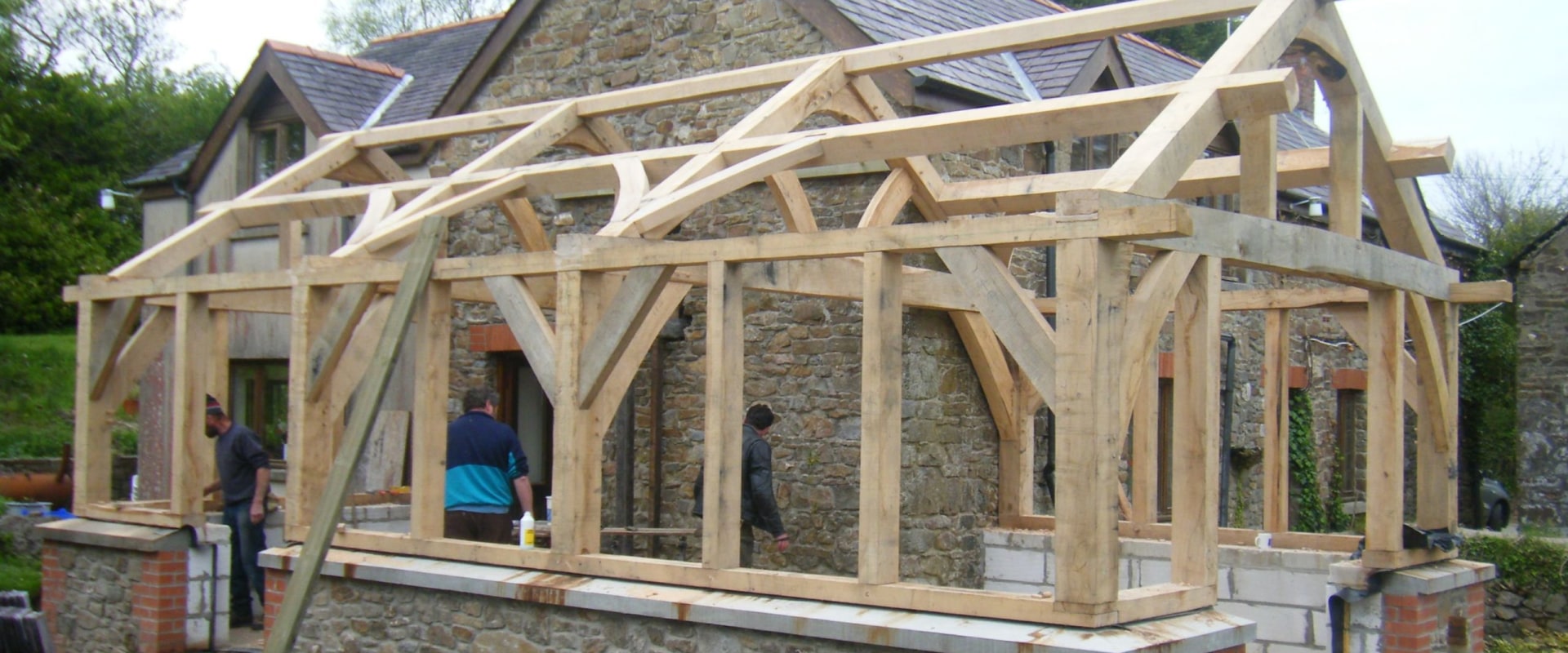
Timber framing, on the other hand, is a construction method that uses heavy timber beams to create a structural framework. This technique has its roots in medieval architecture and is celebrated for its natural beauty and strength. Key benefits of timber framing include:- Sustainability: Timber is a renewable resource, making it an environmentally friendly choice when sourced responsibly.
- Aesthetic Appeal: Exposed wooden beams add warmth and character to interiors, creating a rustic charm.
- Flexibility: Timber framing allows for open floor plans and large spaces without the need for extensive load-bearing walls.
Modern Construction Techniques
In recent years, the construction industry has seen a significant shift towards modern construction techniques, which offer numerous advantages over traditional methods.Among these, steel frame construction and concrete homes have emerged as popular choices for builders and homeowners alike.
Steel Frame Construction
Steel frame construction involves the use of steel columns and beams to create a sturdy framework for buildings. This method is particularly advantageous due to its strength and durability. Steel structures can withstand extreme weather conditions, making them ideal for areas prone to natural disasters.- Durability: Steel is resistant to rot, pests, and fire, ensuring a longer lifespan for the building.
- Cost-Effectiveness: Although the initial investment may be higher, the long-term savings on maintenance and repairs can be substantial.
- Design Flexibility: Steel allows for larger open spaces without the need for supporting walls, enabling innovative architectural designs.
Concrete Homes
Concrete homes, constructed using reinforced concrete, are another modern technique gaining traction. This method offers exceptional thermal mass, which helps regulate indoor temperatures and can lead to energy savings.- Energy Efficiency: The thermal properties of concrete help maintain a stable indoor climate, reducing heating and cooling costs.
- Sustainability: Concrete can be made from recycled materials, making it an environmentally friendly option.
- Low Maintenance: Concrete is highly durable and requires minimal upkeep compared to traditional wood structures.
By prioritising durability, cost-effectiveness, and design flexibility, these methods not only enhance the quality of living spaces but also contribute to sustainable building practices in the realm of home construction and maintenance.
Sustainable Building Practices
In recent years, the focus on sustainable home construction has gained significant traction as homeowners and builders alike recognise the importance of reducing their environmental footprint. Sustainable building practices not only contribute to a healthier planet but also offer long-term economic benefits through energy efficiency and reduced maintenance costs.One of the core principles of sustainable construction is the use of eco-friendly building methods. These methods often incorporate renewable resources and materials that have a lower impact on the environment. For instance, using reclaimed wood, recycled steel, and bamboo can significantly reduce the demand for new materials, thereby conserving natural resources.Energy-Efficient Designs
Another critical aspect of sustainable building is the implementation of energy-efficient designs.This includes optimising the orientation of a home to maximise natural light and heat from the sun, which can reduce reliance on artificial heating and lighting. Additionally, incorporating high-quality insulation and energy-efficient windows can further enhance a home's thermal performance.
- Passive solar design: Utilises sunlight for heating and cooling without mechanical systems.
- Green roofs: These not only provide insulation but also help manage stormwater runoff.
- Rainwater harvesting: Collecting rainwater for irrigation or even household use can significantly reduce water consumption.
Modular and Prefabricated Homes
In recent years, modular and prefabricated homes have gained significant traction in the realm of home construction and maintenance.These innovative building methods involve the off-site fabrication of home components, which are then transported to the construction site for assembly. This approach not only streamlines the building process but also offers several advantages over traditional construction methods.
Modular homes
are constructed in sections, or modules, in a controlled factory environment. Each module is built to meet local building codes and standards, ensuring quality and safety. Once completed, these modules are delivered to the site and assembled, often resulting in a fully functional home in a fraction of the time it would take using conventional methods.Some key benefits of modular and prefabricated construction include:- Faster Construction Times: With components built simultaneously in a factory while site preparation occurs, overall project timelines can be significantly reduced.
- Reduced Waste: Factory settings allow for better material management, minimising waste compared to traditional on-site construction.
- Cost Efficiency: The streamlined process often leads to lower labour costs and reduced material expenses, making it an attractive option for budget-conscious homeowners.
- Customisation Options: Many manufacturers offer a range of designs and finishes, allowing homeowners to personalise their space without sacrificing quality.
By reducing waste and optimising resource use during construction, these methods align with growing demands for eco-friendly building practices. As the housing market continues to evolve, modular and prefabricated homes stand out as a viable solution for those seeking efficiency without compromising on quality or style.
Innovative Construction Technologies
In recent years, the construction industry has witnessed a surge in innovative technologies that are transforming the way homes are built and maintained. Among these advancements, 3D printing stands out as a revolutionary method that allows for the rapid production of building components. This technology not only reduces waste but also enables the creation of complex designs that were previously difficult to achieve with traditional methods.3D printing in construction involves using large-scale printers to layer materials such as concrete, which can significantly cut down on both time and labour costs.As this technology continues to evolve, it holds the potential to make housing more affordable and accessible, particularly in areas facing housing shortages.
Smart Homes: The Future of Living
Another significant trend in home construction is the integration of smart home technologies. These systems allow homeowners to control various aspects of their living environment through connected devices. From smart thermostats that optimise energy usage to advanced security systems that provide real-time monitoring, the incorporation of technology into home design enhances both convenience and safety.Smart homes not only improve the quality of life for residents but also contribute to energy efficiency, which is increasingly important in today’s environmentally conscious society. As more builders adopt these technologies, we can expect to see a rise in demand for homes equipped with smart features.Advanced Building Technologies
The use of advanced building technologies, such as modular construction and prefabrication, is also gaining traction.These methods involve constructing sections of a home off-site before transporting them to the final location for assembly. This approach can lead to faster build times and reduced disruption on-site.Moreover, these technologies often result in higher quality control since components are built in a controlled environment. As builders continue to embrace these innovative methods, we can anticipate a shift towards more sustainable and efficient home construction practices.In conclusion, the integration of 3D printing, smart home technologies, and advanced building techniques is paving the way for a new era in home construction. These innovations not only promise to enhance the efficiency and sustainability of building practices but also aim to create homes that are more adaptable to the needs of modern living.
Comparative Analysis of Construction Methods
When considering home construction methods, it is essential to evaluate the various techniques available, each with its own set of advantages and disadvantages.This comparative analysis will help homeowners make informed decisions based on their specific needs and circumstances.
Traditional Brick and Mortar
This method has been a staple in home construction for centuries. It involves using bricks, blocks, or stones bonded together with mortar.- Advantages:
- Durability: Brick homes can last for decades with minimal maintenance.
- Energy Efficiency: They provide excellent insulation, reducing heating and cooling costs.
- Fire Resistance: Brick is non-combustible, offering enhanced safety.
- Disadvantages:
- Cost: The initial investment can be higher compared to other methods.
- Time-Consuming: Construction can take longer due to the curing process of mortar.
Timber Frame Construction
This method uses wooden frames to support the structure, often allowing for more flexible designs.- Advantages:
- Speed: Timber frame homes can be constructed quickly, reducing labour costs.
- Eco-Friendly: Wood is a renewable resource, making this method more sustainable.
- Disadvantages:
- Pest Vulnerability: Timber is susceptible to termites and other pests if not treated properly.
- Fire Risk: Wood is flammable, which may raise insurance costs.
Steel Frame Construction
This modern technique utilises steel beams and columns to create a robust framework for buildings.- Advantages:
- Strength: Steel frames can support larger structures without the need for load-bearing walls.
- Longevity: Steel is resistant to rot and pests, ensuring a long lifespan.
- Disadvantages:
- Cost: Steel can be more expensive than timber or brick options.
- Thermal Conductivity: Steel conducts heat, which may require additional insulation measures.
Frequently Asked Questions about Home Construction Methods
When considering home construction, many individuals have questions about the various methods available and how they impact maintenance. Here are some frequently asked questions that can help clarify these topics.What are the most common home construction methods?
The most prevalent methods include:- Wood Frame Construction: This method uses timber as the primary structural element, offering flexibility and ease of modification.
- Brick and Block Construction: Known for its durability, this method involves using bricks or concrete blocks, providing excellent insulation and fire resistance.
- Steel Frame Construction: Often used in commercial buildings, steel frames are increasingly popular in residential projects due to their strength and longevity.
- Modular Construction: This innovative approach involves prefabricating sections of a home off-site, which are then assembled on location, significantly reducing construction time.
How do construction methods affect home maintenance?
The choice of construction method can significantly influence long-term maintenance needs.For instance:
- Wood Frame Homes: While they offer aesthetic appeal, they may require regular treatments to prevent rot and pest infestations.
- Brick Homes: These typically require less maintenance but may need occasional repointing to maintain structural integrity.
- Steel Structures: They are resistant to many common issues but can be susceptible to rust if not properly treated.
What should I consider when choosing a construction method?
When selecting a construction method, consider factors such as:- Your budget and financing options.
- The local climate and environmental conditions.
- The availability of materials and skilled labour in your area.
- Your long-term maintenance preferences and lifestyle needs.
Conclusion: Choosing the Right Construction Method for Your Home
In conclusion, selecting the right construction method for your home is a critical decision that can significantly impact both the durability and efficiency of your living space. Each construction method discussed, from traditional brick-and-mortar to modern modular techniques, offers unique advantages and challenges that cater to different needs and preferences.When considering your options, it is essential to evaluate factors such as:- Budget: Different methods come with varying costs, not only in materials but also in labour and time.
- Climate: The local weather conditions can influence the choice of materials and construction techniques.
- Design Flexibility: Some methods allow for more creative freedom than others, which can be crucial for personalisation.
- Sustainability: With increasing awareness of environmental issues, opting for eco-friendly materials and methods can be a significant consideration.
- Maintenance Requirements: Understanding the long-term upkeep associated with each construction type is vital for future planning.