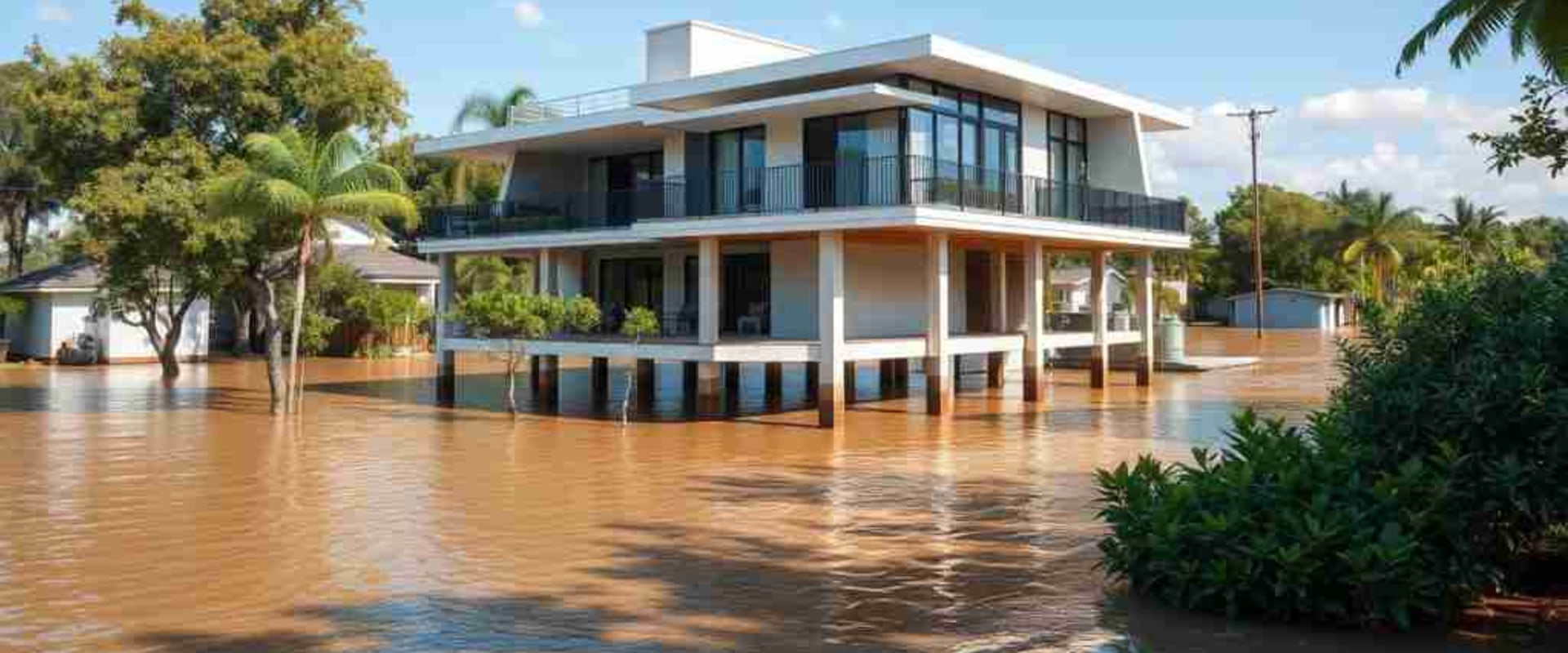
In an era where climate change is increasingly influencing weather patterns, understanding the impact of natural disasters on home construction has never been more critical. From devastating floods and hurricanes to wildfires and earthquakes, these events can wreak havoc on residential properties, leading to significant financial and emotional tolls for homeowners. As such, it is essential to consider how these disasters can affect not only the structural integrity of homes but also the safety and well-being of their inhabitants. When planning for home construction in areas prone to such calamities, builders and homeowners must adopt a proactive approach. This involves assessing the specific risks associated with their geographical location and implementing tailored building strategies that enhance resilience.
For instance, homes in flood-prone regions may require elevated foundations and waterproof materials, while those in earthquake zones should incorporate flexible building techniques to withstand seismic activity. Moreover, the implications of natural disasters extend beyond immediate physical damage; they can also influence insurance costs, property values, and long-term maintenance needs. By understanding these factors, prospective homeowners can make informed decisions that not only protect their investments but also contribute to community resilience. Ultimately, recognising the interplay between natural disasters and home construction is vital for creating safe, sustainable living environments that can endure the challenges posed by our changing climate.
Assessing Local Risks and Regulations
When embarking on home construction in areas susceptible to natural disasters, the first step is to thoroughly assess the local risks. Understanding the specific types of natural disasters that may affect your region—such as floods, earthquakes, hurricanes, or wildfires—is crucial.This knowledge not only informs your design choices but also helps in selecting appropriate materials and construction techniques.To begin with, consult local government resources or disaster management agencies to obtain detailed information about historical data on natural disasters in your area. This can include flood zone maps, seismic activity reports, and wind zone classifications. Engaging with local communities can also provide insights into past events and their impacts.
Building Regulations
- Familiarise yourself with local building codes and regulations that are specifically designed to mitigate risks associated with natural disasters. These regulations often dictate the minimum standards for construction practices, materials, and safety measures.
- For instance, in flood-prone areas, regulations may require homes to be elevated above base flood levels.
In seismic zones, reinforced foundations and flexible building materials may be mandated.
- Consulting with a qualified architect or builder who has experience in disaster-prone areas can ensure that your home meets all necessary codes while also being resilient against potential hazards.
Disaster Preparedness
In addition to adhering to building regulations, consider incorporating disaster preparedness features into your home design. This could include:
- Installing storm shutters or impact-resistant windows to protect against high winds and flying debris.
- Creating a defensible space around your property if you are in a wildfire zone, which may involve landscaping choices that reduce fire risk.
- Designing an emergency escape route and ensuring that essential supplies are easily accessible during a disaster.
Choosing the Right Location for Your Home
When it comes to home construction, the selection of the right location is paramount, especially in areas susceptible to natural disasters. Understanding the environmental risks associated with a potential site can significantly influence the safety and longevity of your home.One of the first considerations should be the proximity to flood zones.Areas that are prone to flooding can pose serious risks, not only during heavy rainfall but also due to rising sea levels. It is essential to consult local flood maps and consider elevation when selecting a site. Building on higher ground can mitigate some of these risks, but it is also wise to implement proper drainage systems and flood-resistant materials.Another critical factor is the likelihood of earthquakes. If you are considering construction in an earthquake zone, it is vital to choose a location that adheres to local building codes designed for seismic activity.
This includes using flexible materials and ensuring that the foundation is robust enough to withstand tremors. Additionally, researching the geological stability of the area can provide insights into potential risks.Beyond floods and earthquakes, other environmental hazards should also be taken into account:
- Landslides: If your chosen site is on a slope, assess the risk of landslides, especially after heavy rains.
- Wildfires: In regions prone to wildfires, consider the distance from dense vegetation and implement fire-resistant landscaping.
- Tornadoes: If you are in a tornado-prone area, look for locations that offer natural windbreaks or consider building a safe room.
Designing for Resilience: Architectural Considerations
When considering home construction in areas susceptible to natural disasters, it is crucial to incorporate resilient design principles that enhance the safety and longevity of the structure. Architectural features play a significant role in mitigating the impact of extreme weather events.- Elevated Foundations: One of the most effective strategies for flood-prone areas is to build homes on elevated foundations.
This not only protects the living space from rising waters but also reduces the risk of water damage to essential utilities.
- Reinforced Structures: Using materials that can withstand high winds and seismic activity is vital. Reinforced concrete and steel framing can provide the necessary strength to resist structural failure during disasters such as hurricanes or earthquakes.
- Wind-Resistant Designs: Homes designed with aerodynamic shapes can significantly reduce wind pressure on surfaces. Features such as hip roofs, which are less likely to be lifted by strong winds, and impact-resistant windows can further enhance a home’s resilience.
- Flexible Building Materials: Incorporating flexible materials that can absorb shock and movement is essential in earthquake-prone regions. This includes using wood framing or specially designed connectors that allow for slight movements without compromising structural integrity.
- Landscaping Considerations: The surrounding landscape should also be considered in the design process.
Strategic placement of trees and vegetation can act as windbreaks, while proper drainage systems can help manage stormwater runoff effectively.
Material Selection: Building with Durability in Mind
When it comes to home construction in areas susceptible to natural disasters, the choice of building materials is paramount. Selecting materials that offer durability and resilience can significantly enhance the safety and longevity of a home.Hurricane-Proof Windows
In regions prone to hurricanes, installing hurricane-proof windows is essential. These windows are designed to withstand high winds and flying debris, reducing the risk of breakage during severe storms.Look for windows that meet the Miami-Dade County standards, which are among the most stringent in the industry.
Fire-Resistant Siding
For homes located in wildfire-prone areas, opting for fire-resistant siding can be a lifesaver. Materials such as fiber cement, stucco, and brick provide excellent protection against flames. Additionally, using non-combustible materials for roofing can further enhance a home's fire resistance.Flood-Resistant Foundations
In flood-prone regions, constructing homes on elevated foundations can mitigate water damage. Using flood-resistant materials, such as concrete or treated wood, can also help prevent structural damage during flooding events.Earthquake-Resistant Structures
In seismic zones, it is crucial to incorporate earthquake-resistant construction techniques.This includes using flexible materials that can absorb shock and reinforcing walls with steel or other strong materials to prevent collapse.Ultimately, investing in durable materials not only enhances the safety of your home but also contributes to long-term savings on maintenance and repairs. By prioritising disaster-resistant construction, homeowners can ensure their properties remain secure against the unpredictable forces of nature.
Incorporating Technology for Enhanced Safety
Incorporating technology into home construction is essential for enhancing safety, particularly in areas prone to natural disasters. By integrating smart home technology, homeowners can significantly improve their disaster preparedness and response capabilities.Smart Home Systems
- Environmental Monitoring: Smart sensors can monitor environmental conditions such as temperature, humidity, and air quality. These systems can alert homeowners to potential hazards like flooding or fires, allowing for timely action.
- Automated Alerts: Many smart home systems are equipped with features that send alerts directly to homeowners' smartphones or other devices.
This ensures that even when away from home, individuals remain informed about any emergencies.
- Remote Control: Homeowners can remotely control various systems, such as shutting off gas lines or activating emergency lighting, which can be crucial during a disaster.
Safety Technology
- Surveillance Systems: Installing security cameras and motion detectors can help monitor the property during a disaster, providing peace of mind and aiding in recovery efforts.
- Fire and Carbon Monoxide Detectors: Advanced detectors that connect to smart home systems can provide real-time alerts and even contact emergency services if necessary.
Disaster Preparedness Systems
- Backup Power Solutions: Integrating solar panels with battery storage ensures that homes remain powered during outages caused by natural disasters.
- Emergency Communication Systems: Establishing a reliable communication system that works independently of traditional networks can be vital for coordinating with family and emergency services during a crisis.
Insurance Considerations for Disaster-Prone Areas
When constructing a home in areas susceptible to natural disasters, insurance considerations play a crucial role in safeguarding your investment. Obtaining the right type of insurance not only protects your property but also provides peace of mind in the face of potential calamities.Home insurance
is a fundamental aspect of risk management for homeowners. However, standard home insurance policies may not cover specific natural disasters such as floods, earthquakes, or hurricanes.Therefore, it is essential to review your policy carefully and consider additional coverage options tailored to your location's unique risks.
- Flood Insurance: In many regions, flood damage is not included in standard home insurance policies. Homeowners in flood-prone areas should consider purchasing a separate flood insurance policy to protect against water damage.
- Earthquake Insurance: Similar to flood coverage, earthquake insurance is often an add-on that can be crucial for homes located in seismically active zones.
- Windstorm Insurance: For those living in hurricane-prone areas, windstorm insurance can help cover damages caused by high winds and flying debris.
They can help you navigate the complexities of disaster insurance and ensure that you are adequately protected against unforeseen events.In conclusion, prioritising insurance considerations during the home construction process in disaster-prone areas is essential for effective risk management. By securing comprehensive coverage tailored to your location's hazards, you can mitigate financial risks and protect your home and family from the impacts of natural disasters.
Maintenance Strategies for Long-Term Resilience
To ensure that homes remain resilient against the impacts of natural disasters, homeowners must adopt effective maintenance strategies that focus on both immediate upkeep and long-term durability. Here are some essential considerations:- Regular Inspections: Conduct thorough inspections of your property at least twice a year. Pay close attention to the roof, foundation, and drainage systems.
Early detection of issues can prevent more significant damage during extreme weather events.
- Water Management: Ensure that gutters and downspouts are clear of debris to facilitate proper water flow. Consider installing rain gardens or permeable pavements to manage stormwater runoff effectively.
- Landscaping Choices: Select native plants that are resilient to local climate conditions. Avoid planting trees too close to the house, as falling branches can cause severe damage during storms.
- Structural Reinforcements: Invest in retrofitting your home with materials designed to withstand specific natural disasters common in your area, such as hurricane ties for wind resistance or flood barriers for flood-prone regions.
- Emergency Preparedness: Create an emergency plan that includes evacuation routes and a communication strategy. Regularly update your emergency kit with essentials like food, water, and first-aid supplies.
This includes:
- Pest Control: Regularly check for signs of pest infestations, which can weaken structural components over time.
- Paint and Sealants: Reapply protective coatings on exterior surfaces to prevent moisture intrusion and decay.
- HVAC Maintenance: Schedule annual servicing of heating and cooling systems to ensure they function efficiently during extreme weather conditions.
FAQs About Home Construction in Disaster-Prone Areas
When considering home construction in areas prone to natural disasters, several frequently asked questions arise. Here are some key queries and their answers:- What types of natural disasters should I prepare for?
The type of natural disasters you should prepare for depends on your geographical location. Common threats include earthquakes, floods, hurricanes, tornadoes, and wildfires. Understanding the specific risks in your area is crucial for effective planning. - How can I ensure my home is built to withstand natural disasters?
Engaging with a qualified architect or builder who has experience in disaster-resistant construction is essential.They can recommend materials and design features that enhance your home’s resilience, such as reinforced foundations, impact-resistant windows, and elevated structures in flood-prone areas.
- Are there specific building codes for disaster-prone areas?
Yes, many regions have specific building codes designed to mitigate risks associated with natural disasters. It’s important to check local regulations and ensure your construction plans comply with these codes to enhance safety and reduce potential damage. - What maintenance practices should I follow post-construction?
Regular maintenance is vital for ensuring your home remains resilient. This includes inspecting roofs for damage after storms, clearing gutters to prevent water accumulation, and checking the integrity of structural elements periodically. - How can I prepare my home for emergencies?
In addition to robust construction, having an emergency plan is crucial. This includes creating an evacuation route, assembling an emergency kit with essential supplies, and ensuring all family members are aware of safety protocols.
Conclusion: Building a Safer Future Through Thoughtful Construction Practices
In conclusion, the journey towards home construction in areas susceptible to natural disasters is one that demands meticulous planning and a proactive approach.As we have explored, the implications of neglecting these considerations can be catastrophic, not only in terms of financial loss but also in the safety and well-being of residents. To build a safer future, it is essential to integrate disaster-resistant design principles into the construction process. This includes selecting appropriate materials that can withstand extreme weather conditions, such as hurricanes or earthquakes. For instance, using reinforced concrete or steel framing can significantly enhance a structure's resilience. Moreover, understanding the local geography and climate is crucial. Homeowners should engage with professionals who are knowledgeable about regional risks and can provide insights into effective mitigation strategies.
This might involve elevating homes in flood-prone areas or ensuring proper drainage systems are in place.
- Regular Maintenance: Ongoing maintenance is vital to ensure that homes remain safe over time. Regular inspections can identify potential vulnerabilities before they become serious issues.
- Community Planning: Collaborating with local authorities on community planning can lead to better infrastructure that supports disaster resilience, such as improved road access for emergency services.
- Education and Awareness: Educating homeowners about disaster preparedness and response can empower them to take action before, during, and after a disaster strikes.