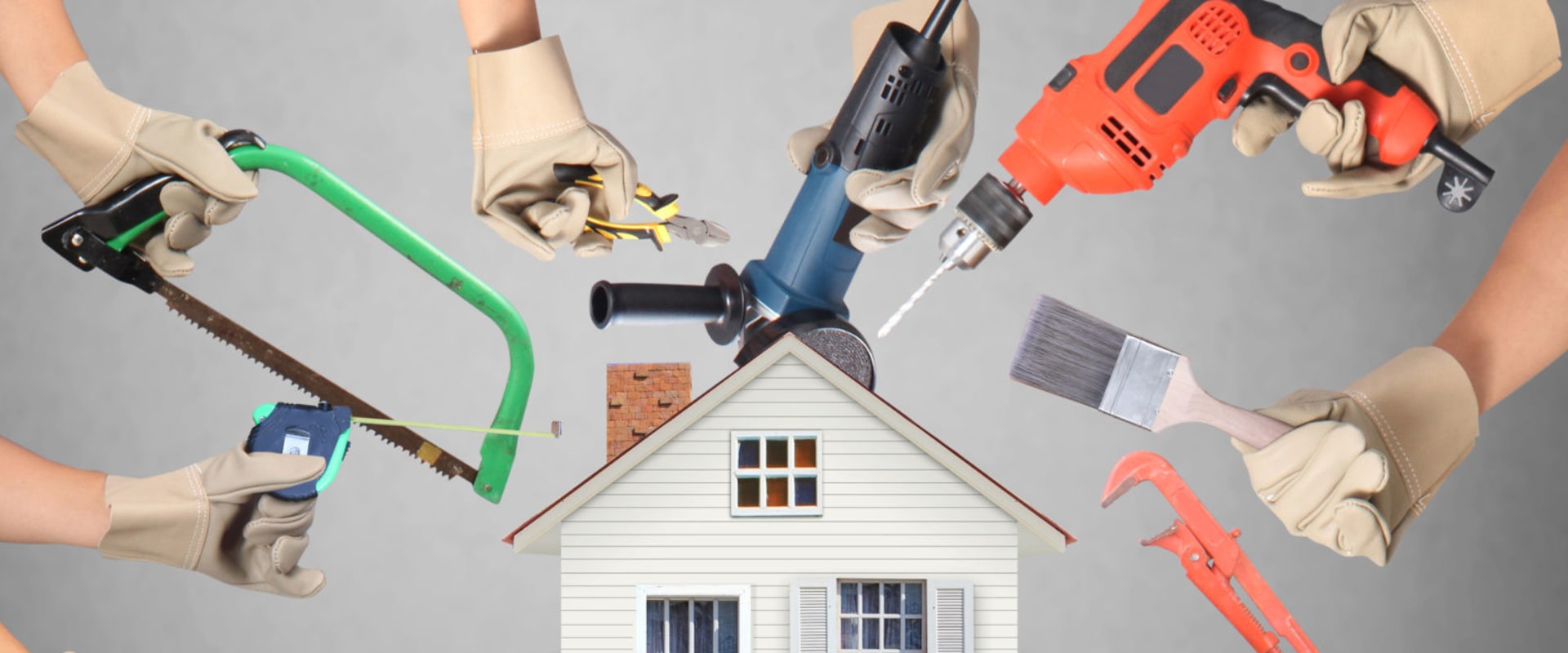
When embarking on the journey of home construction, many homeowners focus primarily on the aesthetic and functional aspects of their new dwelling. However, an equally crucial element that often gets overlooked is maintenance planning. Understanding the importance of maintenance planning, especially in relation to the installation processes, is essential for ensuring that your home remains in optimal condition for years to come. By proactively addressing potential repairs and upkeep, homeowners can significantly reduce long-term costs and enhance the longevity of their investment. Effective . Understanding the importance of maintenance planning, especially in relation to the installation processes, is essential for ensuring that your home remains in optimal condition for years to come. By proactively addressing potential repairs and upkeep, homeowners can significantly reduce long-term costs and enhance the longevity of their investment. Effective home construction maintenance begins even before the first brick is laid.
It involves a comprehensive assessment of materials, systems, and design choices that will influence future maintenance needs. For instance, selecting durable materials and energy-efficient systems can mitigate the frequency and cost of repairs down the line. Furthermore, establishing a clear maintenance schedule right from the start allows homeowners to anticipate necessary upkeep, ensuring that minor issues do not escalate into major problems. In addition to financial savings, a well-thought-out maintenance plan contributes to the overall safety and comfort of your home. Regular inspections and timely repairs can prevent hazardous situations, such as water damage or structural issues, which could compromise the integrity of your property.
By prioritising maintenance planning during the construction phase, homeowners not only protect their investment but also create a living environment that is both safe and enjoyable for years to come.
Assessing Your Home's Future Maintenance Needs
When embarking on the journey of home construction, it is crucial to consider the long-term implications of your choices on future maintenance needs. A thorough home maintenance assessment during the planning phase can save homeowners both time and money in the years to come.One of the first steps in evaluating potential maintenance needs is to assess the materials selected for your home. Different materials have varying lifespans and maintenance requirements. For instance, while vinyl siding may require minimal upkeep, wood siding will need regular painting or staining to protect against weather damage.Understanding these differences can help you make informed decisions that align with your lifestyle and budget.Additionally, consider the systems installed within your home.
HVAC systems
, plumbing, and electrical systems all have specific maintenance schedules that should be factored into your planning. For example:- HVAC systems: Regular filter changes and annual servicing are essential for efficiency.
- Plumbing: Choosing high-quality pipes can reduce the risk of leaks and costly repairs.
- Electrical systems: Ensure that installations comply with current regulations to avoid future issues.
A well-planned layout can significantly reduce the hassle and cost associated with future upkeep.Finally, it’s wise to create a maintenance schedule that outlines when each component of your home will need attention. This proactive approach not only helps in keeping your home in top condition but also aids in budgeting for future expenses. By taking these steps during the construction phase, homeowners can ensure their new home remains a source of comfort and joy for years to come.
Choosing Durable Materials for Longevity
When embarking on home construction, one of the most critical decisions a homeowner can make is the selection of durable building materials. Choosing materials that are not only aesthetically pleasing but also resilient can significantly reduce the need for frequent maintenance and repairs in the future.Benefits of Durable Materials
- Longevity: Durable materials are designed to withstand the test of time, reducing the frequency of replacements.
- Cost-Effectiveness: While the initial investment may be higher, the long-term savings on maintenance and repairs can be substantial.
- Environmental Impact: Selecting materials that last longer contributes to sustainability by reducing waste.
Examples of Durable Materials
- Brick and Stone: These materials are not only aesthetically versatile but also offer excellent durability against weather elements.
- Metal Roofing: Known for its longevity, metal roofing can last up to 50 years or more with minimal maintenance.
- Composite Decking: Unlike traditional wood, composite decking is resistant to rot and insect damage, making it a long-lasting choice for outdoor spaces.
- Fibreglass Insulation: This material provides superior thermal performance and does not sag over time, ensuring energy efficiency.
Material Selection Tips
- Research the lifespan and maintenance requirements of various materials before making a decision.
- Consult with professionals who can provide insights into local climate conditions and their impact on material performance.
- Consider warranties offered by manufacturers as an indicator of material durability.
Investing in durable materials is a proactive approach to ensuring that your new home remains beautiful and functional for years to come.
Incorporating Maintenance-Friendly Design Features
When planning for a new home, incorporating maintenance-friendly design features can significantly ease the burden of future upkeep. By prioritising these elements during the construction phase, homeowners can save both time and money in the long run.One of the key aspects of a maintenance-friendly design is accessibility. This includes ensuring that all areas of the home, such as roofs, gutters, and plumbing systems, are easily reachable for repairs and maintenance. For instance, installing wide eaves can help protect walls from water damage while also allowing easy access to gutters for cleaning.Another important feature is the use of modular systems.These systems allow for individual components to be replaced or repaired without needing to overhaul entire sections of the home. For example, modular cabinetry in kitchens and bathrooms can be easily swapped out if damaged or if a homeowner desires an upgrade.
- Durable Materials: Choosing materials that are resistant to wear and tear, such as fibre-cement siding or metal roofing, can reduce the frequency of repairs.
- Low-Maintenance Landscaping: Opting for native plants and xeriscaping can minimise the need for irrigation and upkeep.
- Smart Home Technology: Integrating smart systems for monitoring energy use and detecting leaks can help homeowners stay ahead of potential issues.
Creating a Maintenance Schedule During Construction
Creating a proactive maintenance schedule during the construction of your new home is essential for ensuring that ongoing upkeep is manageable and effective.By aligning your home upkeep plan with the construction timeline, you can prevent potential issues and extend the lifespan of your home’s systems and structures.To begin, consider the following steps:
- Identify Key Maintenance Tasks: Start by listing essential maintenance tasks that will be required once your home is completed. This may include regular inspections of roofing, plumbing, electrical systems, and HVAC units.
- Establish a Timeline: Work with your builder to create a timeline that incorporates these tasks. For instance, schedule roof inspections after the first year and HVAC servicing every six months.
- Document Manufacturer Recommendations: Keep track of any maintenance recommendations provided by manufacturers for appliances and systems installed in your home. This information will be crucial for adhering to warranties.
- Set Reminders: Use digital tools or traditional calendars to set reminders for each maintenance task.
This will help ensure that nothing is overlooked as time passes.
- Budget for Maintenance: Allocate a portion of your budget for ongoing maintenance costs. This proactive approach will help you manage expenses without unexpected financial strain.
Budgeting for Future Repairs and Maintenance Costs
When embarking on the journey of home construction, it is crucial for homeowners to consider not just the initial costs but also the long-term financial implications of maintenance and repairs.Proper budgeting for these future expenses can save homeowners from unexpected financial strain down the line.One effective strategy is to establish a dedicated maintenance fund. This fund should ideally be a percentage of the overall construction budget, typically ranging from 1% to 3% annually. By setting aside this amount during the construction phase, homeowners can create a financial cushion that will be invaluable when repairs are needed.Additionally, it is wise to conduct a thorough assessment of potential maintenance needs based on the materials and systems used in the home. For instance, homes with high-quality roofing and siding may require less frequent repairs compared to those with cheaper alternatives.
Homeowners should consider the following:
- Research typical lifespan: Understand how long various components of your home are expected to last and plan accordingly.
- Prioritise high-maintenance areas: Focus on budgeting for areas that are prone to wear and tear, such as plumbing and electrical systems.
- Account for seasonal maintenance: Set aside funds for seasonal tasks like gutter cleaning, HVAC servicing, and landscaping upkeep.
Working with Contractors and Professionals
When embarking on the journey of home construction, collaborating with the right contractors and professionals is crucial for ensuring that your future maintenance and repair needs are adequately addressed.A well-rounded home building team can provide invaluable insights that not only enhance the quality of your build but also streamline future upkeep.
Choosing the Right Contractors
- Research and Recommendations: Start by seeking recommendations from friends, family, or online reviews. Look for contractors who have a proven track record in home construction and maintenance.
- Interview Multiple Candidates: Don’t settle for the first contractor you meet. Interview several to gauge their understanding of maintenance needs and their approach to long-term home care.
- Check Credentials: Ensure that your chosen contractors are licensed, insured, and have relevant experience in both construction and maintenance.
The Importance of Professional Advice
Engaging with professionals such as architects, engineers, and home inspectors can significantly impact the longevity of your home. These experts can:
- Identify Potential Issues: Professionals can foresee potential maintenance challenges based on design choices or materials used.
- Suggest Durable Materials: They can recommend materials that require less upkeep, saving you time and money in the long run.
- Provide Maintenance Plans: Some professionals offer maintenance plans that outline what to expect in terms of repairs and upkeep over the years.
Building a Collaborative Relationship
A successful home construction project hinges on effective communication with your contractors and professionals.
Establish a clear line of communication from the outset, discussing your long-term goals for maintenance and repairs. Regular check-ins during the building process can help ensure that everyone is aligned on expectations and that any potential issues are addressed promptly.In conclusion, investing time in selecting the right contractors and professionals will pay dividends in the form of a well-constructed home that is easier to maintain. By prioritising collaboration and professional advice, homeowners can create a solid foundation for both their new home and its future upkeep.
FAQs About Home Construction and Maintenance Planning
When embarking on the journey of home construction, many homeowners find themselves grappling with questions about future maintenance and repairs. Here are some frequently asked questions that can help guide your planning:- What should I consider for long-term maintenance?
It’s essential to think about materials and systems that require less upkeep.For instance, opting for vinyl siding instead of wood can reduce the need for regular painting and repairs.
- How can I budget for future repairs?
A good rule of thumb is to set aside 1% to 3% of your home’s value annually for maintenance. This fund can cover unexpected repairs and routine upkeep. - What are the most common maintenance issues in new homes?
New homes often face issues such as settling, which can lead to cracks in walls or foundations. Regular inspections can help identify these problems early. - Should I include warranties in my construction contract?
Yes, ensure that your contract includes warranties for major systems like plumbing, electrical, and roofing. This can provide peace of mind and financial protection against defects. - How often should I perform maintenance checks?
Schedule seasonal checks for your home’s exterior, HVAC systems, and plumbing.Regular maintenance can prevent larger issues from developing.
Conclusion: Building a Home with Future Maintenance in Mind
In conclusion, building a home with future maintenance and repairs in mind is not just a wise decision; it is an essential aspect of homeownership that can save time, money, and stress in the long run. By considering the various elements of home construction and their implications for future upkeep, homeowners can create a living space that remains functional and aesthetically pleasing for years to come.Throughout this article, we have explored several key strategies that can aid in planning for future maintenance:- Choosing durable materials: Opting for high-quality, low-maintenance materials can significantly reduce the frequency and cost of repairs.
- Designing for accessibility: Incorporating features that allow easy access to plumbing, electrical systems, and roofing can simplify future maintenance tasks.
- Regular inspections: Establishing a routine for inspecting critical components of your home can help identify potential issues before they escalate into costly repairs.
- Creating a maintenance schedule: Developing a comprehensive plan that outlines when specific maintenance tasks should be performed ensures that nothing is overlooked.