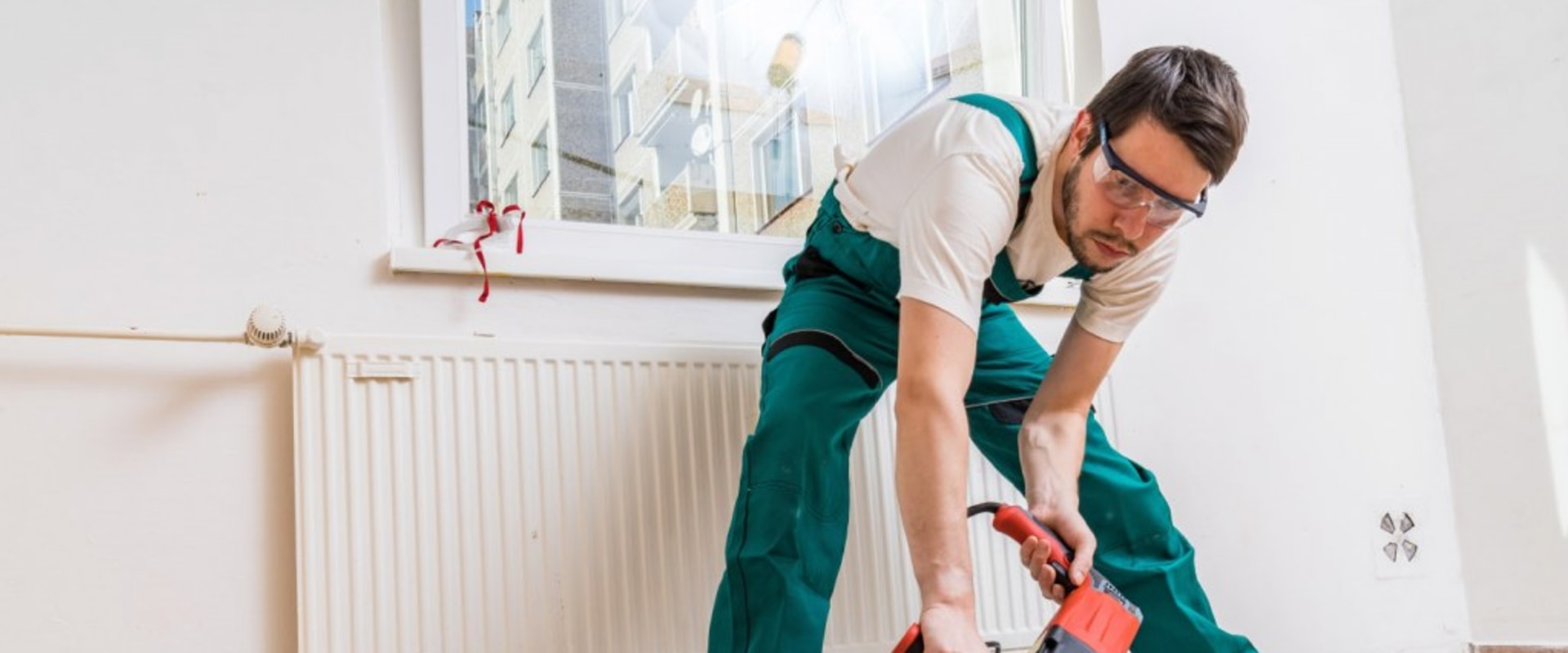
In the realm of home construction and maintenance, understanding the significance of proper DIY maintenance is crucial for every homeowner. Engaging in DIY projects not only empowers individuals to take control of their living spaces but also fosters a sense of accomplishment. However, the importance of executing these tasks correctly cannot be overstated. A well-maintained home not only enhances aesthetic appeal but also ensures safety and longevity, ultimately protecting your investment. Many homeowners embark on DIY maintenance with enthusiasm, yet they often overlook fundamental principles that can lead to costly mistakes.
Basic knowledge of home maintenance is essential; it serves as the foundation upon which successful DIY projects are built. From understanding the materials used in construction to recognising the signs of wear and tear, being informed can significantly reduce the likelihood of errors that may arise from inexperience. Moreover, common DIY mistakes can range from minor oversights to major blunders that compromise the integrity of your home. For instance, neglecting to follow safety protocols or miscalculating measurements can result in structural issues or even personal injury. By acknowledging these potential pitfalls and prioritising proper techniques, homeowners can not only avoid unnecessary expenses but also cultivate a more rewarding DIY experience.
Mistake #1: Skipping Essential Research
When embarking on any DIY maintenance project, one of the most critical steps is conducting thorough research.Skipping this phase can lead to costly mistakes and unsatisfactory results. Understanding the materials and techniques required for your project is essential to ensure that you achieve the desired outcome.
Why Research Matters
- Material Knowledge: Different projects require different materials. For instance, using the wrong type of paint or wood can compromise the integrity of your work. Researching the best materials for your specific project can save you time and money in the long run.
- Technique Understanding: Each DIY task has its own set of techniques that must be mastered.
Whether it’s tiling a bathroom or installing shelves, understanding the correct methods will help you avoid common pitfalls.
- Safety Considerations: Many DIY projects involve tools and materials that can be hazardous if not handled properly. Researching safety protocols and best practices is crucial to protect yourself and your home.
Planning Your DIY Project
A well-planned project begins with a clear understanding of what you want to achieve. Start by outlining your goals and then delve into research:
- Identify Your Goals: What do you want to accomplish? Be specific about the end result.
- Gather Information: Use reputable sources such as home improvement websites, instructional videos, and books to gather insights on your project.
- Create a Step-by-Step Plan: Break down the project into manageable steps, ensuring you understand each phase before proceeding.
Mistake #2: Underestimating the Complexity of Tasks
One of the most significant pitfalls in home construction and maintenance is underestimating the complexity of tasks.Many homeowners embark on DIY projects with enthusiasm, only to find themselves overwhelmed by the intricacies involved. This can lead to incomplete projects, wasted materials, and even safety hazards.Before starting any maintenance task, it’s crucial to assess the complexity of DIY tasks realistically. For instance, while changing a light fixture may seem straightforward, it involves understanding electrical systems and ensuring safety protocols are followed. Similarly, plumbing repairs can quickly escalate from a simple leak to a major issue if not handled correctly.
Knowing Your Limits
Recognising your own limitations is essential in avoiding costly mistakes.Here are some tips to help you gauge whether a task is within your skill set:
- Research Thoroughly: Before diving into a project, spend time researching the specific requirements and potential challenges. Online tutorials and forums can provide valuable insights.
- Consult Professionals: If a task seems too complex or beyond your expertise, don’t hesitate to consult a professional. Their experience can save you time and money in the long run.
- Start Small: Begin with smaller projects that match your skill level. This will build your confidence and experience before tackling more complex tasks.
By being honest about your capabilities and seeking help when necessary, you can avoid the frustration and potential dangers associated with underestimating the complexity of home maintenance tasks.
Mistake #3: Neglecting Safety Precautions
When engaging in DIY maintenance around the home, one of the most critical aspects often overlooked is safety. Neglecting safety precautions can lead to serious accidents, injuries, and even fatalities. Therefore, it is essential to prioritise safety measures before embarking on any home improvement project.Essential DIY Safety Tips
- Wear Appropriate Personal Protective Equipment (PPE): Always use safety goggles, gloves, and masks when handling tools or hazardous materials. This simple step can significantly reduce the risk of injury.
- Read Instructions Carefully: Whether you are using power tools or following a guide for repairs, understanding the instructions is vital.
Misinterpretation can lead to dangerous situations.
- Keep Your Workspace Organised: A cluttered workspace can lead to accidents. Ensure that tools and materials are stored properly and that walkways are clear.
- Use Tools Correctly: Familiarise yourself with how to operate each tool safely. Improper use can result in injuries or damage to your home.
- Have a First Aid Kit Handy: Accidents can happen even with the best precautions. Having a well-stocked first aid kit nearby ensures you can address minor injuries immediately.
If a task seems beyond your capabilities, consider hiring a professional. This not only ensures the job is done correctly but also keeps you safe from potential hazards.Furthermore, be aware of your surroundings. If you’re working with electricity or plumbing, ensure that you turn off the relevant systems before beginning work. This precaution can prevent severe accidents and costly repairs.Ultimately, prioritising safety during home construction and maintenance projects is not just about protecting yourself; it’s about creating a secure environment for everyone in your household.
By taking the time to implement these safety measures, you can enjoy the satisfaction of completing DIY tasks without compromising your well-being.
Mistake #4: Using Incorrect Tools or Materials
One of the most significant pitfalls in home construction and maintenance is the use of incorrect tools or materials. This mistake can lead to subpar results, increased costs, and even safety hazards. Understanding the right tools for your DIY projects is essential for achieving a professional finish.Choosing the Right Tools for DIY
When embarking on a DIY project, it’s crucial to select tools that are appropriate for the task at hand. Using a tool that is not designed for a specific job can result in damage to your home or injury to yourself.For instance, using a hammer instead of a mallet for delicate work can mar surfaces, while employing a screwdriver instead of a drill can lead to stripped screws.
- Assess the Task: Before starting, evaluate what tools are necessary. Research or consult with professionals if unsure.
- Invest in Quality: While it may be tempting to opt for cheaper tools, investing in quality equipment can save you money in the long run by reducing the need for replacements.
- Familiarise Yourself: Take time to understand how each tool works. Misusing tools due to lack of knowledge can lead to accidents.
Material Selection in DIY Projects
The choice of materials is equally important in home maintenance. Using substandard or incorrect materials can compromise the integrity of your project.For example, using exterior paint indoors can lead to poor air quality and peeling, while selecting the wrong type of wood for outdoor projects can result in rapid deterioration.
- Research Material Properties: Different materials have unique properties that make them suitable for specific applications. Understanding these can help you make informed choices.
- Consider Longevity: Opt for materials that will withstand wear and tear over time, especially in high-traffic areas or harsh environments.
- Sustainability: Whenever possible, choose eco-friendly materials that are not only better for the environment but often more durable.
Mistake #5: Ignoring Local Building Codes and Regulations
When undertaking DIY maintenance or construction projects, one of the most critical aspects to consider is compliance with local building codes and regulations. Ignoring these guidelines can lead to serious legal repercussions, safety hazards, and costly repairs down the line.Understanding Local Building Codes
- Building codes are established to ensure safety, health, and general welfare in residential construction.
- These codes cover various aspects, including structural integrity, electrical systems, plumbing, and fire safety.
- Each locality may have its own set of regulations that can differ significantly from neighbouring areas.
- Research local regulations: Check with your local council or building authority to understand the specific codes that apply to your project.
- Obtain necessary permits: Many DIY projects require permits to ensure compliance with safety standards. Failing to secure these can result in fines or the need to redo work.
- Consult professionals: If you are unsure about the regulations or how they apply to your project, consider consulting a professional.
This can save you time and money in the long run.
The Risks of Non-Compliance
- Legal issues: Non-compliance can lead to legal action from local authorities, including fines or orders to demolish non-compliant structures.
- Safety hazards: Ignoring building codes can compromise the safety of your home, putting you and your family at risk.
- Decreased property value: Homes that do not meet local regulations may face decreased market value and difficulty in selling.
Mistake #6: Failing to Plan for Future Maintenance Needs
When undertaking DIY maintenance on your home, it’s easy to focus solely on immediate repairs or improvements. However, one of the most significant oversights is failing to plan for future maintenance needs. This can lead to more extensive problems down the line, ultimately costing you more time and money.To avoid this pitfall, consider implementing a long-term DIY strategy.Start by assessing the current state of your home and identifying areas that may require ongoing attention. For instance, if you’re painting a room, think about how often it will need repainting and choose durable materials that can withstand wear and tear.
Creating a Maintenance Schedule
One effective way to plan for future maintenance is to create a maintenance schedule. This should include:- Seasonal tasks: Such as gutter cleaning in autumn and HVAC servicing in spring.
- Annual inspections: Check roofs, plumbing, and electrical systems to catch issues early.
- Long-term projects: Plan for larger renovations that may be necessary in the future.
Using eco-friendly materials and energy-efficient systems can reduce the frequency of repairs and lower your overall maintenance costs.Ultimately, by thinking ahead and planning for future maintenance, you can enhance the longevity of your home while minimising unexpected expenses. Remember, a well-maintained home is not just about immediate fixes; it’s about creating a sustainable living environment for years to come.
Common FAQs About DIY Home Maintenance Mistakes
When it comes to DIY home maintenance, many homeowners have questions about common pitfalls and how to avoid them. Here are some frequently asked questions that can help guide your efforts:What are the most common mistakes in DIY home repairs?
One of the most prevalent mistakes is underestimating the complexity of a task. Many homeowners jump into projects without adequate research, leading to incomplete or poorly executed repairs.Additionally, neglecting safety precautions can result in injuries or further damage to the home.
How can I ensure I have the right tools for the job?
Before starting any home construction and maintenance project, make a comprehensive list of required tools. Investing in quality tools can make a significant difference in the outcome of your work. If you're unsure about what tools you need, consult online resources or ask professionals for advice.What should I do if I encounter unexpected issues during a project?
If you run into problems, take a step back and assess the situation. Rushing to fix an issue can lead to more significant complications.Consider seeking help from online forums or instructional videos that address similar problems. If necessary, don’t hesitate to contact a professional for assistance.
Are there any specific areas where DIY mistakes are more common?
- Plumbing: Many DIYers underestimate the intricacies of plumbing systems, leading to leaks and water damage.
- Electrical work: Improper handling of electrical systems can pose serious safety risks.
- Structural changes: Altering load-bearing walls without proper knowledge can compromise the integrity of your home.
Conclusion: Key Takeaways for Successful DIY Maintenance
In conclusion, successful DIY maintenance hinges on a few critical principles that can help homeowners avoid common pitfalls. By being aware of these mistakes, you can ensure that your home construction and maintenance efforts are both effective and safe.Prioritise Planning
Before embarking on any maintenance task, take the time to plan thoroughly. This includes assessing the scope of the project, gathering necessary tools, and understanding the materials required.A well-thought-out plan can prevent costly errors and save time.
Know Your Limits
It’s essential to recognise when a task is beyond your skill set. While DIY projects can be rewarding, some jobs may require professional expertise. Don’t hesitate to call in a qualified tradesperson for complex issues such as electrical work or plumbing.Invest in Quality Tools
Using the right tools for the job is crucial. Investing in quality tools not only makes the work easier but also enhances safety.Cheap or inappropriate tools can lead to mistakes and even accidents.
Follow Safety Protocols
Safety should always be a priority during any DIY maintenance project. Ensure you wear appropriate protective gear and follow safety guidelines to minimise risks. Ignoring safety can lead to serious injuries and costly repairs.Regular Maintenance Checks
Finally, regular maintenance checks can help identify potential issues before they escalate into major problems. Establish a routine for inspecting key areas of your home, such as the roof, plumbing, and electrical systems.By keeping these key takeaways in mind, you can enhance your DIY maintenance skills and protect your home effectively.Remember, informed decisions lead to successful outcomes in home construction and maintenance.