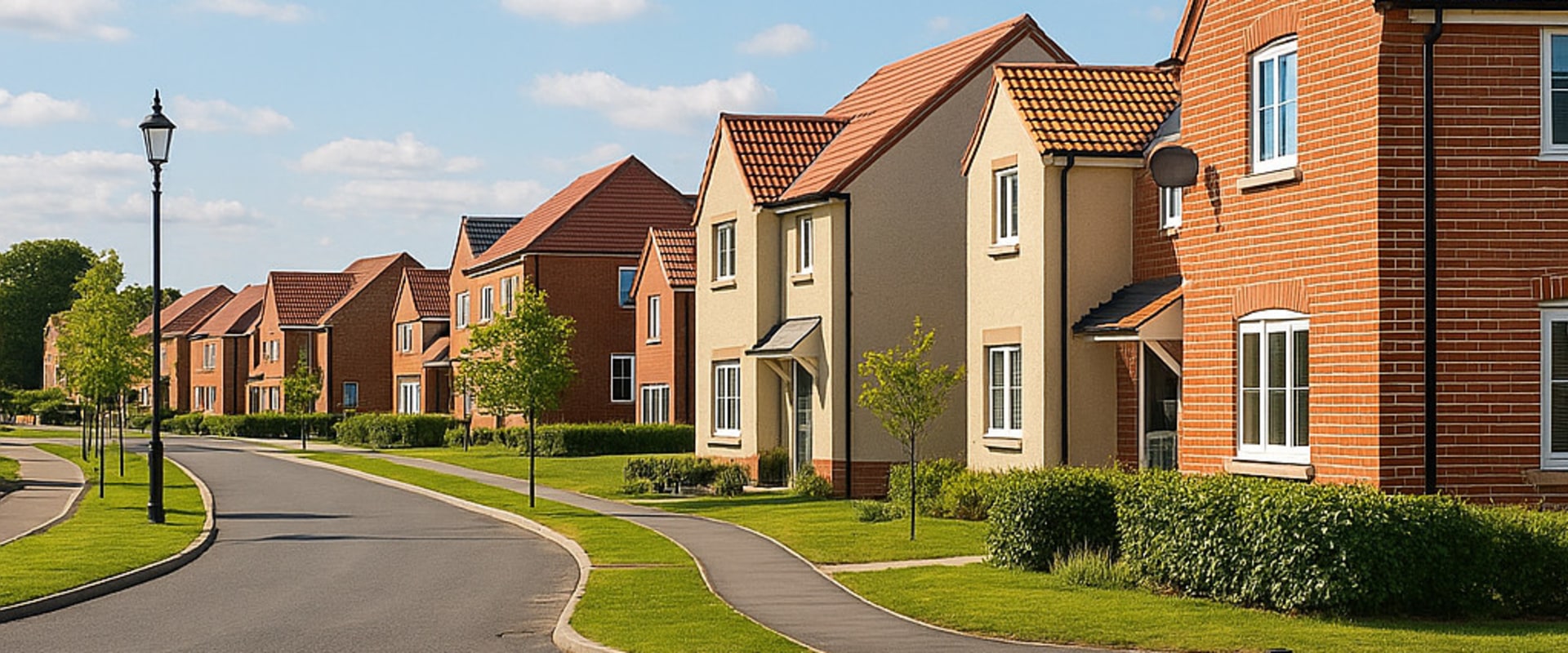
When embarking on the journey of home construction, one of the most critical decisions you will face is selecting the right location. The significance of this choice cannot be overstated, as it influences not only your day-to-day living experience but also the long-term value of your investment. A well-chosen location can enhance your quality of life, provide access to essential amenities, and ensure a safe and pleasant environment for you and your family. Several factors come into play when considering a location for your new home. Proximity to schools, healthcare facilities, and shopping centres are just a few aspects that can greatly affect your lifestyle.
Additionally, the neighbourhood's safety, community vibe, and future development plans are crucial elements that should not be overlooked. Understanding these factors will empower you to make an informed decision that aligns with your personal needs and aspirations. Moreover, the impact of location extends beyond immediate convenience; it also plays a pivotal role in the maintenance and longevity of your home. For instance, areas prone to flooding or extreme weather conditions may require additional construction considerations and ongoing upkeep. Therefore, taking the time to thoroughly evaluate potential locations is essential for ensuring that your new home remains a sanctuary for years to come.
Proximity to Essential Amenities
When considering a new home, proximity to essential amenities plays a crucial role in enhancing both daily life and long-term property value.Living near key services not only simplifies everyday tasks but also contributes to a more fulfilling lifestyle.One of the primary factors to consider is the distance to schools. For families with children, being close to reputable educational institutions can significantly influence their choice of location. Access to quality schools often correlates with higher property values, as many parents prioritise education when selecting a neighbourhood.Another important aspect is the availability of shopping centres. Proximity to grocery stores, retail shops, and other commercial facilities can save time and reduce travel costs.
A well-located home allows residents to easily access daily necessities without the hassle of long commutes.
Healthcare facilities
are also vital. Having hospitals, clinics, and pharmacies nearby ensures that medical assistance is readily available in case of emergencies. This factor is particularly important for families with young children or elderly members who may require frequent medical attention.Additionally, access to public transport can greatly enhance the convenience of a location. Homes situated near bus stops or train stations provide residents with easy commuting options, making it simpler to travel for work or leisure.This accessibility can also attract potential buyers or renters who rely on public transport.In summary, when choosing a location for a new home, it is essential to evaluate the proximity to schools, shopping centres, healthcare facilities, and public transport. These amenities not only improve quality of life but also contribute positively to property value over time.
Safety and Crime Rates in the Area
When considering a new home, safety and crime rates in the area are paramount factors that can significantly influence your decision. A neighbourhood with low crime rates not only provides peace of mind but also enhances the overall quality of life for you and your family.To assess the safety of a location, it is essential to research local crime statistics. Many online resources, including government databases and community websites, offer detailed reports on crime rates in specific areas.Look for trends over time; a sudden spike in crime could indicate underlying issues that may not be immediately apparent.
Understanding Crime Statistics
- Types of Crime: Familiarise yourself with the types of crimes prevalent in the area. Property crimes, such as burglary and theft, may be more concerning for homeowners than other types of crime.
- Comparative Analysis: Compare the crime rates of your prospective neighbourhood with those of nearby areas or the national average to gauge its relative safety.
- Community Initiatives: Investigate whether there are community watch programmes or local initiatives aimed at reducing crime, as these can enhance safety and foster a sense of community.
Secure living environments
often lead to lower home insurance costs.Insurance providers typically consider crime rates when determining premiums; thus, a safer neighbourhood may result in significant savings over time. This financial aspect should not be overlooked when evaluating potential locations for your new home.In conclusion, prioritising safety and understanding crime rates is crucial when choosing a location for your new home. A secure environment not only protects your family but also contributes to long-term financial benefits through lower insurance costs and increased property value.
Local Schools and Educational Opportunities
When considering a new home, the quality of local schools is often a pivotal factor for families. Parents typically seek areas with reputable educational institutions, as these can significantly influence their children's future opportunities.A strong educational environment not only fosters academic success but also contributes to the overall development of children.In many cases, the availability of diverse education options can enhance a neighbourhood's appeal. Families may look for areas that offer a range of schooling choices, including public, private, and charter schools. This variety allows parents to select an educational path that aligns with their values and their children's needs. Furthermore, schools that provide specialised programs, such as arts or sciences, can attract families looking for specific educational experiences.Moreover, the impact on home value cannot be overlooked.
Properties located in districts with high-performing schools often see an increase in demand, which can lead to higher property values over time. Buyers are generally willing to pay a premium for homes situated near well-regarded schools, recognising that this investment can yield long-term financial benefits. In contrast, homes in areas with underperforming schools may struggle to maintain their value.In summary, when evaluating potential locations for a new home, it is essential to consider the quality of local schools and the educational opportunities available. Not only do these factors play a crucial role in family decisions, but they also have significant implications for property values in the long run.
Community and Neighbourhood Vibe
When considering a location for your new home, the community atmosphere and neighbourhood culture play a pivotal role in shaping your living experience.A vibrant community can significantly enhance your quality of life, making it essential to evaluate the social aspects of the area.One of the first things to assess is the demographics of the neighbourhood. Understanding the age groups, family structures, and cultural backgrounds of residents can provide insight into the community vibe. For instance, areas with a mix of families, young professionals, and retirees often foster a more dynamic environment.
Community Engagement
A strong sense of community is often reflected in local events and activities. Look for neighbourhoods that host regular gatherings such as farmers' markets, festivals, or community clean-up days.These events not only promote social interaction but also help build lasting relationships among residents.
Local Amenities
The availability of local amenities can also influence the community feel. Access to parks, recreational facilities, and community centres encourages outdoor activities and socialising. Additionally, nearby cafes, shops, and restaurants can serve as social hubs where residents gather and connect.Safety and Security
A safe neighbourhood is fundamental to feeling at home. Research local crime rates and speak to current residents about their experiences.A low crime rate often correlates with a strong community spirit, as neighbours look out for one another.
Schools and Education
If you have children or plan to in the future, consider the quality of local schools. Areas with reputable educational institutions often attract families, contributing to a family-friendly atmosphere that can enhance community ties.In conclusion, when choosing a location for your new home, pay close attention to the community vibe. A supportive and engaging neighbourhood not only enriches your living experience but also fosters connections that can last a lifetime.Future Development Plans in the Area
When considering a location for your new home, future development plans in the area are crucial. These plans can significantly influence both property values and the overall quality of life.Understanding what is on the horizon can help you make an informed decision.
Urban Development
- Residential Projects: New housing developments can increase the population density, which may lead to enhanced local amenities and services.
- Commercial Growth: The introduction of shopping centres, restaurants, and entertainment venues can make an area more desirable, boosting property values.
- Public Spaces: Parks and recreational facilities contribute to a community's appeal, making it a more attractive place to live.
Future Infrastructure Projects
- Transport Links: Upcoming transport projects, such as new roads or public transport systems, can drastically reduce commute times and improve accessibility.
- Utilities Expansion: Enhancements in water, electricity, and internet services can elevate living standards and attract more residents.
- Sustainability Initiatives: Developments focused on sustainability can lead to long-term cost savings and a healthier environment.
Environmental Factors and Natural Disasters
When considering a location for your new home, environmental factors and the potential for natural disasters play a crucial role in ensuring both safety and long-term maintenance.Understanding these elements can help you make an informed decision that protects your investment and your family.
Natural Disaster Risks
- Flood Zones: Homes situated in flood-prone areas are at a higher risk of water damage, which can lead to costly repairs and increased insurance premiums. It's essential to check local flood maps and consider the elevation of the property.
- Earthquake Zones: If you live in an area susceptible to earthquakes, investing in a home with proper structural reinforcements is vital. This can mitigate damage and ensure safety during seismic events.
- Hurricane and Tornado Risks: Locations prone to hurricanes or tornadoes require homes built to withstand high winds and heavy rains. Look for properties with storm-resistant features, such as reinforced roofs and impact-resistant windows.
Environmental Concerns
- Air Quality: Proximity to industrial areas or heavy traffic can affect air quality, impacting health and comfort.
Research local pollution levels and consider how they may influence your family's well-being.
- Water Quality: Access to clean water is essential. Investigate the local water supply and any potential contaminants that could affect drinking water quality.
- Wildlife and Ecosystems: Understanding the local ecosystem can help you anticipate potential issues, such as pest infestations or wildlife interactions that may affect your home.
Climate Impact on Housing
The climate of your chosen location will significantly influence the type of materials used in construction and ongoing maintenance needs. For instance, homes in coastal areas may require materials resistant to saltwater corrosion, while those in colder climates need adequate insulation to combat freezing temperatures. Additionally, consider how changing climate patterns may affect weather-related risks over time.In summary, evaluating environmental factors and natural disaster risks is essential when selecting a location for your new home.
By doing so, you can ensure not only the safety of your investment but also the comfort and well-being of your family for years to come.
Cost of Living and Property Prices
When considering a new home, understanding the cost of living and property prices in the area is crucial. These factors not only influence your immediate financial commitments but also affect your long-term investment potential.Property prices
can vary significantly based on local economic conditions, including job availability, average income levels, and the overall demand for housing. For instance, urban areas typically experience higher property prices due to increased demand, while rural locations may offer more affordable options. It’s essential to research the current market trends in your desired location to gauge whether property prices are on the rise or if they are stabilising.Additionally, conducting a cost of living comparison between different areas can provide valuable insights.This comparison should include not just housing costs but also expenses related to utilities, transportation, groceries, and healthcare. Websites that aggregate cost of living data can be particularly useful for this purpose.When budgeting for a home purchase, it’s important to consider not only the purchase price but also ongoing costs such as property taxes, insurance, and maintenance. A lower property price might seem appealing initially; however, if the area has high taxes or maintenance costs, it could lead to financial strain in the long run.
Key considerations when budgeting include:
- Down payment: Ensure you have sufficient savings for a down payment that aligns with your financial goals.
- Monthly mortgage payments: Calculate what you can afford based on your income and other financial obligations.
- Emergency fund: Maintain a reserve for unexpected expenses related to home ownership.
Transportation Links and Commute Times
When considering a new home, transportation links and commute times are crucial factors that can significantly impact your daily life.The ease of access to public transport and the efficiency of the surrounding transportation infrastructure can enhance convenience and reduce stress.
Public Transport Access
- Proximity to Stations: Homes located near train stations, bus stops, or tram lines can save valuable time during daily commutes. A short walk to public transport can make a significant difference in your overall travel experience.
- Frequency of Services: Consider the frequency of public transport services. Areas with regular and reliable services are more desirable, as they provide flexibility in travel times and reduce waiting periods.
- Variety of Options: Access to multiple modes of transport, such as buses, trains, and cycling paths, can enhance mobility. This variety allows residents to choose the most convenient or cost-effective option for their needs.
Commute Times
- Distance to Work: Evaluate the distance from potential homes to your workplace.
Shorter commute times can lead to a better work-life balance and more time for personal activities.
- Traffic Conditions: Research typical traffic patterns in the area. High congestion levels during peak hours can significantly extend commute times, making it essential to consider local traffic conditions when choosing a location.
- Future Developments: Investigate any planned infrastructure projects that may affect transportation in the area. Upcoming road expansions or new public transport lines can improve accessibility and potentially increase property values.
[FAQs] Common Questions About Choosing a Home Location
When considering a location for your new home, several common questions arise that can significantly impact your decision-making process.Here are some frequently asked questions and their answers:
- What are the key factors to consider when choosing a home location? Key factors include proximity to work, schools, healthcare facilities, and amenities such as shopping and recreational areas. Additionally, consider the safety of the neighbourhood, local property values, and future development plans that may affect your investment.
- How important is the local community? The local community plays a vital role in your overall living experience. A friendly and supportive community can enhance your quality of life. Research local events, clubs, and social activities to gauge the community spirit.
- What should I know about the climate? The climate can affect not only your comfort but also the home construction and maintenance requirements.
For instance, homes in areas with heavy snowfall may need robust roofing systems, while those in warmer climates might require efficient cooling systems.
- Are there any zoning laws or restrictions? Understanding local zoning laws is crucial as they dictate what can be built in certain areas. This knowledge can prevent future complications if you plan to expand or modify your home.
- What are some tips for selecting a home site?
- Visit at different times: Check the area during various times of the day and week to understand traffic patterns and noise levels.
- Talk to neighbours: Engaging with current residents can provide insights into the community and any potential issues.
- Research future developments: Investigate any planned infrastructure projects or developments that could impact your living experience.
[Conclusion] Summarising Key Factors in Home Location Selection
In conclusion, selecting the right location for your new home is a multifaceted decision that requires careful consideration of various factors. Each element plays a crucial role in ensuring that your investment in home construction and maintenance yields long-term satisfaction and value.Key Factors Recap
- Proximity to Amenities: Access to schools, healthcare, shopping, and recreational facilities can significantly enhance your quality of life.
- Safety and Security: Researching crime rates and the overall safety of a neighbourhood is essential for peace of mind.
- Transport Links: Good public transport options and road connectivity can save time and improve daily commutes.
- Community and Lifestyle: Understanding the local culture and community vibe can help ensure that you feel at home in your new environment.
- Future Development: Investigating planned developments in the area can provide insights into potential increases in property value.
Remember, a well-chosen location is foundational to successful home construction and maintenance, setting the stage for a fulfilling living experience.