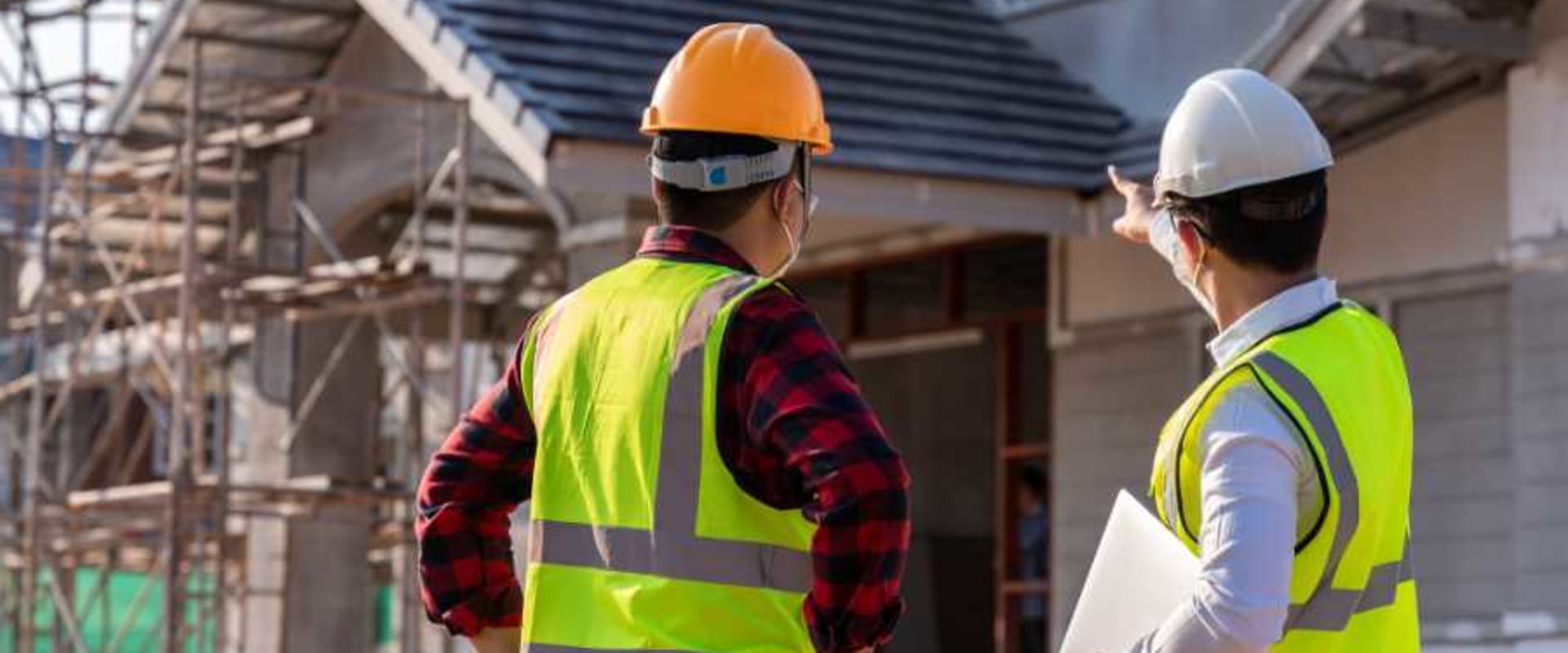
In the realm of home construction, understanding building codes and regulations is paramount. These codes serve as a framework designed to ensure that structures are safe, sustainable, and built to a standard that protects both the occupants and the environment. They encompass a wide range of requirements, from structural integrity to fire safety, plumbing, and electrical systems. By adhering to these regulations, builders not only comply with legal standards but also contribute to the overall quality and longevity of the homes they construct, which is essential for any Comprehensive Guide to Home Maintenance Activities.The importance of and regulations is paramount. These codes serve as a framework designed to ensure that structures are safe, sustainable, and built to a standard that protects both the occupants and the environment. They encompass a wide range of requirements, from structural integrity to fire safety, plumbing, and electrical systems. By adhering to these regulations, builders not only comply with legal standards but also contribute to the overall quality and longevity of the homes they construct, which is essential for any Comprehensive Guide to Home Maintenance Activities. The importance of construction regulations cannot be overstated.
They are established by local, regional, and national authorities to address specific needs and challenges within different communities. For instance, areas prone to earthquakes may have stricter codes regarding foundation stability, while regions with high humidity might focus on moisture control measures. This tailored approach ensures that homes are equipped to withstand local environmental conditions, ultimately safeguarding the well-being of residents. Moreover, compliance with building codes fosters trust between builders and homeowners. When a construction project meets or exceeds these standards, it not only enhances the property’s value but also reassures potential buyers about their investment.
In an era where sustainability is increasingly vital, many building codes now incorporate energy efficiency measures, promoting eco-friendly practices that benefit both homeowners and the planet.
Types of Building Codes
Building codes are essential regulations that govern the construction and maintenance of buildings, ensuring safety, health, and welfare for occupants. These codes vary significantly depending on the type of construction, primarily categorised into residential and commercial building codes.Residential Building Codes
Residential building codes are designed specifically for homes and dwellings. They cover a wide range of aspects including:- Structural integrity: Ensuring that homes can withstand environmental stresses such as wind, snow, and earthquakes.
- Fire safety: Regulations regarding fire alarms, escape routes, and materials used in construction to prevent fire hazards.
- Electrical systems: Standards for wiring, outlets, and electrical panels to ensure safe electrical installations.
- Plumbing: Guidelines for water supply, drainage systems, and sanitation to promote health and hygiene.
Commercial Building Codes
In contrast, commercial building codes apply to structures used for business purposes. These codes often have more stringent requirements due to the higher occupancy levels and the nature of activities conducted within these buildings.Key areas covered include:
- Accessibility: Compliance with regulations such as the Equality Act 2010 to ensure buildings are accessible to all individuals, including those with disabilities.
- Occupancy limits: Regulations that dictate how many people can safely occupy a space based on its size and design.
- Energy efficiency: Standards aimed at reducing energy consumption through insulation, heating systems, and sustainable materials.
- Health regulations: Requirements for ventilation, sanitation facilities, and other health-related aspects to protect employees and customers.
Key Building Regulations to Follow
When embarking on home construction and maintenance, it is crucial to adhere to the various building regulations set forth in the UK. These regulations are designed to ensure safety, health, and sustainability in construction practices. Below are some key regulations that homeowners and builders must follow:- Building Act 1984: This act provides the framework for building regulations in England and Wales, ensuring that all construction meets minimum standards.
- Building Regulations 2010: These regulations cover a wide range of aspects including structural integrity, fire safety, energy efficiency, and accessibility.
Compliance with these regulations is mandatory for most building projects.
- Planning Permission: Before starting any construction, it is essential to check whether planning permission is required. This process ensures that the proposed work aligns with local development plans.
- Health and Safety at Work Act 1974: This legislation mandates that all construction sites maintain a safe working environment for workers and the public, reducing the risk of accidents.
- Environmental Regulations: Builders must also consider environmental impact assessments to comply with regulations aimed at protecting the environment during construction activities.
- Energy Performance Certificates (EPC): New buildings must meet certain energy efficiency standards and obtain an EPC before they can be occupied.
- Accessibility Standards: Buildings must be designed to be accessible to all individuals, including those with disabilities, as outlined in the Equality Act 2010.
Planning Permission and Its Importance
Obtaining planning permission is a crucial step in the home construction and maintenance process in the UK. This legal requirement ensures that any new building or significant alteration to an existing structure complies with local and national regulations, safeguarding the environment and community interests.When is planning permission needed?
Generally, planning permission is required for:- New builds, including residential homes and commercial properties.
- Extensions that exceed certain size limits or alter the structure's appearance.
- Changes of use, such as converting a residential property into a business.
- Significant alterations to listed buildings or properties in conservation areas.
For example, certain minor works may fall under permitted development rights, allowing homeowners to make specific changes without formal approval. It is essential to check with your local planning authority to determine whether your project requires permission.
Planning regulations
can vary significantly across different regions, so understanding local guidelines is vital. The application process typically involves submitting detailed plans and documentation outlining the proposed work. This may include:- A site plan showing the location of the proposed development.
- Design and access statements explaining how the project fits within its surroundings.
- Environmental assessments if the project could impact local ecosystems.
Engaging with your local council early in the process can help clarify requirements and streamline your application.In summary, securing planning permission is not just a bureaucratic hurdle; it is an essential part of ensuring that your construction project adheres to legal standards and contributes positively to the community. Always consult with professionals or local authorities to navigate this process effectively.
Health and Safety Regulations in Construction
In the realm of home construction and maintenance, adhering to health and safety regulations is paramount. These regulations are designed to safeguard not only the workers on site but also the general public. In the UK, the Health and Safety at Work Act 1974 serves as the cornerstone of workplace safety, mandating that employers ensure, as far as is reasonably practicable, the health and safety of their employees.One of the key components of site safety requirements is conducting thorough risk assessments.This process involves identifying potential hazards associated with construction activities and implementing measures to mitigate these risks. Common hazards include:
- Falls from height: Proper scaffolding and fall protection systems must be in place.
- Manual handling: Workers should be trained in safe lifting techniques to prevent injuries.
- Electrical safety: All electrical installations must comply with the IET Wiring Regulations.
- Noise exposure: Adequate hearing protection should be provided in high-noise environments.
Regular training sessions should also be conducted to ensure that all personnel are aware of safety protocols and emergency procedures.In summary, compliance with health and safety regulations is not merely a legal obligation but a fundamental aspect of responsible construction practice. By prioritising safety on site, builders can protect their workforce and contribute to a culture of safety within the industry.
Environmental Considerations in Building Codes
In recent years, environmental considerations have become increasingly integral to building codes and regulations, reflecting a growing awareness of the need for sustainability in construction. These codes aim to minimise the environmental impact of new buildings and renovations, ensuring that home construction aligns with eco-friendly practices.One of the primary focuses of these regulations is energy efficiency. Many jurisdictions now require homes to meet specific energy performance standards, which can include:- Insulation requirements: Proper insulation helps reduce energy consumption by maintaining indoor temperatures.
- Energy-efficient windows: Double or triple-glazed windows can significantly lower heating and cooling costs.
- Renewable energy sources: Some codes encourage or mandate the integration of solar panels or other renewable energy systems.
Building codes often stipulate the use of water-efficient fixtures and appliances, such as:
- Low-flow toilets and faucets: These fixtures reduce water usage without sacrificing performance.
- Rainwater harvesting systems: Collecting rainwater for irrigation or non-potable uses can significantly decrease demand on municipal water supplies.
- Recycled materials: Using reclaimed wood or recycled metal can reduce waste and lower the carbon footprint of a construction project.
- Sustainably sourced products: Materials that are certified by organisations like the Forest Stewardship Council (FSC) ensure responsible forestry practices.
Common Violations of Building Codes
Building codes are essential for ensuring safety, structural integrity, and compliance in home construction.However, violations of these codes can occur, often leading to significant consequences for both homeowners and builders.
Common Violations of Building Codes
- Improper Electrical Wiring: One of the most frequent violations involves electrical systems that do not meet code requirements. This can lead to fire hazards and electrical failures.
- Inadequate Structural Support: Failing to provide sufficient support beams or using substandard materials can compromise the building's stability, risking collapse.
- Non-compliant Plumbing: Plumbing systems that do not adhere to local codes can result in leaks, water damage, and health hazards due to improper drainage.
- Insufficient Fire Safety Measures: Not installing smoke detectors or fire exits as mandated can endanger occupants and lead to severe legal repercussions.
- Ignoring Zoning Laws: Constructing a building that does not comply with zoning regulations can result in fines and the potential need to demolish or alter the structure.
Consequences of Violations
The repercussions of violating building codes can be severe. Homeowners may face hefty fines, legal action, or even forced removal of non-compliant structures. Additionally, violations can lead to increased insurance premiums or denial of coverage altogether.
Builders may also suffer reputational damage, loss of licenses, and financial penalties.
Avoiding Common Mistakes
To prevent these violations, it is crucial for both homeowners and builders to stay informed about local building codes and regulations. Engaging qualified professionals for inspections and adhering strictly to approved plans can significantly reduce the risk of non-compliance. Regular training and updates on building practices are also beneficial in maintaining standards throughout the construction process.
FAQs About Building Codes and Regulations
Building codes and regulations can often seem overwhelming, especially for those new to home construction and maintenance. Here are some frequently asked questions that can help clarify common concerns:- What are building codes?
Building codes are a set of regulations that dictate the minimum standards for construction and safety.They cover various aspects, including structural integrity, fire safety, plumbing, and electrical systems.
- Why are building codes important?
These codes ensure that buildings are safe for occupants and comply with local laws. They help prevent accidents and protect property values by ensuring quality construction practices. - Who enforces building codes?
Local government authorities typically enforce building codes. This includes building inspectors who review plans, conduct inspections during construction, and ensure compliance with the regulations. - Do I need a permit for home renovations?
In most cases, significant renovations or additions require a permit. This includes structural changes, electrical work, and plumbing modifications.Always check with your local council to determine what is necessary.
- What happens if I don’t follow building codes?
Failure to comply with building codes can result in fines, mandatory removal of non-compliant work, or even legal action. It can also affect your ability to sell the property in the future.
Conclusion: The Importance of Compliance in Home Construction
In conclusion, adhering to building codes and regulations is not merely a bureaucratic requirement but a fundamental aspect of home construction and maintenance. These codes are designed to ensure safety, sustainability, and structural integrity, ultimately protecting both the occupants and the investment made in a property.Throughout this article, we have explored various aspects of building codes, including their role in:- Safety: Ensuring that homes are built to withstand environmental challenges and potential hazards.
- Quality: Promoting high standards in materials and workmanship that contribute to the longevity of a structure.
- Energy Efficiency: Encouraging practices that reduce energy consumption and promote sustainable living.
- Accessibility: Making homes usable for individuals with disabilities, thereby fostering inclusivity.
- Legal Repercussions: Homeowners may face fines or legal action if their properties do not meet local codes.
- Increased Costs: Non-compliance can result in costly repairs or modifications after construction is complete.
- Safety Risks: Ignoring building codes can jeopardise the safety of residents and visitors alike.
By prioritising these regulations, builders and homeowners alike can contribute to a safer, more sustainable future.