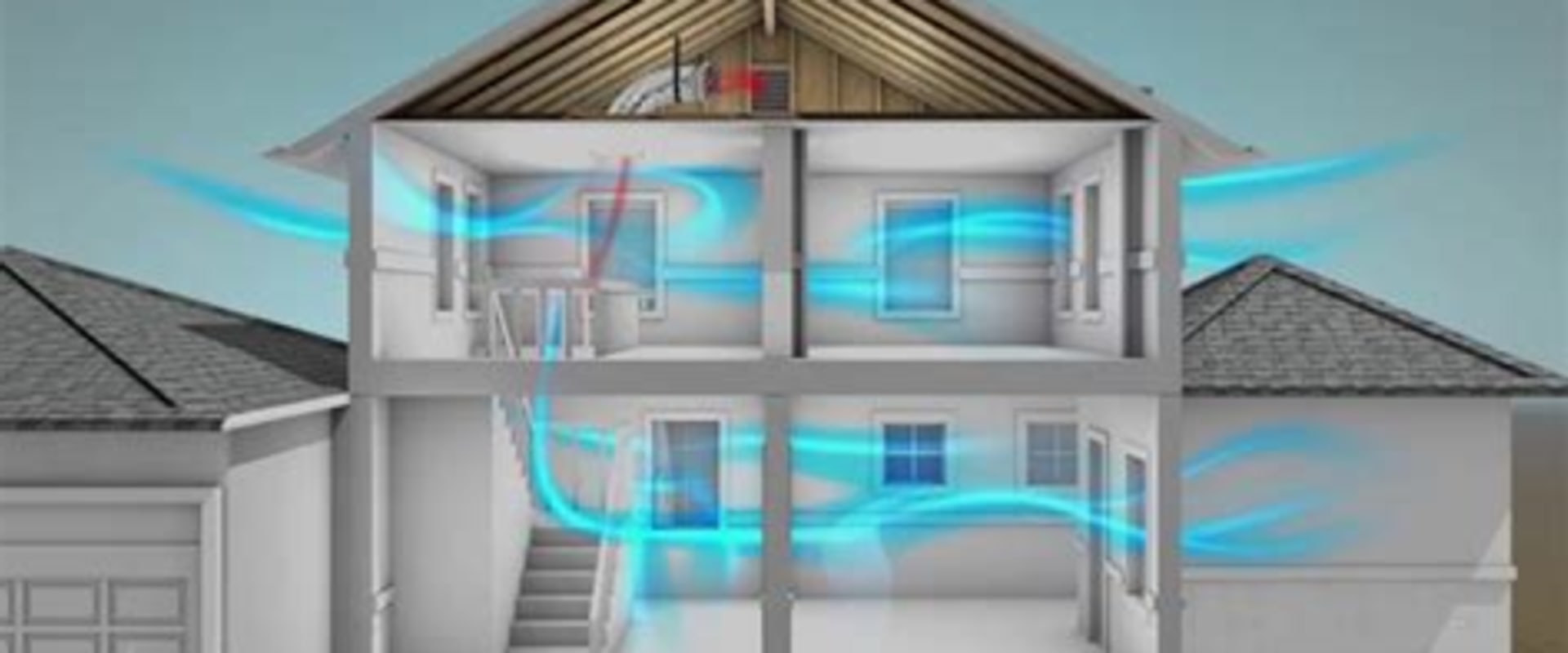
In the realm of home construction and maintenance, understanding the significance of ventilation and air quality is paramount for homeowners. Proper ventilation not only facilitates the flow of fresh air but also plays a crucial role in maintaining a healthy indoor environment. Poor air quality can lead to a myriad of health issues, including respiratory problems, allergies, and even long-term illnesses. Therefore, ensuring that your home is well-ventilated is not merely a matter of comfort; it is essential for safeguarding the well-being of all occupants. The benefits of good air quality extend beyond health considerations.
A well-ventilated home can enhance energy efficiency, reduce moisture levels, and prevent the growth of mould and mildew. These factors contribute to a more comfortable living space and can even prolong the lifespan of your home’s structure and furnishings. Homeowners who prioritise ventilation are likely to experience lower energy bills, as proper airflow can reduce the need for excessive heating or cooling. Moreover, understanding how to achieve optimal ventilation can empower homeowners to make informed decisions about their living spaces. From selecting appropriate ventilation systems to implementing simple strategies like opening windows or using exhaust fans, there are numerous ways to improve air quality.
By recognising the importance of these elements in home construction and maintenance, homeowners can create a healthier, more sustainable environment that benefits both their families and their homes.
Key Factors Affecting Home Ventilation
When considering home ventilation, several key factors come into play that can significantly impact the air quality and overall comfort of a living space. Understanding these factors is essential for homeowners aiming to create a healthy indoor environment.Types of Home Ventilation Systems
There are primarily two types of ventilation systems: natural ventilation and mechanical ventilation. Each has its own advantages and disadvantages, which can affect the choice of system based on the specific needs of the home.- Natural Ventilation: This method relies on natural forces such as wind and temperature differences to circulate air. It often involves strategically placed windows, vents, and openings that allow fresh air to enter while stale air exits.
While it is energy-efficient and cost-effective, its effectiveness can be limited by external weather conditions.
- Mechanical Ventilation: This system uses fans and ductwork to actively move air in and out of the home. Mechanical systems can be more reliable in controlling air quality, especially in tightly sealed homes where natural airflow is insufficient. However, they may require more energy and maintenance.
Factors Influencing Ventilation
Several factors can influence the effectiveness of both natural and mechanical ventilation:- Home Design: The layout and design of a home play a crucial role in how air flows through it. Open floor plans may facilitate better airflow compared to compartmentalised spaces.
- Climate: The local climate affects the choice between natural and mechanical systems.
In areas with high humidity or extreme temperatures, mechanical ventilation may be necessary to maintain comfort.
- Building Materials: The materials used in construction can impact air quality. For instance, certain materials may emit volatile organic compounds (VOCs), necessitating improved ventilation to mitigate their effects.
- Occupant Activities: Daily activities such as cooking, cleaning, and even breathing contribute to indoor air pollution. Understanding these activities helps in designing an effective ventilation strategy.
Assessing Your Home's Current Ventilation System
To ensure optimal air quality in your home, it is essential to assess your current ventilation system. This process involves a thorough evaluation of how air circulates within your living spaces and identifying any potential issues that may compromise air quality. Start by examining the ventilation sources in your home.These can include natural ventilation through windows and vents, as well as mechanical systems such as exhaust fans and HVAC units. Check if these systems are functioning properly and whether they are adequate for the size of your home.
Checking Air Quality
Next, consider the air quality within your home. You can do this by:- Using an indoor air quality monitor to measure levels of pollutants such as carbon dioxide, volatile organic compounds (VOCs), and particulate matter.
- Observing any signs of moisture or mould, which can indicate poor ventilation.
- Noticing any unpleasant odours that may suggest inadequate air circulation.
Evaluating Your Ventilation System
Once you have gathered information about your ventilation sources and air quality, it’s time to evaluate your ventilation system. Consider the following:- Airflow: Ensure that air is flowing freely throughout your home.
Blocked vents or ducts can significantly reduce efficiency.
- Filters: Check and replace filters in your HVAC system regularly to maintain clean airflow.
- Exhaust Fans: Make sure kitchen and bathroom exhaust fans are operational and venting outside to remove excess moisture and pollutants.
Improving Ventilation: Practical Solutions for Homeowners
Ensuring proper ventilation in your home is crucial for maintaining air quality and preventing issues such as mould growth and indoor air pollution. Here are some practical solutions that homeowners can implement to improve ventilation:- Utilise Natural Ventilation: Open windows and doors whenever possible to allow fresh air to circulate. Cross-ventilation, where air flows through the house from one side to another, can significantly enhance airflow.
- Install Exhaust Fans: Place exhaust fans in areas prone to moisture, such as kitchens and bathrooms.
These fans help remove stale air and excess humidity, improving overall air quality.
- Consider Air Vents: Ensure that your home has adequate air vents. If necessary, install additional vents in rooms that feel stuffy or lack airflow.
- Use Air Purifiers: Invest in high-quality air purifiers equipped with HEPA filters. These devices can help remove allergens, dust, and other pollutants from the air.
- Regular Maintenance: Keep your heating, ventilation, and air conditioning (HVAC) systems well-maintained. Change filters regularly and schedule professional inspections to ensure optimal performance.
- Create a Ventilation System: Use box fans in windows to draw in fresh air during cooler parts of the day.
Position them strategically to create a flow of air throughout your home.
- Install Window Screens: Adding screens allows you to keep windows open without letting in insects, promoting natural ventilation.
- Seal Gaps and Cracks: Inspect your home for any gaps or cracks around windows and doors. Sealing these can prevent unwanted drafts while ensuring that the ventilation you create is effective.
Maintaining Indoor Air Quality: Best Practices
Maintaining indoor air quality is essential for a healthy home environment. Homeowners can adopt several best practices to ensure that the air they breathe is clean and safe. One of the most effective ways to improve indoor air quality is by using air purifiers. These devices can significantly reduce airborne pollutants, allergens, and even odours.When selecting an air purifier, look for models equipped with HEPA filters, as they are designed to capture 99.97% of particles that are 0.3 microns or larger. Regularly replacing filters according to the manufacturer's guidelines is crucial for optimal performance. In addition to air purifiers, regular cleaning plays a vital role in maintaining air quality. Dust, pet dander, and other contaminants can accumulate over time. To combat this:
- Vacuum carpets and rugs at least once a week using a vacuum cleaner with a HEPA filter.
- Dust surfaces with a damp cloth to prevent particles from becoming airborne.
- Wash bedding and curtains regularly to eliminate dust mites and allergens.
High humidity levels can promote mould growth, while low humidity can lead to dry skin and respiratory issues. Ideally, indoor humidity should be maintained between 30% and 50%. Homeowners can use dehumidifiers in damp areas like basements or bathrooms and humidifiers during dry winter months to achieve this balance. Finally, consider monitoring indoor air quality with an air quality monitor. These devices can provide real-time data on pollutants and humidity levels, allowing homeowners to take action when necessary.
By implementing these best practices, homeowners can create a healthier living environment that promotes well-being for all occupants.
Common Indoor Air Pollutants and How to Combat Them
Indoor air quality can be significantly compromised by various indoor air pollutants. Understanding these pollutants and their sources is crucial for homeowners aiming to maintain a healthy living environment.- Volatile Organic Compounds (VOCs): These are emitted from a variety of household products, including paints, cleaning agents, and air fresheners. To combat VOCs, opt for low-VOC or VOC-free products and ensure proper ventilation when using such items.
- Formaldehyde: Commonly found in pressed wood products, furniture, and some insulation materials, formaldehyde can irritate the eyes and respiratory system. To reduce exposure, choose formaldehyde-free products and increase ventilation in areas where these materials are present.
- Particulate Matter: Dust, pet dander, and pollen can accumulate indoors, contributing to poor air quality.
Regular cleaning, including vacuuming with HEPA filters and using air purifiers, can help mitigate these pollutants.
- Mould: Mould thrives in damp environments and can lead to serious health issues. To combat mould growth, maintain low humidity levels (ideally between 30-50%), fix leaks promptly, and ensure adequate ventilation in bathrooms and kitchens.
- Carbon Monoxide: This odourless gas can be produced by faulty heating systems or appliances. Installing carbon monoxide detectors and ensuring regular maintenance of heating systems can prevent dangerous build-up.
The Role of Plants in Enhancing Air Quality
Incorporating houseplants into your home not only adds aesthetic value but also plays a significant role in enhancing air quality.Certain plants are known for their ability to filter out harmful toxins and improve the overall atmosphere of indoor spaces. Here are some of the most effective plants that serve as natural air purifiers:
- Spider Plant: This resilient plant is excellent at removing pollutants such as formaldehyde and xylene. Its ability to thrive in various conditions makes it a popular choice for homeowners.
- Peace Lily: Known for its beautiful white blooms, the peace lily is effective at filtering out ammonia, benzene, and formaldehyde. It also helps to increase humidity levels, which can be beneficial for respiratory health.
- Snake Plant: Also known as mother-in-law's tongue, this hardy plant converts carbon dioxide into oxygen at night, making it an ideal choice for bedrooms.
It is particularly good at removing toxins like formaldehyde and nitrogen oxides.
- Aloe Vera: Beyond its well-known healing properties, aloe vera is effective at purifying the air by removing formaldehyde and benzene. It also releases oxygen at night, promoting better sleep.
- Bamboo Palm: This palm is not only visually appealing but also acts as a natural humidifier while filtering out benzene, formaldehyde, and trichloroethylene.
The presence of greenery has been shown to create a calming atmosphere, making your home a more pleasant place to live. Therefore, investing in houseplants not only contributes to better air quality but also enhances your overall well-being.
FAQs About Home Ventilation and Air Quality
Homeowners often have questions regarding ventilation and air quality. Here are some frequently asked questions that can help clarify common concerns:- What is the importance of ventilation in my home?
Proper ventilation is crucial for maintaining a healthy indoor environment. It helps to remove excess moisture, reduce indoor pollutants, and ensure a steady supply of fresh air, which can significantly improve air quality. - How can I tell if my home is properly ventilated?
Signs of inadequate ventilation include persistent dampness, mould growth, and stale air.If you notice these issues, it may be time to assess your ventilation system.
- What are the best methods for improving home ventilation?
There are several effective methods to enhance ventilation:- Install exhaust fans in kitchens and bathrooms.
- Use trickle vents in windows to allow fresh air in.
- Consider a whole-house ventilation system for optimal airflow.
- How does indoor air quality affect my health?
Poor indoor air quality can lead to various health issues, including respiratory problems, allergies, and fatigue. Ensuring good ventilation helps mitigate these risks by reducing pollutants. - What common pollutants should I be aware of?
Common indoor pollutants include:- Volatile organic compounds (VOCs) from paints and cleaning products.
- Dust mites and pet dander.
- Mould spores from damp areas.
Conclusion: Prioritising Ventilation for a Healthier Home Environment
In conclusion, ensuring proper ventilation and air quality in your home is not merely a matter of comfort; it is essential for the health and well-being of all occupants. As we have explored, effective ventilation systems play a crucial role in reducing indoor pollutants, controlling humidity levels, and preventing the growth of mould and mildew. Homeowners should consider the following key strategies to enhance ventilation:- Regular Maintenance: Schedule routine checks for your ventilation systems, including air filters and ducts, to ensure they are functioning optimally.
- Natural Ventilation: Open windows and doors whenever possible to allow fresh air to circulate, especially during milder weather.
- Mechanical Ventilation: Invest in energy recovery ventilators (ERVs) or heat recovery ventilators (HRVs) that can efficiently exchange stale indoor air with fresh outdoor air while minimising energy loss.
- Humidity Control: Use dehumidifiers in damp areas such as basements and bathrooms to maintain ideal humidity levels between 30% and 50%.
By implementing these strategies, homeowners can not only protect their health but also increase the longevity of their property. A well-ventilated home is a cornerstone of home construction and maintenance, ensuring that your living space remains safe, comfortable, and inviting for years to come.