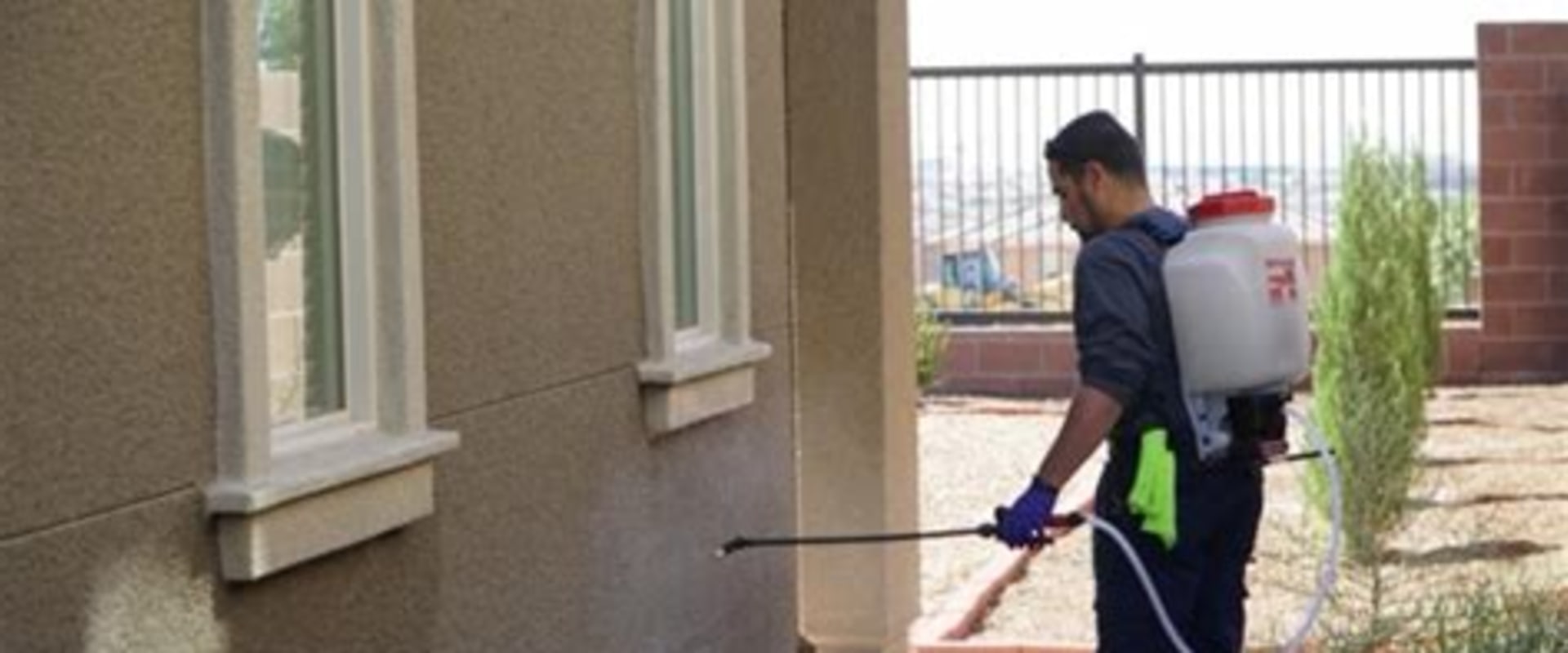
In the realm of home construction and maintenance, understanding the significance of pest prevention is crucial for homeowners. Pests and insects can cause extensive damage to a property, leading to costly repairs and a decline in property value. By prioritising pest control measures during the construction phase and throughout the life of the home, homeowners can create a robust defence against these unwelcome intruders. Effective home maintenance goes beyond routine cleaning and repairs; it encompasses proactive strategies to deter pests. This includes ensuring proper sealing of entry points, maintaining clean surroundings, and implementing regular inspections.
By integrating pest prevention into the overall maintenance plan, homeowners not only safeguard their living environment but also enhance the longevity of their property. The importance of pest control cannot be overstated. A single infestation can lead to structural damage, health risks, and a significant decrease in home value. Therefore, understanding how to prevent pests is an essential aspect of responsible homeownership. By taking preventive measures early on, homeowners can enjoy peace of mind knowing that their investment is protected from the detrimental effects of pests.
Identifying Common Household Pests and Their Impact
Homeowners must be vigilant in identifying common household pests that can wreak havoc on their properties.Understanding these pests and the damage they can cause is crucial for effective prevention and maintenance. Among the most notorious pests are termites , often referred to as "silent destroyers" due to their ability to consume wood, paper, and other cellulose materials without immediate detection. A termite infestation can lead to significant structural damage, compromising the integrity of beams, floors, and walls.Rodents , including rats and mice, are another common threat. They not only gnaw on wires and insulation, potentially causing electrical fires, but also contaminate food supplies and spread diseases through their droppings. Their nesting habits can lead to further damage within walls and attics. Insects such as ants , cockroaches , and bedbugs also pose risks.
Ants can invade kitchens in search of food, while cockroaches are known carriers of allergens and pathogens. Bedbugs, although not structurally damaging, can cause distress and discomfort through their bites. To effectively manage these pests, homeowners should regularly inspect their properties for signs of infestation. This includes:
- Checking for droppings or nests in hidden areas.
- Looking for signs of wood damage or mud tubes indicative of termites.
- Monitoring food storage areas for ant trails or cockroach sightings.
Preventative Measures During Home Construction
When embarking on home construction, integrating pest prevention strategies from the outset can save homeowners significant time and money in the long run. By carefully selecting building materials and implementing pest-resistant designs, you can create a home that is less susceptible to infestations.Choosing the Right Materials
- Termite-resistant wood: Opt for treated lumber or naturally resistant species such as cedar or redwood.
These materials are less appealing to termites and other wood-boring insects.
- Concrete and steel: Incorporating concrete foundations and steel framing can deter pests that typically thrive in wooden structures.
- Non-toxic insulation: Use insulation materials that are less attractive to pests, such as cellulose treated with pest-repellent chemicals or mineral wool.
Pest-Resistant Design Considerations
- Sealing entry points: Ensure that all gaps, cracks, and openings in the building envelope are sealed properly. This includes areas around windows, doors, and utility lines.
- Proper drainage: Design the landscape to promote good drainage away from the foundation. Standing water can attract pests like mosquitoes and termites.
- Ventilation: Incorporate adequate ventilation in attics and crawl spaces to reduce moisture levels, which can attract pests such as rodents and insects.
Regular Maintenance Practices to Keep Pests at Bay
To effectively prevent pests and insects from causing damage to your home, regular maintenance practices are essential.By adopting a proactive approach, homeowners can significantly reduce the risk of infestations.Regular Inspections Conducting routine inspections of your property is a crucial step in identifying potential pest problems before they escalate. Check for signs of pest activity, such as droppings, nests, or damage to wood and insulation. Pay special attention to areas like:
- Basements and crawl spaces
- Attics
- Kitchen and pantry areas
- Exterior walls and foundations
Use caulk or weather stripping to close these gaps, making it more difficult for insects and rodents to gain access.Proper Waste Management Maintaining a clean environment is vital in deterring pests. Ensure that rubbish bins are tightly sealed and regularly emptied. Additionally, keep food stored in airtight containers to prevent attracting unwanted visitors. Regularly cleaning up spills and crumbs will also help maintain a pest-free home.Pest Control Maintenance Consider scheduling professional pest control maintenance at least once a year.
These experts can provide thorough inspections and treatments tailored to your specific needs. They can also offer advice on preventative measures that align with your home’s unique characteristics. By implementing these home maintenance tips, homeowners can create an environment that is less hospitable to pests, ultimately protecting their property from potential damage.
Landscaping Tips for Pest Prevention
Effective landscaping plays a crucial role in preventing pests and insects from invading your home. By making informed choices about plant selection and garden maintenance, homeowners can create an environment that is less inviting to unwanted critters.Choose Pest-Resistant Plants
- Native plants: These are often more resilient to local pests and diseases, requiring less maintenance and fewer chemicals.
- Aromatic herbs: Plants like lavender, mint, and rosemary can deter pests due to their strong scents.
- Thorny shrubs: Incorporating thorny plants around the perimeter of your garden can act as a natural barrier against larger pests.
Maintain Your Garden Regularly
- Regular pruning: Keeping plants well-trimmed reduces hiding spots for pests.
- Remove debris: Clear away fallen leaves, branches, and other organic matter that can attract insects.
- Water management: Ensure proper drainage to avoid standing water, which can become a breeding ground for mosquitoes.
Strategic Plant Placement
Positioning plants wisely can also help in pest control. For instance, placing companion plants together can naturally repel pests.
Marigolds are known to deter nematodes and aphids when planted alongside vegetables. Additionally, creating a buffer zone with gravel or mulch around your home’s foundation can prevent insects from easily accessing your property.
Utilise Natural Barriers
Consider using physical barriers such as fences or netting to protect vulnerable areas of your garden. These barriers not only keep larger animals at bay but also help in managing insect populations by limiting their access to your plants.By implementing these landscaping tips, homeowners can significantly reduce the risk of pest infestations while enhancing the beauty and health of their gardens. A well-maintained landscape not only adds value to your home but also creates a less hospitable environment for pests.
Utilising Natural Pest Control Methods
For homeowners looking to protect their properties from pests while being mindful of the environment, natural pest control methods offer a viable solution.These eco-friendly alternatives not only safeguard your home but also contribute to a healthier ecosystem.One effective approach is the use of essential oils. Oils such as peppermint, tea tree, and lavender can deter various insects due to their strong scents. Simply mix a few drops with water in a spray bottle and apply it around entry points and infested areas. This method is particularly useful for repelling ants and spiders.Another popular organic method involves introducing beneficial insects into your garden.
Ladybugs, for instance, are natural predators of aphids and can help keep your plants healthy without the need for chemical pesticides. Additionally, planting certain herbs like basil and marigold can naturally repel pests while enhancing your garden's aesthetic.
- Homemade Traps: Create simple traps using ingredients like vinegar or sugar water to attract and capture pests.
- Physical Barriers: Use mesh screens on windows and doors to prevent insects from entering your home.
- Regular Cleaning: Maintain a clean environment by regularly sweeping and vacuuming to eliminate food sources for pests.
By incorporating these strategies into your home maintenance routine, you can enjoy a pest-free living space without compromising the health of our planet.
When to Call Professional Pest Control Services
Homeowners often take proactive measures to prevent pests, but there are times when infestations can escalate beyond DIY solutions. Recognising the signs of a severe pest problem is crucial in determining when to call in professional pest control services.Signs You Need Professional Help
- Visible Infestations: If you notice a significant number of pests, such as rodents, cockroaches, or termites, it’s a clear indication that the problem is beyond simple management.
- Structural Damage: Signs of damage to your home, such as chewed wires, gnawed wood, or droppings, suggest that pests have made your home their habitat and require immediate attention.
- Health Concerns: Pests can pose serious health risks. If you or your family members experience unexplained allergies or respiratory issues, it may be linked to pest infestations.
- Recurring Problems: If you find yourself repeatedly dealing with the same pest issue despite your efforts, it’s time to consult with a pest management service.
Benefits of Hiring Professionals
Engaging a professional pest control service not only addresses the current infestation but also helps in preventing future occurrences. Experts can provide:
- Comprehensive Inspections: Professionals conduct thorough inspections to identify potential entry points and breeding grounds.
- Targeted Treatments: They use effective methods tailored to the specific type of pest and level of infestation.
- Long-term Solutions: Pest control experts offer advice on maintenance practices that can help keep your home pest-free.
Early intervention can save you from costly repairs and health risks associated with pest-related problems.
Frequently Asked Questions About Pest Prevention in Homes
Homeowners often have numerous questions regarding pest prevention to safeguard their properties. Here are some of the most frequently asked questions:- What are the most common pests that invade homes?
The most prevalent pests include ants, cockroaches, termites, bed bugs, and rodents. Each of these can cause significant damage if not addressed promptly. - How can I identify a pest problem early?
Look for signs such as droppings, gnaw marks, or nests. Additionally, unusual sounds at night or unexplained damage to food items can indicate a pest presence. - What preventive measures can I take?
Regularly inspect your home for cracks and gaps, seal entry points, maintain cleanliness, and store food in airtight containers.Consider using natural repellents like peppermint oil or diatomaceous earth.
- Is professional pest control necessary?
If you notice a significant infestation or if DIY methods fail, it may be wise to consult a professional pest control service. They can provide targeted treatments and ongoing prevention strategies. - How often should I conduct pest inspections?
It’s advisable to perform inspections at least twice a year, especially before seasonal changes when pests are more likely to seek shelter indoors.
Conclusion: Key Takeaways for Homeowners on Pest Prevention
In conclusion, preventing pests and insects from causing damage to your home is a crucial aspect of home construction and maintenance. By implementing proactive measures, homeowners can significantly reduce the risk of infestations and the associated costs of repairs. Here are the key takeaways to remember:- Regular Inspections: Conduct routine checks around your property to identify potential entry points and signs of pest activity. Early detection is vital in managing pest problems effectively.
- Proper Waste Management: Ensure that rubbish bins are sealed and that food waste is disposed of promptly.
This reduces the attraction for pests looking for easy food sources.
- Seal Entry Points: Inspect your home for cracks, gaps, and holes in walls, windows, and doors. Sealing these entry points can prevent pests from entering your living space.
- Maintain Landscaping: Keep shrubs and trees trimmed away from the house. Overhanging branches can provide easy access for pests, while dense foliage can create a habitat for them.
- Utilise Natural Deterrents: Consider using natural pest repellents such as essential oils or diatomaceous earth, which can be effective without introducing harmful chemicals into your home.