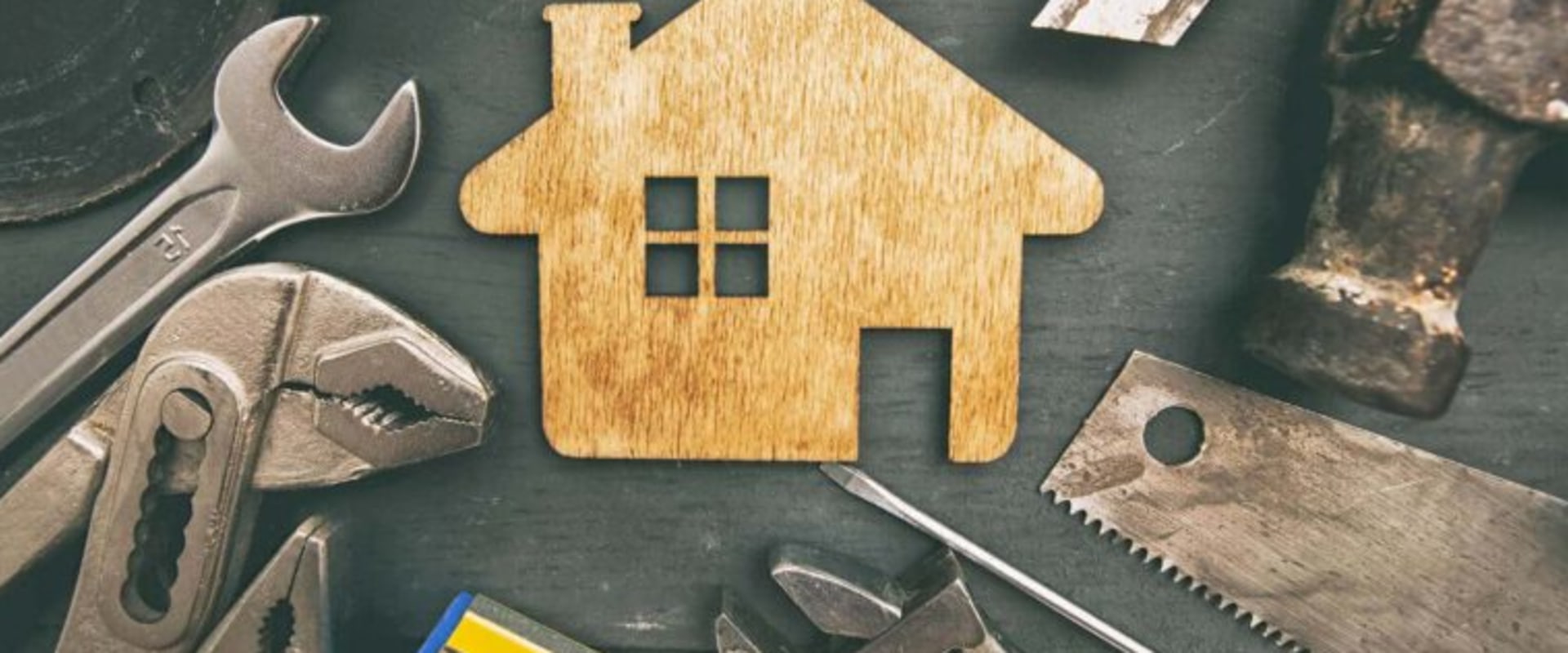
Maintaining a home is not just about aesthetics; it is a crucial aspect of ensuring the longevity and safety of your living environment.
Home maintenance
encompasses a wide range of tasks, from routine inspections to significant repairs, all aimed at preserving the integrity of your property. Neglecting these responsibilities can lead to more severe issues down the line, resulting in costly repairs and potential hazards for you and your family. As a homeowner, it is essential to be vigilant and proactive in identifying signs of home repairs. Many problems can develop subtly over time, often going unnoticed until they escalate into major concerns.For instance, water stains on ceilings or walls may indicate a leaky roof or plumbing issues that require immediate attention. Similarly, cracks in walls or uneven floors can signal foundational problems that could compromise the entire structure of your home. Understanding the importance of home construction and maintenance is vital for every homeowner. Regular upkeep not only enhances the aesthetic appeal of your property but also ensures that it remains a safe haven for you and your loved ones. By being aware of the common signs that indicate a need for repairs, you can take timely action to address these issues before they become overwhelming.
This proactive approach not only saves money but also provides peace of mind, knowing that your home is well cared for.
Common Signs of Structural Issues
Homeowners should be vigilant for common signs of structural issues that may indicate the need for repairs or maintenance. Recognising these signs early can prevent more extensive damage and costly repairs down the line. One of the most noticeable indicators of potential foundation problems is the presence of cracks in walls. These cracks can appear in various forms:- Vertical cracks: Often less concerning, these may occur due to normal settling.
- Horizontal cracks: These can indicate serious structural issues and should be assessed by a professional.
- Cracks around windows and doors: If you notice cracks forming around these areas, it may suggest shifting foundations.
Uneven flooring can result from foundation settling or damage, which requires immediate attention. Additionally, doors that stick or do not close properly can also signal structural issues. If you find that doors are misaligned or difficult to open and close, it may indicate that the frame has shifted due to foundation movement. Other indicators include:
- Bubbling or peeling paint: This can suggest moisture issues related to structural problems.
- Gaps between walls and ceilings: These gaps can indicate shifting in the structure.
Roof and Ceiling Indicators
When it comes to home construction and maintenance, the condition of your roof and ceilings is paramount. They serve as the first line of defence against the elements, and any signs of damage should be addressed promptly to avoid more extensive repairs.Common Signs of Roof Issues
- Missing or Damaged Shingles: If you notice shingles that are cracked, curled, or completely missing, it’s a clear indication that your roof may need immediate attention.
These issues can lead to leaks and further damage if not repaired.
- Granules in Gutters: If you find granules from asphalt shingles in your gutters, this could signify that your roof is deteriorating. This loss of granules can reduce the effectiveness of your roofing material.
- Leaks and Water Stains: One of the most telling signs of roof problems is water stains on your ceilings or walls. These stains often indicate that water is penetrating through the roof, which can lead to mould growth and structural damage.
Ceiling Damage Indicators
- Bubbling or Peeling Paint: If you notice paint that is bubbling or peeling on your ceilings, it may be a sign of moisture build-up due to a roof leak. This should be investigated as it can lead to more severe issues.
- Cracks in the Ceiling: While some cracks are normal due to settling, large or expanding cracks can indicate structural issues or water damage.
It’s essential to assess these cracks carefully.
- Mould Growth: The presence of mould on ceilings is a serious concern. It often indicates prolonged moisture exposure, which can stem from roof leaks or inadequate ventilation.
Plumbing Problems to Watch For
When it comes to home construction and maintenance, being vigilant about plumbing issues can save homeowners from costly repairs down the line. Here are some common signs that indicate your plumbing may need attention:- Slow Drains: If you notice that water is taking longer than usual to drain from sinks, tubs, or showers, this could be a sign of a blockage in the pipes.
Over time, this can lead to more serious plumbing issues.
- Water Stains: Look for water stains on ceilings, walls, or floors. These stains often indicate leaks in the plumbing system, which can cause significant damage if not addressed promptly.
- Unusual Noises: Pay attention to any strange sounds coming from your pipes, such as gurgling or banging noises. These sounds can suggest air trapped in the pipes or issues with water pressure.
- Increased Water Bills: A sudden spike in your water bill without a corresponding increase in usage may indicate a hidden leak somewhere in your plumbing system.
- Mould and Mildew: The presence of mould or mildew in areas like bathrooms or basements can be a clear indicator of excess moisture due to plumbing problems.
Electrical System Warning Signs
When it comes to home construction and maintenance, one of the most critical areas to monitor is the electrical system.Ignoring warning signs can lead to serious safety hazards, including electrical fires. Here are some common indicators that your home may need electrical repairs or maintenance:
- Flickering or Dimming Lights: If you notice that your lights flicker or dim when you turn on other appliances, it could indicate an overloaded circuit or faulty wiring.
- Tripped Circuit Breakers: Frequent tripping of circuit breakers is a sign that your electrical system is struggling to handle the load. This could be due to outdated wiring or too many devices drawing power from a single circuit.
- Burning Smells: A burning smell near outlets or switches is a serious warning sign. It may indicate overheating wires or components, which can lead to electrical fires.
- Buzzing Sounds: If you hear buzzing or crackling sounds from outlets or switches, it may suggest loose connections or damaged wiring that requires immediate attention.
- Discoloured Outlets: Outlets that are discoloured or have scorch marks are a clear indication of overheating and should be inspected by a professional.
- Inconsistent Power Supply: If certain outlets or fixtures only work intermittently, this could point to underlying issues with the wiring or connections.
If you notice any of these signs, it’s crucial to consult a qualified electrician who can assess the situation and perform necessary repairs. Addressing these issues promptly not only enhances safety but also prolongs the lifespan of your home’s electrical system.
Signs of Pest Infestation
Identifying signs of pest infestation in your home is crucial for maintaining both health and property integrity. Various indicators can signal the presence of unwanted guests, and being vigilant can help you address issues before they escalate.- Droppings: One of the most common signs of pest activity is the presence of droppings. Different pests leave distinct droppings; for instance, rodent droppings are small and pellet-shaped, while cockroach droppings are dark and oval.
Regularly inspecting areas like kitchens, basements, and attics can help you spot these telltale signs.
- Nests: Many pests, such as mice and ants, build nests in hidden areas of your home. Look for shredded materials like paper or fabric, which may indicate nesting sites. If you find nests in your home, it’s a clear sign that pest control measures are needed.
- Damage to Wood: Wood-destroying pests like termites can cause significant damage to your home’s structure. Look for hollowed-out wood or mud tubes along walls and foundations.
If you notice any soft or crumbling wood, it’s essential to consult a professional for an inspection.
- Unusual Sounds: Hearing scratching or scurrying noises in the walls or ceilings, especially at night, can indicate the presence of rodents. These sounds often signal that pests are active within your home.
- Food Contamination: If you find chewed packaging or food items that have been gnawed on, it’s a strong indicator of pest activity. Pests not only contaminate food but can also pose serious health risks.
Exterior Maintenance Indicators
Maintaining the exterior of your home is crucial not only for aesthetic appeal but also for preserving its value.Exterior maintenance indicators can often signal underlying issues that, if left unaddressed, may lead to more significant problems down the line.
Siding Issues
Your home’s siding is its first line of defence against the elements. Regularly inspect it for signs of wear and tear, such as:- Cracks or warping: These can allow moisture to seep in, leading to potential mould growth and structural damage.
- Peeling paint: This may indicate that the siding is absorbing water, which can compromise its integrity.
- Loose or missing panels: This not only affects the appearance but can also expose your home to pests and weather damage.
Garden Maintenance Needs
A well-maintained garden enhances your home’s curb appeal and overall value. Look out for:- Overgrown plants: These can obstruct pathways and detract from your home’s appearance. Regular trimming and pruning are essential.
- Weeds: Not only do they look unsightly, but they can also compete with your plants for nutrients and water.
- Pest infestations: Keep an eye out for signs of pests that can damage your plants and potentially spread to your home.
Regular inspections and timely repairs will not only enhance your property’s curb appeal but also protect its long-term value.
Seasonal Maintenance Checks
Regular seasonal maintenance checks are essential for ensuring the longevity and safety of your home. By conducting these checks, you can identify potential issues before they escalate into costly repairs. Here’s a comprehensive guide to help you stay on top of your home upkeep schedule throughout the year.Spring Maintenance Checklist
- Inspect the Roof: Look for missing or damaged shingles and check for any signs of leaks.
- Clean Gutters: Remove debris to ensure proper drainage and prevent water damage.
- Check Windows and Doors: Inspect seals and weather stripping to improve energy efficiency.
- Service HVAC Systems: Replace filters and schedule professional servicing to prepare for warmer months.
Summer Maintenance Checklist
- Inspect Outdoor Spaces: Check decks, patios, and fences for wear and tear.
- Maintain Landscaping: Trim trees and shrubs away from the house to prevent pest infestations.
- Test Smoke Alarms: Ensure all alarms are functioning properly as you spend more time indoors.
Autumn Maintenance Checklist
- Prepare Heating Systems: Have your boiler or furnace serviced before the cold sets in.
- Inspect Insulation: Check attic insulation to keep heating costs down during winter.
- Seal Cracks: Fill gaps around windows and doors to prevent drafts.
winter Maintenance Checklist
- Check for Ice Dams: Inspect your roof for ice buildup that can lead to leaks.
- Monitor Indoor Humidity: Use a humidifier if necessary to prevent wood damage and mould growth.
- Inspect Plumbing: Check pipes for insulation to avoid freezing during extreme cold spells.
FAQs About Home Repairs and Maintenance
Homeowners often have numerous questions regarding home repairs and maintenance.Here are some of the most frequently asked questions that can help clarify common concerns:
- What are the signs that my home needs repairs?
Look for visible signs such as peeling paint, water stains on ceilings or walls, and cracks in the foundation. Additionally, listen for unusual noises from plumbing or electrical systems, which may indicate underlying issues. - How often should I perform maintenance on my home?
Regular maintenance is crucial. It’s advisable to conduct a thorough inspection at least once a year, with seasonal checks for specific areas like gutters and heating systems before winter. - What are common areas that require maintenance?
Key areas include the roof, plumbing, electrical systems, and HVAC units. Regularly checking these components can prevent larger issues down the line. - How can I tell if I need to hire a professional?
If you encounter problems beyond your expertise or if repairs require specialised tools or knowledge, it’s best to consult a professional.Signs include persistent leaks, electrical issues, or structural concerns.
- What should I do if I find mould in my home?
Mould can pose serious health risks. If you discover mould, it’s essential to address it immediately. Small patches can often be cleaned with appropriate solutions, but larger infestations may require professional remediation.
Conclusion: The Importance of Timely Repairs
In conclusion, recognising the signs that a home may need repairs or maintenance is crucial for every homeowner.Timely intervention not only ensures the safety of the occupants but also protects the property value over time. Ignoring minor issues can lead to more significant problems, resulting in costly repairs and potential hazards.Throughout this article, we have highlighted several common indicators that suggest a home requires attention:
- Water damage, such as stains on ceilings or walls, can indicate leaks that need immediate repair.
- Cracks in walls or foundations may signal structural issues that should be assessed by a professional.
- Electrical problems, like flickering lights or frequently tripped circuits, can pose serious safety risks.
- Heating and cooling inefficiencies often point to issues with insulation or HVAC systems that require maintenance.
- Pest infestations can lead to extensive damage if not addressed promptly.
A well-maintained home is not just a place of comfort; it is an asset that reflects your commitment to preserving its integrity and value.