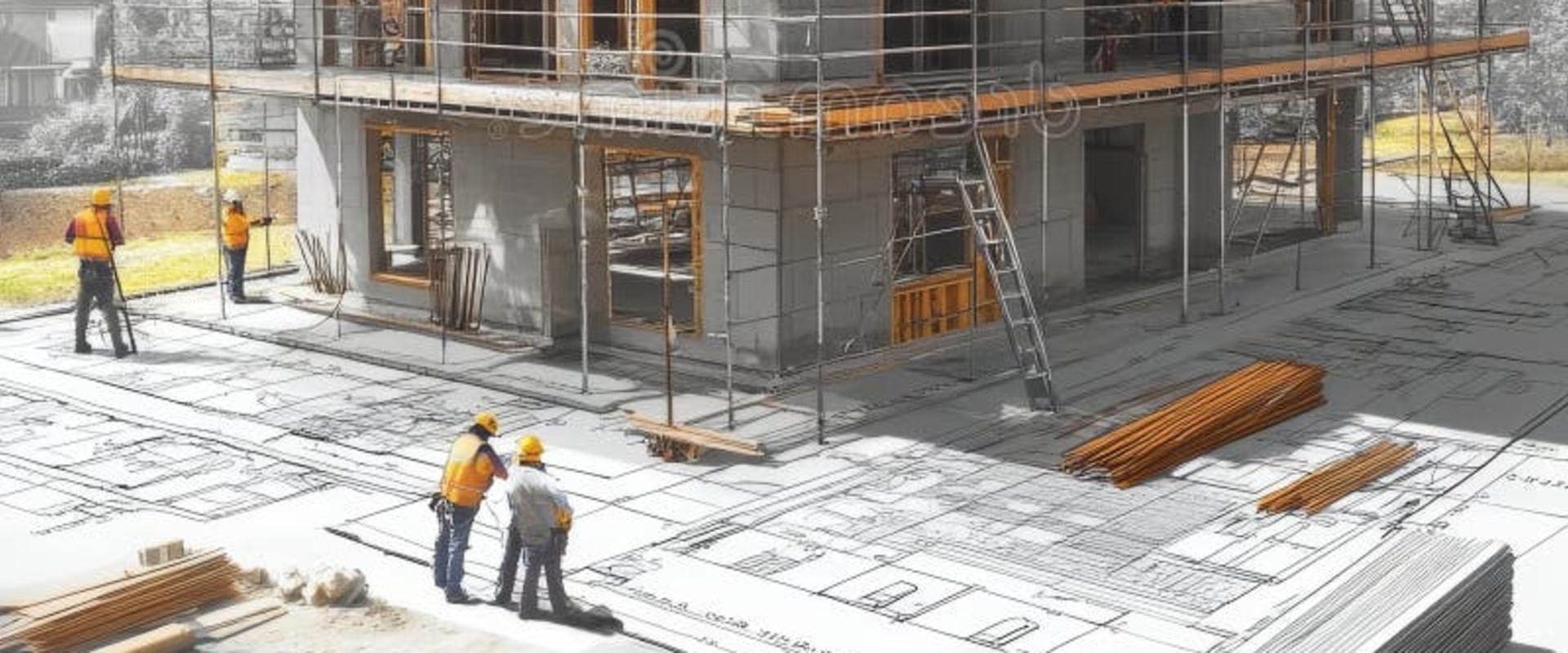
When embarking on a journey of home construction, understanding the various construction materials available is crucial. These materials not only define the aesthetic appeal of a home but also significantly influence its durability, energy efficiency, and overall maintenance requirements. From the foundation to the roof, each component plays a vital role in ensuring that the structure stands the test of time while providing comfort and safety to its inhabitants. Exploring different roofing styles can further enhance both functionality and design. The choice of available is crucial. These materials not only define the aesthetic appeal of a home but also significantly influence its durability, energy efficiency, and overall maintenance requirements. From the foundation to the roof, each component plays a vital role in ensuring that the structure stands the test of time while providing comfort and safety to its inhabitants. Exploring different roofing styles can further enhance both functionality and design. The choice of building materials can vary widely based on factors such as climate, budget, and personal preference.
Traditional options like brick and timber have been staples in construction for centuries, offering both strength and versatility. However, modern advancements have introduced innovative materials such as steel and concrete composites, which provide enhanced structural integrity and sustainability. Understanding these options is essential for homeowners looking to make informed decisions that align with their vision and values. Moreover, the methods employed in construction are equally important as they dictate how these materials are utilised. Techniques such as modular construction or sustainable building practices can significantly impact the efficiency of the building process and the environmental footprint of a new home.
As we delve deeper into this topic, we will explore various materials used in home construction, their unique properties, and how they contribute to effective home maintenance.
Insulation Materials for Energy Efficiency
When it comes to home construction and maintenance, the choice of insulation materials plays a crucial role in enhancing energy efficiency and ensuring comfort within the home. Proper insulation helps to regulate indoor temperatures, reducing the need for heating and cooling systems, which in turn lowers energy bills.Here are some common types of insulation materials:- Fiberglass Insulation: This is one of the most widely used insulation materials. It consists of tiny glass fibers and is available in batts, rolls, or loose-fill forms. Fiberglass is non-combustible and resistant to moisture, making it an excellent choice for various areas of the home.
- Foam Board Insulation: Foam board insulation is made from rigid panels of foam that provide a high insulating value with minimal thickness.
It is particularly effective for insulating walls, roofs, and foundations. Its lightweight nature makes it easy to handle during installation.
- Spray Foam Insulation: This type of insulation expands on application, filling gaps and creating an airtight seal. Spray foam is highly effective at preventing air leaks, which significantly enhances thermal insulation. It can be used in walls, attics, and even around windows and doors.
For instance, while fiberglass is cost-effective and widely available, spray foam offers superior air sealing capabilities. Choosing the right insulation material depends on various factors including budget, climate, and specific areas of the home that require insulation.In conclusion, investing in quality insulation materials not only improves energy efficiency but also contributes to a more comfortable living environment. Homeowners should consider their options carefully to ensure they select the best materials for their specific needs.
Exterior Finishing Materials
When it comes to home construction and maintenance, the choice of exterior finishing materials plays a crucial role in both aesthetics and durability. Homeowners have a variety of options to consider, each with its own set of benefits and drawbacks.Brick
Brick is a timeless choice for exterior finishing, known for its strength and longevity.It offers excellent insulation properties, helping to regulate indoor temperatures. Additionally, brick requires minimal maintenance, making it a practical option for homeowners looking for durability. Its natural appearance can enhance the curb appeal of any property.
Vinyl Siding
Vinyl siding has gained popularity due to its affordability and versatility. Available in a wide range of colours and styles, it can mimic the look of wood or other materials without the associated upkeep.Vinyl is resistant to rot and insects, making it a low-maintenance option. However, it may not provide the same level of insulation as brick.
Roofing Materials
The choice of roofing materials is equally important in home construction. Options such as asphalt shingles, metal roofing, and slate tiles each offer unique advantages:- Asphalt Shingles: Cost-effective and easy to install, asphalt shingles are the most common roofing material. They come in various colours and styles but may require replacement every 15-30 years.
- Metal Roofing: Known for its durability and energy efficiency, metal roofing can last 50 years or more.
It reflects heat, which can help reduce cooling costs in warmer climates.
- Slate Tiles: While more expensive, slate tiles provide an elegant look and exceptional longevity. They are fire-resistant and can last over a century with proper maintenance.
Interior Finishing Materials
When it comes to home construction and maintenance, the choice of interior finishing materials plays a crucial role in both aesthetics and functionality. These materials not only enhance the visual appeal of a space but also contribute to its durability and comfort.Drywall Options
One of the most common materials used for interior walls is drywall.It is available in various types, including:
- Standard Drywall: Ideal for most interior applications, providing a smooth surface for painting.
- Moisture-Resistant Drywall: Perfect for areas prone to humidity, such as bathrooms and kitchens.
- Fire-Resistant Drywall: Used in areas where fire safety is a concern, offering enhanced protection.
Flooring Types
The flooring you select is another vital aspect of interior finishing. Various options cater to different styles and practical needs:- Hardwood Flooring: Known for its timeless beauty and durability, hardwood adds warmth to any room.
- Laminated Flooring: A cost-effective alternative that mimics the look of wood while being easier to maintain.
- Tile Flooring: Ideal for high-moisture areas, tiles are versatile and come in numerous designs.
- Carpet: Provides comfort and insulation, making it a popular choice for bedrooms and living areas.
Sustainable and Eco-Friendly Building Materials
As the demand for environmentally responsible construction practices grows, sustainable building materials have become a focal point in the industry. These materials not only reduce the environmental impact of home construction but also promote healthier living spaces.One of the most popular sustainable materials is bamboo.Known for its rapid growth and strength, bamboo is a renewable resource that can be harvested without causing significant damage to the ecosystem. Its versatility allows it to be used in flooring, cabinetry, and even structural elements.Another excellent option is recycled steel. This material is often sourced from old buildings and vehicles, significantly reducing the need for new raw materials. Using recycled steel not only conserves energy but also minimizes waste in landfills.
Its durability and resistance to pests make it an ideal choice for framing and roofing.
Rammed earth
is also gaining traction as a sustainable building material. This ancient technique involves compacting soil into forms to create solid walls. Rammed earth structures are highly energy-efficient, providing excellent thermal mass that helps regulate indoor temperatures. Additionally, they blend seamlessly with natural landscapes, promoting a harmonious relationship between the built environment and nature.Incorporating these eco-friendly construction materials into home building not only supports green building practices but also contributes to a more sustainable future.Homeowners and builders alike are increasingly recognising the importance of making informed choices that benefit both the planet and their communities.As we move towards a more sustainable future, embracing these innovative materials will play a crucial role in shaping the homes of tomorrow.
Common FAQs About Home Construction Materials
When it comes to home construction, understanding the materials used is crucial for making informed decisions. Here are some common questions regarding building materials:What are the most commonly used materials in home construction?
The most prevalent materials include:- Wood: Often used for framing, flooring, and cabinetry due to its versatility and aesthetic appeal.
- Brick: Known for its durability and thermal efficiency, brick is a popular choice for exterior walls.
- Concrete: Utilised for foundations, walls, and driveways, concrete is valued for its strength and longevity.
- Steel: Increasingly used in modern construction for structural support due to its strength-to-weight ratio.
- Glass: Commonly used in windows and facades, glass enhances natural light and aesthetic value.
How do I choose the right materials for my home?
Selecting the appropriate materials depends on several factors:- Climate: Consider materials that perform well in your local weather conditions.
- Budget: Assess the cost of materials and their long-term maintenance expenses.
- Aesthetics: Choose materials that align with your design vision and personal style.
- Sustainability: Opt for eco-friendly materials that reduce environmental impact.
Are there any new trends in home construction materials?
Yes, several innovative materials are gaining popularity:- Sustainable materials: Bamboo and reclaimed wood are becoming favoured for their eco-friendly properties.
- Smart materials: These include energy-efficient windows and self-healing concrete that enhance building performance.
- Modular components: Prefabricated sections are increasingly used to speed up construction time and reduce waste.
Conclusion: Key Takeaways on Home Construction Materials
In conclusion, understanding the various materials used in home construction is crucial for anyone involved in building or maintaining a home. Each material offers unique benefits and challenges that can significantly impact the overall quality, durability, and aesthetic appeal of a property.Here are some key takeaways regarding common construction materials:- Brick: Known for its strength and thermal efficiency, brick is a popular choice for both structural and decorative purposes.
- Concrete: This versatile material is essential for foundations, walls, and driveways, providing excellent durability and resistance to weather conditions.
- Wood: Often favoured for its natural beauty and insulation properties, wood is commonly used in framing, flooring, and cabinetry.
- Steel: Increasingly used in modern construction, steel offers exceptional strength and flexibility, making it ideal for large structures.
- Glass: Utilised for windows and facades, glass enhances natural light and can improve energy efficiency when properly installed.
Understanding these nuances allows homeowners to make informed decisions that align with their budget and lifestyle.Ultimately, whether you are embarking on a new build or undertaking renovations, being knowledgeable about home construction materials will empower you to create a safe, sustainable, and aesthetically pleasing living environment.