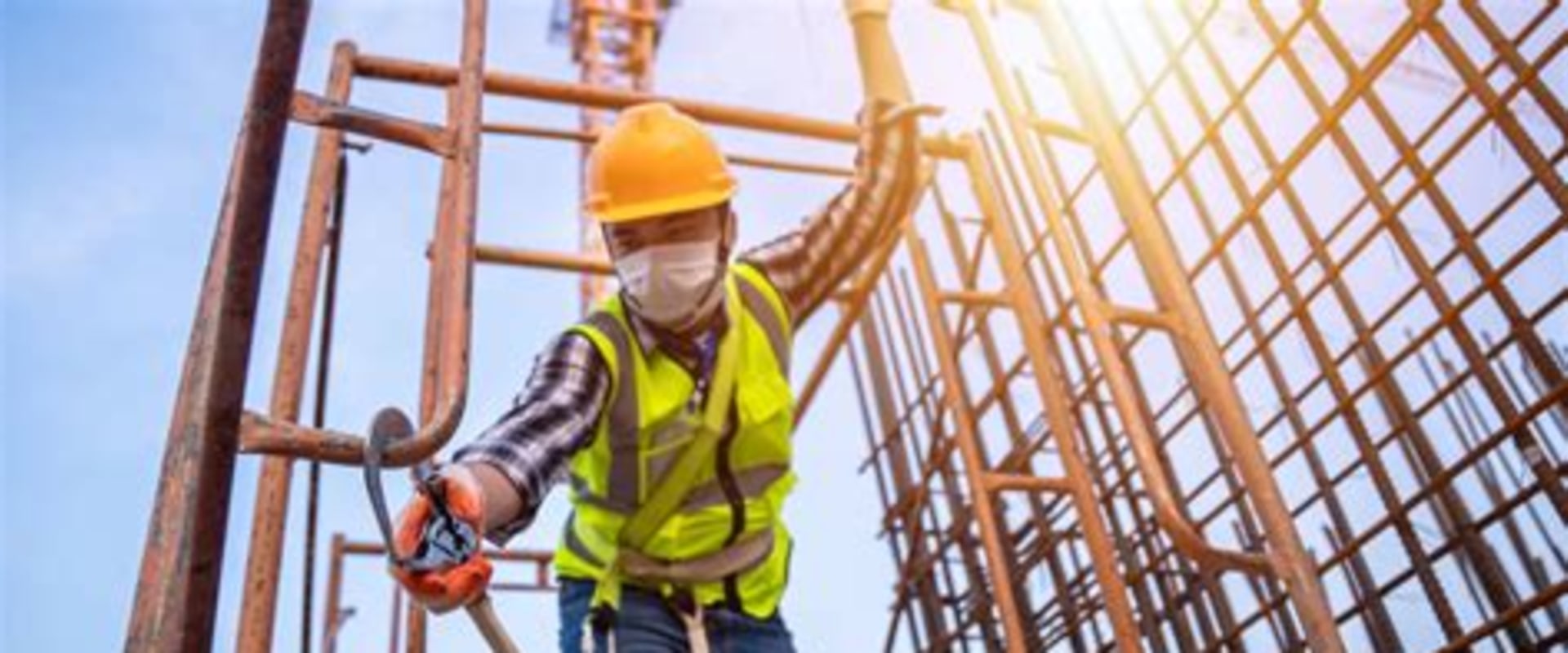
When it comes to home construction and maintenance, the significance of implementing robust safety measures cannot be overstated. Engaging in maintenance tasks around the home can often involve risks, from handling heavy materials to using power tools. Understanding the importance of safety in these situations is crucial not only for protecting oneself but also for ensuring that the home remains a safe environment for all its occupants. Many homeowners underestimate the potential hazards associated with routine maintenance activities. Whether it’s climbing a ladder to clean gutters or performing electrical repairs, each task carries its own set of risks.
By prioritising home maintenance safety, individuals can mitigate these dangers effectively. This involves not just wearing appropriate personal protective equipment (PPE) but also being aware of one’s surroundings and understanding the tools and materials being used. Moreover, the implications of neglecting safety measures extend beyond personal injury; they can also lead to costly damages and prolonged repair times. A single oversight during a maintenance task can result in significant setbacks, both financially and in terms of time. Therefore, establishing a culture of safety within home maintenance practices is essential.
This section will delve deeper into specific guidelines and strategies that can help homeowners navigate their maintenance tasks safely and efficiently.
Preparing for Home Maintenance Tasks
Before embarking on any home maintenance task, proper preparation is essential to ensure both safety and efficiency. Taking the time to plan your approach can significantly reduce the risk of accidents and improve the quality of your work.Gathering the Right Tools
- Start by compiling a list of tools you will need for the specific maintenance task at hand. Common tools include:
- Hammer
- Screwdrivers (both flathead and Phillips)
- Pliers
- Wrenches
- Measuring tape
- Level
- Utility knife
- Ensure that all tools are in good working condition. Check for any signs of wear or damage that could lead to accidents.
Creating a Safe Work Environment
- Clear the area where you will be working.
Remove any obstacles that could cause trips or falls.
- If working indoors, ensure adequate ventilation, especially if using chemicals or paints.
- Wear appropriate personal protective equipment (PPE), such as gloves, goggles, and masks, to protect yourself from potential hazards.
Planning Your Repairs
- Before starting, take a moment to plan out your repairs. Consider the following:
- What is the scope of the work? Break down larger tasks into manageable steps.
- How long do you expect each task to take? This will help you allocate your time effectively.
- Are there any specific safety measures required for the task? For example, if working on electrical systems, ensure power is turned off at the source.
Personal Protective Equipment (PPE) Essentials
When engaging in home maintenance or construction projects, the importance of Personal Protective Equipment (PPE) cannot be overstated. Proper safety gear is essential to protect yourself from potential hazards that can arise during DIY tasks.Here are some key types of PPE that should be considered:
- Hard Hats: Essential for protecting your head from falling objects, especially in construction environments.
- Safety Glasses: These are crucial for shielding your eyes from dust, debris, and harmful chemicals. Always opt for glasses that meet safety standards.
- Ear Protection: If you are using loud power tools, earplugs or earmuffs can help prevent hearing damage.
- Respirators: When working with materials that produce dust or fumes, such as paint or insulation, a respirator can protect your lungs from harmful particles.
- Gloves: Depending on the task, different types of gloves can protect your hands from cuts, abrasions, and chemicals. Choose gloves that are appropriate for the specific job at hand.
- Steel-Toed Boots: These provide essential foot protection against heavy objects and sharp tools, reducing the risk of injury significantly.
Regularly inspect your PPE for any signs of wear and tear, replacing items as necessary to maintain optimal safety standards. By prioritising the use of appropriate PPE, you not only safeguard your well-being but also enhance your overall efficiency during home construction and maintenance. Remember, taking the time to equip yourself with the right safety gear is a small investment that can prevent serious injuries and ensure a successful project outcome.
Safe Use of Tools and Equipment
When engaging in home construction and maintenance, the safe use of tools and equipment is paramount to prevent accidents and injuries. Here are some essential guidelines to follow:General Tool Safety Tips
- Read the Manual: Always familiarise yourself with the manufacturer's instructions before using any tool.
- Inspect Tools: Regularly check tools for any signs of damage or wear. Replace or repair any faulty equipment immediately.
- Use the Right Tool: Ensure you are using the appropriate tool for the job to avoid unnecessary strain or accidents.
- Keep Work Area Clean: A tidy workspace reduces the risk of tripping and allows for better focus on the task at hand.
Using Power Tools Safely
- Wear Protective Gear: Always use safety goggles, gloves, and ear protection when operating power tools.
- Check Cords and Plugs: Inspect electrical cords for frays or damage before plugging in power tools.
Avoid using tools with damaged cords.
- Maintain a Firm Grip: Ensure you have a secure hold on power tools to maintain control during operation.
- Disconnect When Not in Use: Unplug power tools when changing bits or blades, or when they are not in use to prevent accidental activation.
Equipment Safety in Home Maintenance
- Use Ladders Properly: Always position ladders on stable ground and maintain three points of contact when climbing.
- Store Equipment Safely: Keep tools and equipment stored in a dry, secure place to prevent accidents and ensure longevity.
- Avoid Distractions: Stay focused on your task; distractions can lead to mistakes and injuries.
Electrical Safety Precautions
When it comes to home construction and maintenance, ensuring electrical safety is paramount. Working with electricity can be hazardous, and taking the right precautions can prevent serious accidents, including electric shocks and fires. Here are some essential safety measures to consider:- Turn Off Power: Before starting any electrical work, always switch off the power at the circuit breaker.
Use a voltage tester to confirm that the circuit is dead.
- Use Proper Tools: Ensure you have insulated tools designed for electrical work. This reduces the risk of accidental shocks.
- Wear Protective Gear: Use rubber-soled shoes and gloves to provide an extra layer of protection against electrical currents.
- Avoid Wet Conditions: Never work on electrical systems in wet or damp conditions, as water is a conductor of electricity and increases the risk of shock.
- Check for Overloaded Circuits: Regularly inspect your home’s electrical system for overloaded circuits, which can lead to overheating and fires. If you notice flickering lights or tripped breakers, consult a professional.
- Use GFCI Outlets: Ground Fault Circuit Interrupter (GFCI) outlets should be installed in areas prone to moisture, such as kitchens and bathrooms, to prevent shocks.
- Label Circuits: Clearly label your circuit breaker panel to identify which switches control specific areas of your home. This helps in quickly turning off power when needed.
If you are unsure about any aspect of electrical maintenance, it’s always best to consult a qualified electrician. They can provide expert advice and ensure that all work complies with safety standards.By following these electrical maintenance tips, you can significantly reduce the risks associated with working on your home’s electrical systems, ensuring a safer environment for you and your family.
Working at Heights: Safety Guidelines
When undertaking home construction and maintenance tasks that require working at heights, it is crucial to adhere to specific safety guidelines to prevent accidents and injuries. Whether you are using a ladder, scaffolding, or performing roof maintenance, following these precautions can ensure a safer working environment.Ladder Safety Tips
- Choose the Right Ladder: Ensure that the ladder is appropriate for the task at hand. For instance, use a step ladder for indoor tasks and an extension ladder for outdoor work.
- Inspect Before Use: Always check the ladder for any damage or wear before climbing.
Look for cracks, loose rungs, or any signs of instability.
- Set Up on Stable Ground: Position the ladder on a flat, stable surface. Avoid placing it on uneven ground or slippery surfaces.
- Maintain Three Points of Contact: When climbing or descending, always keep two hands and one foot, or two feet and one hand in contact with the ladder.
- Don’t Overreach: Keep your body centred on the rungs and avoid leaning too far to one side, as this can cause the ladder to tip over.
Roof Maintenance Precautions
- Wear Appropriate Gear: Use non-slip shoes and consider wearing a safety harness when working on roofs to prevent falls.
- Check Weather Conditions: Avoid performing roof maintenance during adverse weather conditions such as rain, snow, or high winds that can increase the risk of slipping.
- Use Guardrails: If possible, install guardrails around the edge of the roof to provide additional protection against falls.
- Have a Spotter: When working at heights, having someone on the ground can help monitor your safety and assist in case of an emergency.
Handling Hazardous Materials Safely
When undertaking home maintenance, it is crucial to be aware of the potential hazards posed by various materials. Many common household products and construction materials can be hazardous if not handled properly.This section will provide essential guidelines for the safe handling and disposal of these materials.
Hazardous materials
often found in home maintenance include paints, solvents, pesticides, and asbestos. Each of these substances requires specific precautions to ensure safety.Safe Handling of Chemicals
- Read Labels: Always read the labels on chemical products for safety instructions and warnings.
- Use Personal Protective Equipment (PPE): Wear gloves, goggles, and masks as recommended to protect against exposure.
- Work in Ventilated Areas: Ensure that the area is well-ventilated to avoid inhaling harmful fumes.
- Store Properly: Keep hazardous materials in their original containers and store them out of reach of children and pets.
Asbestos Safety Tips
If your home was built before the 1980s, it may contain asbestos, a material known for its fire-resistant properties but also linked to serious health risks. Here are some tips for handling asbestos safely:- Avoid Disturbance: Do not attempt to remove or disturb asbestos-containing materials unless you are trained.
- Hire Professionals: If you suspect the presence of asbestos, hire certified professionals for inspection and removal.
- Follow Regulations: Adhere to local regulations regarding asbestos handling and disposal.
Emergency Preparedness and First Aid Basics
When engaging in home construction and maintenance, it is crucial to prioritise emergency preparedness and have a solid understanding of basic first aid.Accidents can happen unexpectedly, and being equipped to handle them can make a significant difference.
Emergency Preparedness for DIY Projects
Before starting any DIY project, take the time to prepare for potential emergencies. Here are some essential steps:- Assess the Risks: Identify potential hazards associated with your project, such as working with power tools or climbing ladders.
- Create an Emergency Plan: Outline what to do in case of an accident. Ensure all family members are aware of the plan.
- Keep Emergency Supplies Handy: Have a well-stocked first aid kit accessible in your workspace, including bandages, antiseptic wipes, and pain relief medication.
First Aid for Home Accidents
Understanding basic first aid can be invaluable during home maintenance tasks. Here are some common scenarios and how to respond:- Cuts and Scrapes: Clean the wound with soap and water, apply an antiseptic, and cover it with a sterile bandage.
- Burns: For minor burns, cool the area under running water for at least 10 minutes.
Cover with a clean, non-stick dressing.
- Sprains and Strains: Rest the injured area, apply ice wrapped in a cloth, compress with a bandage, and elevate if possible.
Emergency Contacts for Home Maintenance
Having a list of emergency contacts readily available can save precious time during a crisis. Consider including:- Your local emergency services number (e.g., 999 in the UK).
- The nearest hospital or urgent care facility.
- A trusted neighbour or friend who can assist in case of an emergency.
Common FAQs About Home Maintenance Safety
When it comes to home maintenance safety, many homeowners have questions about the best practices to ensure their well-being during DIY projects. Here are some common FAQs that can help clarify important safety measures.- What personal protective equipment (PPE) should I use?
When performing maintenance tasks, it’s essential to wear appropriate PPE. This includes safety goggles to protect your eyes from debris, gloves to shield your hands from sharp objects and chemicals, and a dust mask or respirator if you’re working with materials that produce harmful dust or fumes. - How can I prevent falls while working at heights?
Falls are a significant risk during home repairs.Always use a sturdy ladder and ensure it is placed on a flat surface. Consider using a harness if you’re working on a roof or elevated area. Additionally, never overreach while on a ladder; instead, climb down and reposition the ladder as needed.
- What should I do if I encounter electrical issues?
Electrical safety is paramount. Always turn off the power at the circuit breaker before starting any electrical work.If you’re unsure about handling electrical repairs, it’s best to consult a qualified electrician to avoid risks of shock or fire.
- Are there specific safety measures for using power tools?
Yes, always read the manufacturer’s instructions before using any power tool. Ensure you are familiar with its operation and wear appropriate PPE. Keep your workspace tidy to avoid tripping hazards and never operate tools when fatigued. - How can I safely handle hazardous materials?
If your maintenance involves hazardous materials like paint or solvents, always work in a well-ventilated area. Use gloves and masks as necessary, and follow disposal guidelines for any waste materials to prevent environmental contamination.
Always prioritise safety to ensure that your DIY projects are not only successful but also secure.
Conclusion: Prioritising Safety in Home Maintenance and Construction
In conclusion, prioritising safety during home maintenance and construction is not merely a recommendation; it is an essential practice that protects both the individual performing the work and the integrity of the home itself. Throughout this article, we have explored various safety measures that should be at the forefront of any maintenance task. Firstly, always ensure that you are equipped with the right personal protective equipment (PPE). This includes items such as gloves, goggles, and hard hats, which can significantly reduce the risk of injury. Additionally, understanding how to use tools safely and effectively is crucial.Familiarise yourself with the equipment before starting any project. Moreover, it is vital to assess your work environment. Ensure that the area is clear of hazards and that you have adequate lighting. If working at heights, use appropriate ladders or scaffolding and never compromise on stability. Another key aspect is to follow proper procedures for handling materials and chemicals. Always read labels and safety data sheets to understand potential risks associated with substances you may encounter during maintenance tasks. Finally, don’t hesitate to seek professional help when a task exceeds your skill level or poses significant risks.
Engaging qualified professionals not only ensures safety but also guarantees that the work is completed to a high standard. By implementing these safety measures, you can create a safer environment for yourself and others while maintaining your home effectively. Remember, safety should always be your top priority in home construction and maintenance.