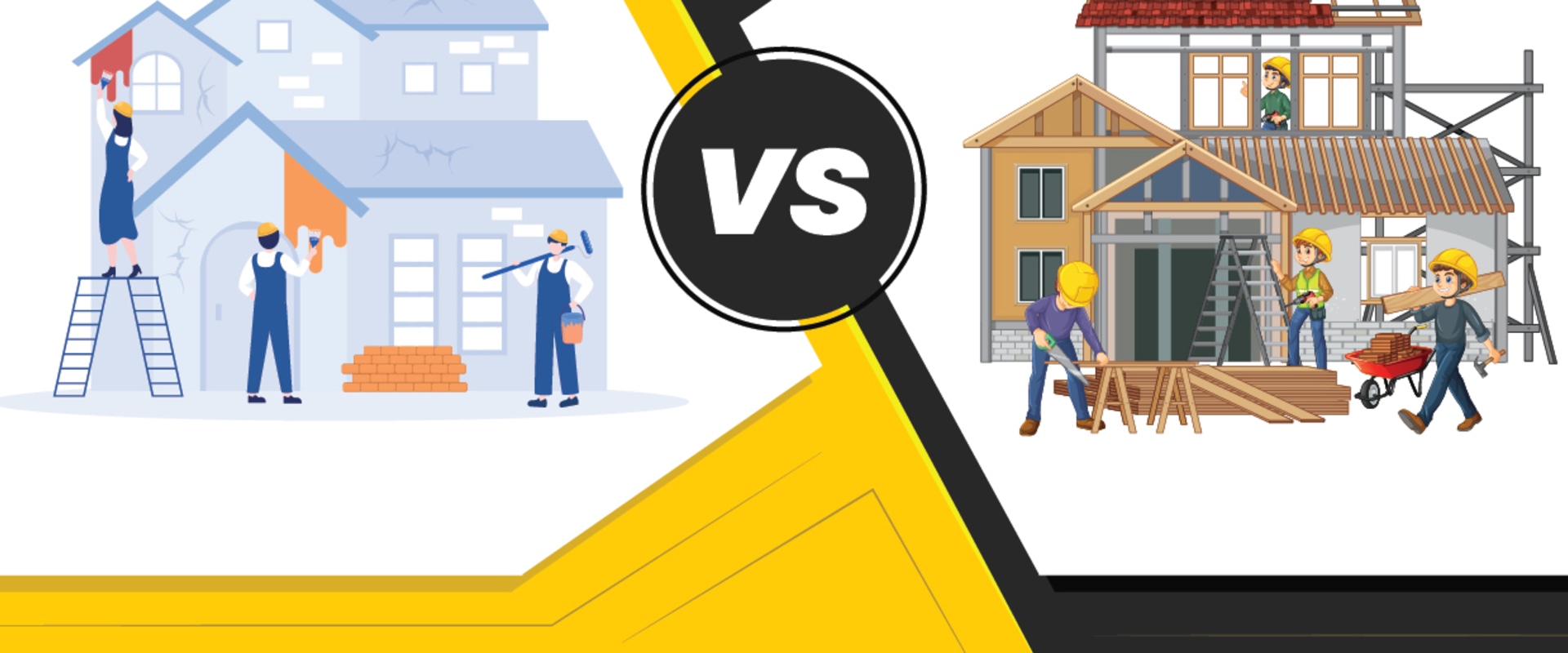
When it comes to home construction and maintenance, homeowners often face a pivotal decision: should they build a new home from the ground up or renovate an existing property? Each option presents its own unique set of challenges and rewards, making it essential for prospective homeowners to understand the key differences between these two approaches. This understanding not only aids in making informed decisions but also helps in aligning expectations with reality. Building a new home typically offers the advantage of customisation, allowing homeowners to design their dream space tailored to their specific needs and preferences. From choosing the layout to selecting materials, the possibilities are nearly endless. In contrast, renovating an existing home often involves working within the constraints of the current structure, which can limit design choices but may also provide opportunities to preserve historical elements or enhance character. Moreover, the financial implications of each option can vary significantly.
New construction often requires a larger initial investment, but it may lead to lower maintenance costs in the long run due to modern building standards and energy-efficient technologies. On the other hand, renovations can sometimes be more budget-friendly upfront but may uncover hidden issues that could escalate costs unexpectedly. Understanding these nuances is crucial for homeowners as they navigate their journey in home construction and maintenance.
Understanding Home Construction
When considering home construction, understanding the process of building a new home is essential. The journey typically begins with selecting a suitable plot of land, followed by designing the home to meet your specific needs and preferences.This phase often involves working with architects and builders to create blueprints that reflect your vision.Once the design is finalised, the construction process can commence. This includes several key stages:
- Site Preparation: Clearing the land, grading, and ensuring proper drainage.
- Foundation Work: Laying a solid foundation is crucial for the stability of the home.
- Framing: Constructing the skeleton of the house, which includes walls, floors, and roof structures.
- Utilities Installation: Installing plumbing, electrical systems, and HVAC (heating, ventilation, and air conditioning).
- Interior and Exterior Finishing: This includes insulation, drywall, flooring, and exterior cladding.
- Final Inspection: Ensuring everything meets local building codes before moving in.
Additionally, new builds often incorporate modern energy-efficient technologies and materials, which can lead to significant savings on utility bills over time.Moreover, new homes typically require less maintenance in the initial years compared to older properties. With new appliances and systems installed, homeowners can enjoy peace of mind knowing that they are less likely to face unexpected repairs or renovations shortly after moving in.In summary, understanding the home construction process is vital for anyone considering building a new home. The ability to customise your living space combined with modern efficiencies makes new builds an attractive option for many homeowners.
Exploring Home Renovation
Home renovation is a multifaceted process that allows homeowners to breathe new life into their existing properties. It can range from minor updates to extensive remodels, each with its own set of challenges and rewards.Types of Renovations
- Cosmetic Renovations: These include painting, flooring updates, and landscaping.
They are often the least invasive and can significantly enhance the aesthetic appeal of a home.
- Structural Renovations: This type involves altering the layout or structure of a home, such as removing walls or adding extensions. These projects typically require professional assistance and may involve obtaining permits.
- Functional Renovations: Upgrades to improve the functionality of spaces, such as kitchen remodels or bathroom upgrades, fall under this category. These renovations can greatly enhance the usability of a home.
Benefits of Renovation
Renovating an existing home offers numerous advantages:- Increased Property Value: Well-executed renovations can significantly boost the market value of a property, making it a worthwhile investment.
- Personalisation: Homeowners have the opportunity to tailor their living spaces to better suit their tastes and lifestyles, creating a more comfortable environment.
- Energy Efficiency: Many renovations focus on improving energy efficiency through better insulation, windows, and appliances, leading to long-term savings on utility bills.
Common Challenges Faced During Renovations
While the benefits are substantial, homeowners should also be aware of potential challenges:- Budget Overruns: Costs can escalate quickly if not properly managed, making it essential to set a realistic budget and stick to it.
- Time Delays: Renovation projects often take longer than anticipated due to unforeseen issues or delays in obtaining materials.
- Disruption: Living in a home during renovations can be inconvenient and disruptive, requiring careful planning to minimise impact on daily life.
Key Differences Between Building New Homes and Renovating Existing Ones
When considering home construction and maintenance, understanding the key differences between building a new home and renovating an existing one is crucial for making informed decisions. Each option presents unique advantages and challenges that can significantly impact your overall experience and investment.Cost Considerations
One of the most significant differences lies in the cost.Building a new home typically involves higher upfront expenses, including land acquisition, permits, and construction materials. However, it allows for a more predictable budget as you can plan for all costs from the outset. In contrast, renovations can often lead to unexpected costs due to hidden issues within the existing structure, such as outdated plumbing or electrical systems.
Timeframes
The timeframe for completion also varies greatly between the two options. New builds generally take longer to complete due to the entire construction process, which can span several months to over a year.Renovations may be quicker, especially if they involve cosmetic changes rather than structural alterations. However, unforeseen complications can extend renovation timelines significantly.
Design Flexibility and Customisation
In terms of design flexibility, building a new home offers unparalleled opportunities for customisation. You have the freedom to choose layouts, materials, and finishes that suit your personal style and needs. Renovating an existing home may limit your options based on the current structure and layout, but it can also provide a unique opportunity to preserve historical elements or character that new builds lack.Environmental Impact
From an environmental perspective, renovations can be more sustainable as they often reuse existing materials and reduce waste.New builds, while potentially incorporating modern energy-efficient technologies, require significant resources for construction.Ultimately, the decision between building a new home and renovating an existing one depends on your specific circumstances, including budget, timeline, and personal preferences. Weighing these factors carefully will help you choose the best path for your home construction and maintenance journey.
Cost Considerations in Home Construction and Renovation
When considering home construction and maintenance, understanding the financial implications of building a new home versus renovating an existing one is crucial. Each option comes with its own set of costs that can significantly impact your budget.Cost of Building a New Home
Building a new home typically involves higher upfront costs. On average, the cost of constructing a new home in the UK can range from £1,500 to £3,000 per square metre, depending on various factors such as location, materials, and design complexity.This figure can escalate quickly when you factor in additional expenses like:
- Land acquisition: The price of land varies widely based on location.
- Planning permissions: Securing the necessary permits can incur additional costs.
- Utilities and infrastructure: Connecting to water, electricity, and sewage systems can add to your budget.
Renovation Costs
In contrast, renovation costs can be more variable. While minor renovations may start at around £500 per square metre, extensive remodels or structural changes can push costs upwards of £2,000 per square metre. Key factors influencing renovation expenses include:- Scope of work: The extent of the renovation will greatly affect the overall cost.
- Unexpected issues: Older homes may present hidden problems such as outdated wiring or plumbing that require additional funds.
- Design choices: High-end finishes and custom designs can significantly increase your budget.
Budgeting for Construction or Renovation
No matter which path you choose, effective budgeting is essential. Here are some tips to help you manage your finances:- Create a detailed plan: Outline all expected costs and include a contingency fund of at least 10-20% for unexpected expenses.
- Research thoroughly: Get multiple quotes from contractors and suppliers to ensure competitive pricing.
- Prioritise needs over wants: Focus on essential features first before considering luxury upgrades.
Timeframes: Building vs Renovating
When considering home construction and maintenance, one of the most significant factors to evaluate is the timeframe involved in either building a new home or renovating an existing property.Understanding these timelines can help homeowners make informed decisions and manage expectations throughout the process.
Time to Build a House
Typically, the time required to build a new house can range from six months to over a year, depending on various factors such as the size of the home, complexity of the design, and local regulations. The construction process generally follows these stages:- Planning and Permitting: This initial phase can take several weeks to months, as it involves obtaining necessary permits and finalising designs.
- Site Preparation: Clearing the land and preparing the foundation usually takes a few weeks.
- Construction: The actual building phase, including framing, roofing, and interior work, can take anywhere from three to nine months.
- Finishing Touches: Final inspections and landscaping may add additional weeks to the timeline.
Renovation Timelines
In contrast, renovating an existing home often presents a different set of challenges and timelines. Renovation projects can vary widely in duration based on the scope of work. Minor updates like painting or replacing fixtures may only take a few days, while major renovations such as adding extensions or remodelling kitchens can extend from three months to over a year.- Assessment and Planning: Similar to new builds, this phase involves evaluating the current structure and planning renovations, which can take several weeks.
- Demolition and Structural Work: If significant changes are needed, this stage can take weeks to months depending on the extent of the work.
- Finishing Work: This includes installing new fixtures, flooring, and painting, which may take several weeks.
Project Duration Comparison
The key difference in timelines between building a new home and renovating an existing one often lies in the unpredictability of renovations.Unforeseen issues such as structural problems or outdated electrical systems can lead to delays. In contrast, new builds typically follow a more predictable schedule once construction begins. Therefore, effective project management is crucial in both scenarios to ensure timely completion.Ultimately, whether you choose to build or renovate, understanding these timelines will help you plan better and achieve your desired outcomes in your home construction and maintenance journey.
Design Flexibility: Customisation in New Builds vs Renovations
When it comes to home construction and maintenance, one of the most significant factors influencing a homeowner's decision is the level of design flexibility available. This flexibility varies considerably between building a new home and renovating an existing one.Design Options for New Homes
- New builds offer a blank canvas, allowing homeowners to create a space that perfectly aligns with their vision and lifestyle.
- Architectural styles can be tailored to personal preferences, whether it’s a modern minimalist design or a traditional cottage aesthetic.
- Homeowners can select materials, layouts, and energy-efficient technologies from the outset, ensuring that every aspect of the home meets their needs.
Customisation in Renovations
- Renovating an existing home often involves working within the constraints of the current structure, which can limit design options.
- However, renovations can also provide unique opportunities to preserve historical elements while integrating modern features.
- Homeowners may choose to enhance specific areas, such as kitchens or bathrooms, allowing for targeted improvements without a complete overhaul.
Architectural Considerations
- In new constructions, architects can design with future needs in mind, incorporating flexible spaces that can adapt over time.
- Renovations require careful consideration of load-bearing walls and existing plumbing or electrical systems, which can complicate design plans.
- Building regulations and planning permissions may differ significantly between new builds and renovations, impacting the overall design process.
Homeowners must weigh these factors carefully to determine which option best suits their vision for their home construction and maintenance.
Environmental Impact: Sustainability in Construction and Renovation
When considering home construction and maintenance, the environmental impact of both building a new home and renovating an existing one is a crucial factor. Each approach presents unique opportunities and challenges in terms of sustainability.Sustainable Building Practices
- New Construction: Building a new home allows for the integration of modern, eco-friendly materials and technologies from the outset. This includes energy-efficient appliances, solar panels, and sustainable building materials such as bamboo or recycled steel.
- Renovation: Renovating an existing home can also be sustainable, especially when it involves upgrading to energy-efficient systems or using reclaimed materials. This not only reduces waste but also preserves the character of the home.
Eco-Friendly Renovations
- Incorporating green insulation, such as cellulose or sheep's wool, can significantly improve energy efficiency.
- Utilising low-VOC (volatile organic compounds) paints and finishes helps to maintain indoor air quality.
- Installing energy-efficient windows can reduce heating and cooling costs while minimising environmental impact.
Environmental Considerations in Construction
- The location of a new build can greatly affect its environmental footprint.
Choosing sites that minimise disruption to local ecosystems is essential.
- For renovations, assessing the existing structure's energy performance can guide improvements that enhance sustainability without extensive demolition.
FAQs About Home Construction and Renovation
When considering home construction versus renovation, many homeowners have questions that can significantly impact their decisions. Here are some frequently asked questions that provide clarity on this topic:What are the main differences between building a new home and renovating an existing one?
Building a new home typically allows for complete control over design, layout, and materials, while renovating an existing home often involves working within the constraints of the current structure. New builds can be tailored to modern standards and preferences, whereas renovations may require compromises based on the existing architecture.Is it more cost-effective to renovate or build new?
The cost-effectiveness of renovation versus new construction depends on various factors, including the condition of the existing property, local market conditions, and the scope of work required.In some cases, extensive renovations can approach or exceed the cost of building a new home, especially if structural changes are needed.
How long does each process typically take?
The timeline for home construction can vary widely but generally takes longer than renovations. A new build may take several months to over a year, depending on size and complexity. Renovations can often be completed in a shorter timeframe, particularly if they involve cosmetic updates rather than major structural changes.What permits are required for each?
Both new construction and renovations require permits, but the types and number of permits can differ. New builds usually necessitate comprehensive planning permissions and inspections throughout the process.Renovations may require fewer permits, but significant changes to structure or use will still need approval.
Can I live in my home during renovations?
In many cases, homeowners can remain in their property during renovations, especially if only certain areas are being updated. However, extensive renovations that affect essential services like plumbing or electricity may necessitate temporary relocation.Understanding these key differences and considerations can help homeowners make informed decisions about whether to pursue home construction or renovation projects. Consulting with experts in both fields can provide tailored advice based on individual circumstances.Conclusion: Making the Right Choice for Your Home Needs
In conclusion, the decision between building a new home and renovating an existing one is a significant one that hinges on various personal factors and circumstances. Each option presents its own set of advantages and challenges that must be carefully weighed.Key Considerations:
- Budget: Building a new home often requires a larger initial investment compared to renovations, which can sometimes be more cost-effective, especially if the existing structure is sound.
- Timeframe: New constructions typically take longer to complete than renovations, which may be crucial for those needing immediate housing solutions.
- Personalisation: A new build allows for complete customisation from the ground up, while renovations may limit changes to existing layouts and structures.
- Location: The location of the existing home can significantly influence the decision; if it’s in a desirable area, renovating might be more appealing than moving elsewhere.
- Environmental Impact: Renovating can often be more sustainable, as it reduces waste and utilises existing materials, aligning with eco-friendly practices.
Engaging with professionals in home construction and maintenance can provide valuable insights tailored to your specific circumstances. Whether you opt for a new build or a renovation, ensuring that your home meets your needs is paramount for long-term satisfaction and comfort.