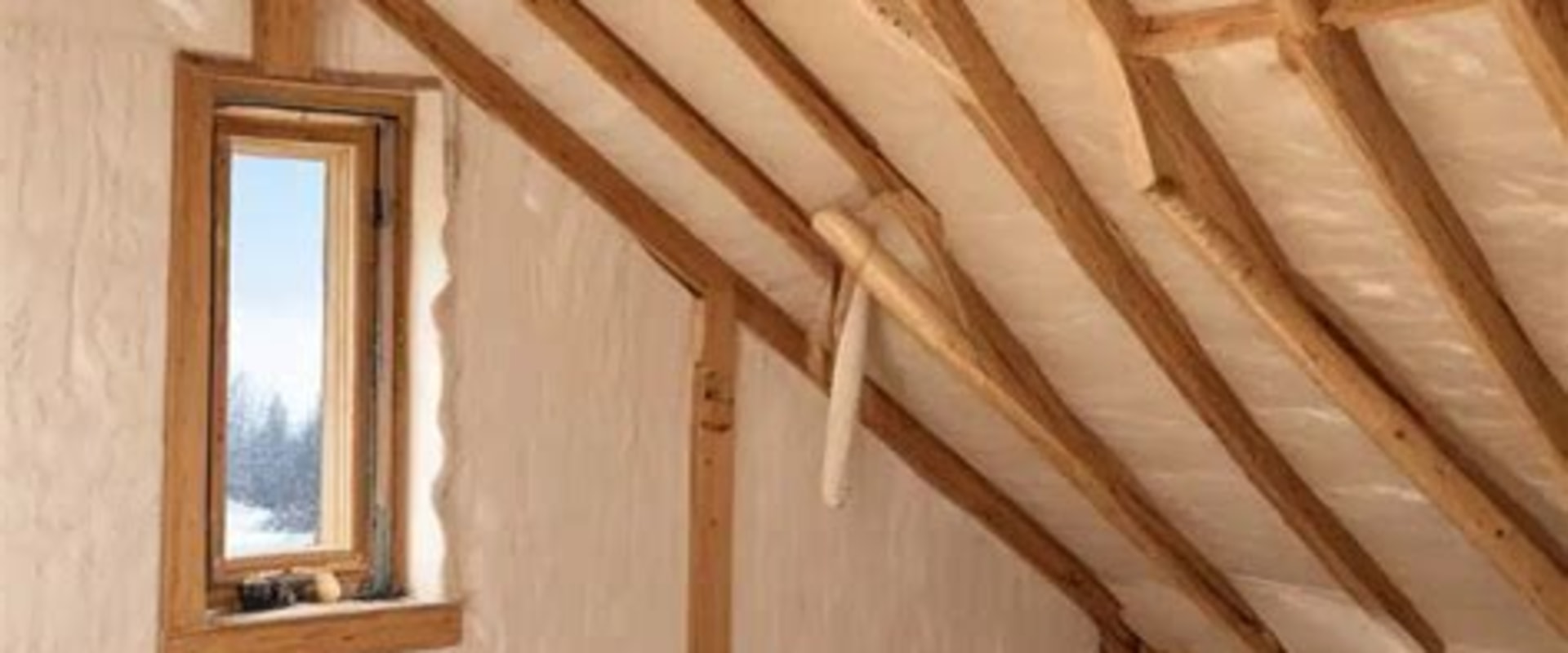
Insulation plays a crucial role in the home construction process, serving as a barrier against heat loss and gain. For homeowners, understanding the importance of insulation is not just about comfort; it directly impacts energy efficiency and long-term cost savings. Proper insulation ensures that your home maintains a stable temperature, reducing the need for excessive heating in winter and cooling in summer. This not only enhances comfort but also significantly lowers energy bills, making it a wise investment. During the construction phase, prioritising insulation can lead to substantial benefits.
A well-insulated home can prevent drafts and cold spots, creating a more pleasant living environment. Moreover, it contributes to a reduced carbon footprint by minimising energy consumption. Homeowners should consider various types of insulation materials, such as fibreglass, foam, or cellulose, each offering unique advantages depending on the specific needs of the home. In addition to new builds, maintenance of existing insulation is equally important. Over time, insulation can degrade or become less effective due to factors like moisture or pest infestations.
Regular inspections and timely upgrades can ensure that your home remains energy efficient throughout its lifespan. By recognising the significance of insulation in both construction and maintenance, homeowners can make informed decisions that enhance their property’s value and sustainability.
Types of Insulation Materials
When it comes to ensuring proper insulation in your home, understanding the different types of insulation materials available is crucial. Each material has its own unique properties, benefits, and drawbacks, making it essential for homeowners to choose wisely based on their specific needs.- Fiberglass Insulation: This is one of the most common insulation materials. It consists of tiny glass fibers and is available in batts, rolls, or loose-fill forms.
Pros: It is non-combustible, resistant to moisture, and relatively inexpensive.
Cons:
It can irritate the skin and lungs during installation, and its effectiveness can be compromised if it becomes wet. - Foam Insulation: Available in both rigid boards and spray foam, this type provides excellent thermal resistance.
Pros:
It creates an airtight seal, reducing air leaks significantly.Cons:
It can be more expensive than other options and may require professional installation. - Cellulose Insulation: Made from recycled paper products, cellulose is an eco-friendly option.
Pros: It has a high R-value per inch and is treated for fire resistance.
Cons:
It can settle over time, reducing its effectiveness and may require a vapor barrier in certain climates. - Mineral Wool (Rock Wool) Insulation: This material is made from natural or recycled materials and offers excellent soundproofing qualities.
Pros:
It is fire-resistant and does not absorb water.Cons:
It can be more expensive than fiberglass and may require protective gear during installation due to its fibrous nature.
By weighing the pros and cons of each option, homeowners can make informed decisions that enhance their home's energy efficiency while ensuring comfort throughout the year.
Assessing Your Home's Insulation Needs
To ensure your home is energy efficient, it’s essential to assess your insulation needs thoroughly. This process involves evaluating the current state of your insulation and identifying areas that may require enhancement. Here are some practical tips to help you conduct an effective insulation assessment:- Check for Drafts: Start by inspecting windows, doors, and any other openings for drafts. You can use a candle or incense stick; if the flame flickers or smoke drifts, you likely have air leaks.
- Inspect Attics and Basements: These areas are crucial for insulation.
In the attic, look for gaps in insulation or areas where it appears compressed. In basements, check for moisture issues that could indicate poor insulation.
- Use a Thermal Camera: If available, a thermal imaging camera can help you identify cold spots in your walls and ceilings, indicating insufficient insulation.
- Evaluate Insulation Material: Determine the type of insulation used (fibreglass, foam, cellulose) and its R-value, which measures thermal resistance. This information can guide you on whether to upgrade or add more insulation.
- Consider Professional Help: If you're unsure about your findings or want a comprehensive assessment, hiring a professional energy auditor can provide valuable insights and recommendations.
Remember that proper insulation not only enhances energy efficiency but also contributes to a more comfortable living environment.
Common Areas for Insulation in Homes
When considering energy efficiency in home construction and maintenance, identifying the common areas for insulation is crucial. Proper insulation in these hotspots can significantly reduce energy costs and enhance comfort. Here are the key areas where homeowners should focus their insulation efforts:- Attics: The attic is often the largest source of heat loss in a home. Insulating the attic floor can prevent warm air from escaping during winter and keep the space cooler in summer. Consider using materials like fibreglass batts or spray foam for optimal results.
- Walls: Insulating exterior walls is essential for maintaining a stable indoor temperature.
This can be achieved through cavity wall insulation, which fills the gap between the inner and outer walls, or by adding insulation boards to the interior or exterior surfaces.
- Basements: Basements are often overlooked but can be significant sources of heat loss. Insulating basement walls helps to keep the living spaces above warm and dry. Use rigid foam board insulation or spray foam to effectively seal these areas.
- Crawl Spaces: Similar to basements, crawl spaces can allow cold air to enter your home. Insulating the walls of crawl spaces with appropriate materials can help maintain a consistent temperature and prevent moisture issues.
Regular inspections and updates to insulation can further enhance energy savings and overall home performance.
DIY Insulation Projects vs. Hiring Professionals
When it comes to ensuring proper insulation in your home for energy efficiency, homeowners often face the decision of whether to undertake DIY insulation projects or to hire insulation professionals. Each option has its own set of advantages and disadvantages that can significantly impact both the effectiveness of the insulation and the overall cost.DIY Insulation Projects
- Cost-Effective: One of the primary benefits of DIY insulation is the potential for cost savings. By purchasing materials and doing the work yourself, you can avoid labour costs associated with hiring professionals.
- Flexibility: Homeowners can choose when and how to complete the project, allowing for a more personalised approach to their home’s insulation needs.
- Learning Experience: Engaging in DIY projects can be rewarding and educational, providing homeowners with valuable skills and knowledge about their home’s construction.
- Safety Risks: Insulating a home can involve working in confined spaces or at heights, which may pose safety risks if proper precautions are not taken.
- Quality Concerns: Without professional experience, there is a risk of improper installation, which can lead to air leaks and reduced energy efficiency.
- Time-Consuming: DIY projects can take longer than anticipated, especially if unexpected challenges arise during the installation process.
Hiring Insulation Professionals
- Expertise: Professionals bring a wealth of experience and knowledge, ensuring that insulation is installed correctly and efficiently.
- Time Efficiency: Hiring experts can save homeowners time, as they can complete the job more quickly than an inexperienced individual.
- Warranty and Guarantees: Many professional services offer warranties on their work, providing peace of mind that any issues will be addressed without additional costs.
The cost of insulation installation varies based on factors such as the type of insulation used, the size of the area being insulated, and local labour rates. Homeowners should weigh these costs against the potential long-term savings on energy bills due to improved insulation.Ultimately, the decision between DIY insulation projects and hiring professionals should be based on individual circumstances, including budget constraints, personal skill levels, and safety considerations. By carefully evaluating these factors, homeowners can make an informed choice that best suits their needs for home construction and maintenance.
Insulation Installation Techniques and Best Practices
When it comes to ensuring proper insulation in your home, understanding the installation techniques for various insulation materials is crucial. Each type of insulation—be it fibreglass, foam board, or spray foam—requires specific methods to achieve optimal performance.1.Fibreglass Insulation:
- Measure and Cut: Begin by measuring the spaces between your studs or joists.
Cut the fibreglass batts to fit snugly, ensuring there are no gaps.
- Install with Care: Place the batts between the studs, ensuring the paper facing is towards the living space for moisture control.
- Avoid Compression: Do not compress the insulation, as this reduces its effectiveness. It should fill the cavity completely without being squished.
2.Foam Board Insulation:
- Preparation: Ensure that the surface is clean and dry before installation. This helps in achieving a good seal.
- Cutting: Use a sharp utility knife to cut foam boards to size, ensuring they fit tightly against each other and around any obstacles.
- Sealing Joints: Use tape or adhesive specifically designed for foam board to seal all joints, preventing air leaks.
3.Spray Foam Insulation:
- Safety First: Always wear protective gear, including gloves and a mask, as spray foam can be hazardous during application.
- Application Technique: Apply the foam in layers, allowing each layer to expand and cure before adding more. This ensures even coverage and prevents overspill.
- Curing Time: Allow adequate time for the foam to cure fully before closing up walls or ceilings, as this maximises its insulating properties.
Best Practices for Insulation Installation:
- Follow Building Regulations: Always check local building codes and regulations to ensure compliance with insulation standards.
- Avoid Thermal Bridging: Ensure that insulation is continuous and covers all areas to prevent heat loss through thermal bridges.
- Ventilation Considerations: Maintain proper ventilation in insulated areas to prevent moisture build-up, which can lead to mould growth.
Maintaining Your Home's Insulation Over Time
Maintaining your home’s insulation is crucial for ensuring long-term energy efficiency and comfort.Over time, insulation materials can degrade due to various factors such as moisture, pests, and general wear and tear. Regular maintenance not only helps in identifying potential issues early but also extends the lifespan of your insulation.
Regular Inspections
- Conduct visual inspections of your insulation at least once a year. Look for signs of damage such as sagging, mould growth, or pest infestations.
- Check areas prone to moisture, like basements and attics, as these are often the first places where insulation can deteriorate.
- Inspect the exterior of your home for any cracks or gaps that could allow air leaks, which can compromise your insulation’s effectiveness.
Maintenance Tips
- Cleanliness is key: Ensure that the areas around your insulation are free from debris and dust. This not only helps maintain the integrity of the insulation but also improves air quality.
- Address moisture issues: If you notice any signs of dampness or water leaks, address them immediately.
Consider installing a dehumidifier in areas with high humidity to protect your insulation.
- Upgrade when necessary: If your insulation is over 15 years old or shows significant wear, it may be time to consider an upgrade. Modern materials offer better energy efficiency and longevity.
Longevity of Insulation Materials
The lifespan of insulation materials varies significantly. For instance, fibreglass batts can last up to 80 years if properly maintained, while spray foam can last around 20-30 years. Understanding the expected lifespan of your specific insulation type will help you plan for future maintenance or replacement needs.In conclusion, regular maintenance of your home’s insulation is essential for preserving its effectiveness and ensuring energy efficiency.
By conducting routine inspections and addressing issues promptly, homeowners can enjoy a comfortable living environment while reducing energy costs.
Frequently Asked Questions About Home Insulation
Home insulation is a crucial aspect of home construction and maintenance, yet many homeowners have questions about its effectiveness and implementation. Here are some frequently asked questions that can help clarify common concerns.What types of insulation are available?
- Fibreglass insulation: This is one of the most common types, known for its affordability and effectiveness in thermal resistance.
- Foam board insulation: Ideal for areas with limited space, foam boards provide excellent thermal resistance and are often used in walls and roofs.
- Spray foam insulation: This type expands on application, filling gaps and providing a strong air seal, making it highly effective for energy efficiency.
- Cellulose insulation: Made from recycled paper products, cellulose is an eco-friendly option that offers good thermal performance.
How do I know if my home needs more insulation?
If you notice drafts, fluctuating temperatures between rooms, or high energy bills, it may be time to assess your insulation. A professional energy audit can also identify areas where insulation is lacking.Can I install insulation myself?
While some types of insulation can be installed by homeowners, such as fibreglass batts, others like spray foam require professional expertise. Always consider your skill level and the specific requirements of the insulation type before proceeding.What is the R-value and why is it important?
The R-value measures the thermal resistance of insulation materials.A higher R-value indicates better insulating properties. When selecting insulation, consider the recommended R-values for your region to ensure optimal energy efficiency.
How often should I check my insulation?
It’s advisable to inspect your insulation every few years or after significant weather events. Look for signs of moisture damage or pest infestations, which can compromise its effectiveness.By addressing these common questions about home insulation, homeowners can make informed decisions that enhance their home's energy efficiency and comfort.Conclusion: The Path to an Energy-Efficient Home Through Proper Insulation
In conclusion, ensuring proper insulation in your home is a critical step towards achieving energy efficiency. Throughout this article, we have explored various aspects of insulation, from understanding its importance to identifying the best materials and techniques for your specific needs. To recap, here are the key points to consider:- Types of Insulation: Different materials such as fibreglass, foam, and cellulose offer unique benefits.
Choosing the right type for your home can significantly impact energy savings.
- Installation Techniques: Proper installation is crucial. Even the best insulation can underperform if not installed correctly. Engaging professionals or following detailed guidelines can ensure optimal results.
- Regular Maintenance: Insulation is not a one-time investment. Regular checks and maintenance can help identify any issues early, preventing energy loss and costly repairs.
- Energy Audits: Conducting an energy audit can provide insights into areas where insulation may be lacking, allowing homeowners to make informed decisions about upgrades.
The long-term benefits of reduced energy bills and increased property value make it a worthwhile investment. As you embark on your journey towards an energy-efficient home, remember that every step taken in improving insulation is a step towards a greener future.