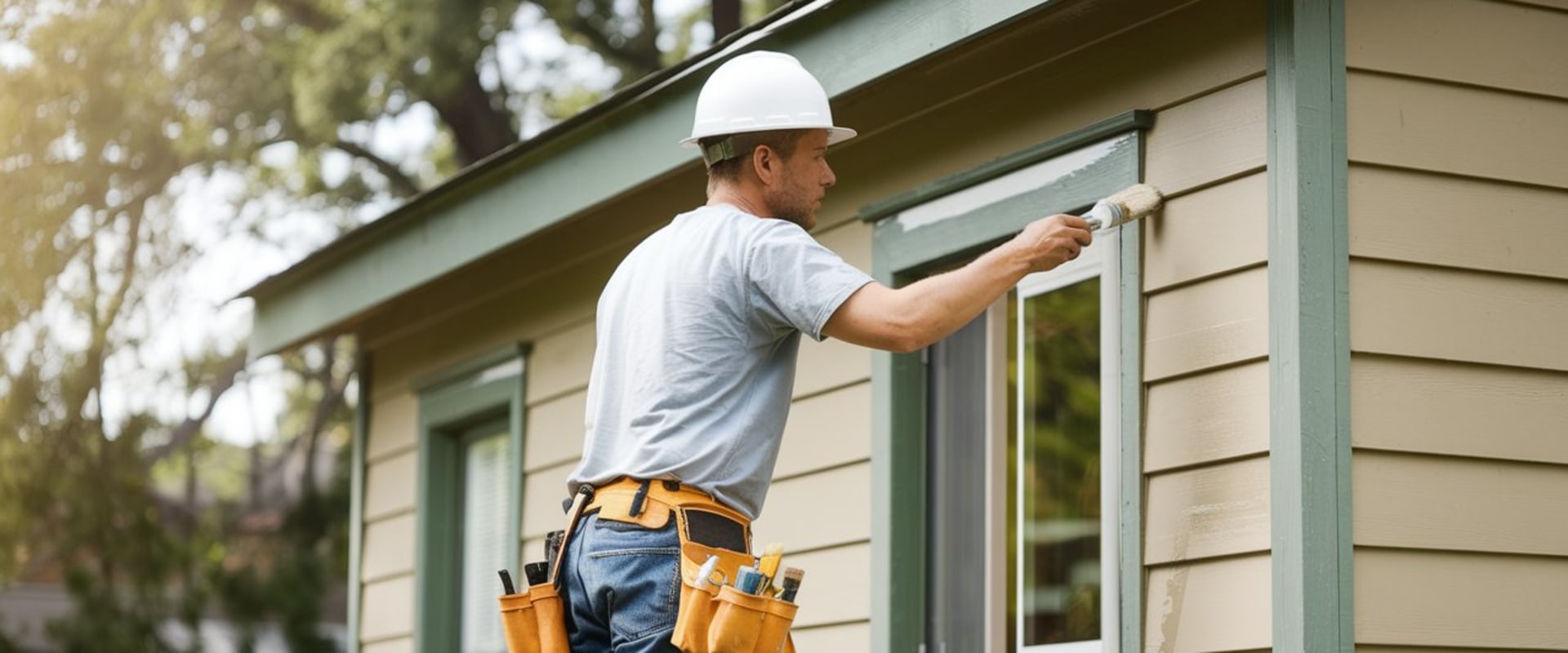
Homeownership is often seen as a dream come true, but it comes with its own set of challenges, particularly when it comes to home maintenance. Many homeowners find themselves unprepared for the myriad of issues that can arise, from minor repairs to major renovations. Understanding these home maintenance challenges is crucial for anyone looking to protect their investment and ensure their living space remains safe and comfortable. One of the most common problems faced by homeowners is the lack of regular maintenance, which can lead to more significant issues down the line. For instance, neglecting routine checks on plumbing or roofing can result in costly repairs that could have been avoided with timely intervention.
Additionally, many homeowners struggle with identifying the right professionals for specific tasks, leading to further complications and potential financial strain. Moreover, the emotional toll of managing a home can be overwhelming. Homeowners often juggle multiple responsibilities, making it easy to overlook essential maintenance tasks. This can create a cycle of stress and anxiety, as unresolved issues accumulate and become more daunting. By recognising these common homeowner issues, individuals can better prepare themselves for the realities of homeownership and develop effective strategies to tackle maintenance challenges head-on.
Financial Constraints in Home Maintenance
Home maintenance is an essential aspect of homeownership, yet it often comes with significant financial constraints.Many homeowners find themselves unprepared for the costs associated with maintaining their properties, leading to stress and potential neglect of necessary repairs.One of the primary challenges is the cost of home maintenance. Regular upkeep, such as painting, plumbing repairs, and roof inspections, can accumulate quickly. Homeowners should anticipate these expenses and incorporate them into their annual budgets. A common rule of thumb is to set aside about 1% of the home’s value each year for maintenance.
For example, a £250,000 home would require approximately £2,500 annually for upkeep.However, budgeting for home repairs can be tricky due to unexpected costs. Emergencies such as a burst pipe or a malfunctioning boiler can arise without warning, often requiring immediate financial outlay. To mitigate this risk, homeowners should consider establishing an emergency fund specifically for home repairs. This fund can provide peace of mind and ensure that necessary repairs are addressed promptly without derailing other financial commitments.Another financial challenge homeowners face is the fluctuation in repair costs.
Prices for materials and labour can vary significantly based on market conditions. Homeowners should stay informed about local market trends and seek multiple quotes before committing to any major repair work. This approach not only helps in finding the best price but also aids in understanding the typical costs associated with various maintenance tasks.In conclusion, managing the financial aspects of home maintenance requires careful planning and foresight. By budgeting effectively, preparing for unexpected expenses, and staying informed about market trends, homeowners can navigate these challenges more successfully and maintain their properties without undue financial strain.
Time Management Issues
Homeowners often find themselves juggling numerous responsibilities, making time management a significant challenge in the realm of home construction and maintenance.With busy work schedules and personal commitments, it can be difficult to allocate sufficient time for essential repairs and upkeep.One of the primary issues is scheduling repairs. Homeowners may struggle to find a suitable time for contractors or service providers, especially if they have to work around their own job commitments. This can lead to delays in necessary maintenance tasks, which can exacerbate problems over time.To effectively manage time, homeowners can adopt several strategies:
- Prioritise Tasks: Create a list of maintenance tasks ranked by urgency. For instance, addressing leaks or electrical issues should take precedence over cosmetic improvements.
- Set Realistic Goals: Break down larger projects into smaller, manageable tasks.
This approach not only makes the workload seem less daunting but also allows for progress tracking.
- Utilise Technology: Consider using apps or digital calendars to schedule maintenance tasks and set reminders. This can help ensure that nothing is overlooked amidst a busy lifestyle.
- Delegate Responsibilities: If possible, share the workload with family members or hire professionals for specific tasks. This can free up valuable time for other priorities.
Lack of Knowledge and Skills
One of the most significant challenges homeowners face in home construction and maintenance is a lack of knowledge and skills.Many individuals find themselves overwhelmed when it comes to performing essential maintenance tasks, which can lead to costly mistakes or neglected repairs.Understanding basic home maintenance skills is crucial for every homeowner. Tasks such as plumbing repairs, electrical work, and even simple landscaping can seem daunting without the right knowledge. This gap in skills often results in homeowners either attempting DIY solutions that may not be effective or deferring maintenance altogether.
DIY Challenges
While the DIY approach can be rewarding and cost-effective, it comes with its own set of challenges:- Time Consumption: Many homeowners underestimate the time required to complete a project, leading to unfinished tasks.
- Lack of Tools: Not having the right tools can hinder progress and result in subpar work.
- Safety Risks: Certain tasks, especially those involving electricity or heavy lifting, pose safety risks if not handled correctly.
- Cost: Professional services can be expensive, which may not fit into every homeowner's budget.
- Finding Reliable Help: It can be difficult to find trustworthy professionals who deliver quality work.
- Lack of Control: Homeowners may feel a loss of control over the project when relying on others.
Dealing with Seasonal Changes
Seasonal changes can significantly impact the maintenance of your home, presenting unique challenges that require timely attention.As the weather shifts, homeowners must adapt their upkeep strategies to ensure their properties remain safe and comfortable.
Preparing for Winter
As winter approaches, it’s crucial to prepare your home for the cold months ahead. Here are some essential tips:- Insulate Pipes: Prevent frozen pipes by insulating them, especially those in unheated areas.
- Check Heating Systems: Schedule a professional inspection of your heating system to ensure it operates efficiently.
- Seal Drafts: Inspect windows and doors for drafts and seal any gaps to retain heat.
- Clear Gutters: Remove leaves and debris from gutters to prevent ice dams and water damage.
Preparing for Summer
As temperatures rise, summer maintenance becomes essential. Consider these tips:- Inspect Air Conditioning: Ensure your air conditioning unit is serviced and filters are replaced for optimal performance.
- Maintain Landscaping: Regularly trim trees and shrubs to prevent overgrowth that can damage your home.
- Check Roof and Exterior: Inspect your roof for any damage and ensure that exterior paint is intact to protect against moisture.
Similarly, autumn leaves can clog gutters, leading to potential issues if not addressed promptly.By staying proactive and implementing these seasonal home maintenance tips, homeowners can mitigate risks associated with changing weather conditions. This not only protects the integrity of the home but also enhances its longevity and value.
Finding Reliable Contractors and Services
One of the most significant challenges homeowners face during home construction and maintenance is finding reliable contractors and service providers. With numerous options available, it can be overwhelming to determine which professionals are trustworthy and capable of delivering quality work.To navigate this challenge effectively, homeowners should consider the following strategies:- Seek Recommendations: Start by asking friends, family, or neighbours for recommendations. Personal experiences can provide valuable insights into a contractor's reliability and quality of work.
- Check Online Reviews: Websites like Trustpilot, Google Reviews, and local directories can offer a wealth of information.
Look for contractors with consistently positive feedback and pay attention to how they respond to negative reviews.
- Verify Credentials: Ensure that any contractor you consider is properly licensed and insured. This not only protects you from potential liabilities but also indicates a level of professionalism.
- Request Multiple Quotes: Obtaining quotes from several contractors allows you to compare prices and services. Be wary of quotes that seem too good to be true, as they may indicate subpar work or hidden costs.
- Conduct Interviews: Once you have a shortlist, conduct interviews to gauge their expertise and communication skills. Ask about their experience with similar projects and request references from past clients.
Common issues include:
- Lack of Communication: Poor communication can lead to misunderstandings about project scope, timelines, and costs. Ensure that your chosen contractor is responsive and clear in their communication.
- Unforeseen Costs: Many homeowners are surprised by additional expenses that arise during a project. Discuss potential extra costs upfront and ensure that your contract includes provisions for unexpected issues.
- Quality of Work: Even after thorough vetting, some contractors may not meet expectations. Establish clear standards for quality before work begins and maintain regular check-ins throughout the project.
Maintaining Older Homes vs New Builds
When it comes to home construction and maintenance, the challenges faced by homeowners can vary significantly between older homes and new builds.Each type of property presents its own set of unique issues that require careful consideration and tailored approaches.
Maintenance of Older Homes
Older homes often come with a rich history and character, but they also pose specific maintenance challenges:- Structural Integrity: Many older homes may have underlying structural issues due to age, such as settling foundations or deteriorating beams. Regular inspections are crucial to identify these problems early.
- Outdated Systems: Plumbing, electrical, and heating systems in older homes may not meet modern standards, leading to potential safety hazards and inefficiencies. Upgrading these systems can be costly but necessary for safety and comfort.
- Insulation and Energy Efficiency: Older properties often lack adequate insulation, resulting in higher energy bills. Homeowners may need to invest in retrofitting insulation or replacing windows to improve energy efficiency.
- Maintenance of Original Features: Preserving original features such as woodwork, plaster, and period details can be challenging.
Homeowners must balance restoration with the need for modern updates.
New Build Challenges
While new builds are often seen as low-maintenance, they come with their own set of challenges:- Settling Issues: Newly constructed homes may experience settling as the foundation adjusts to the weight of the structure. This can lead to cracks in walls or uneven floors that require attention.
- Building Regulations: New builds must comply with current building regulations, which can change frequently. Homeowners need to stay informed about these regulations to ensure ongoing compliance.
- Landscaping and Drainage: New properties often require landscaping and proper drainage solutions to prevent water pooling or erosion. This can be an additional expense that homeowners must plan for.
- Warranty Management: Many new builds come with warranties that cover certain defects.
Homeowners should understand the terms of these warranties and keep records of any issues that arise.
Environmental Factors Affecting Home Maintenance
Homeowners often face a myriad of challenges when it comes to maintaining their properties, and environmental factors play a significant role in these issues. Understanding how climate and weather conditions affect home maintenance is crucial for effective upkeep.One of the primary concerns is the impact of extreme weather. Heavy rainfall can lead to water damage, while high winds may cause roof damage or uproot trees that can fall on the property.Homeowners should regularly inspect their roofs and gutters to ensure they are clear of debris, which can exacerbate water-related issues.
Weather-Related Maintenance Issues:
- Moisture and Humidity: High humidity levels can lead to mould growth, particularly in basements and bathrooms. Installing dehumidifiers and ensuring proper ventilation can mitigate these risks.
- Temperature Fluctuations: In regions with significant temperature changes, materials such as wood and metal can expand and contract, leading to structural issues. Regular inspections of windows and doors for drafts can help maintain energy efficiency.
- Snow and Ice: In colder climates, snow accumulation on roofs can lead to ice dams, which may cause leaks. Homeowners should consider installing heating cables or regularly clearing snow from rooftops.
Climate Considerations in Home Upkeep:
The local climate should inform maintenance schedules.
For instance, homes in coastal areas may require more frequent painting due to salt air corrosion, while properties in arid regions might need regular checks for cracks caused by dry conditions.To enhance the longevity of a home, homeowners should adopt a proactive approach by implementing preventative measures. This includes regular maintenance checks tailored to the specific environmental challenges faced in their area. By understanding the unique demands posed by their surroundings, homeowners can better protect their investments and ensure a safe living environment.
FAQs About Home Maintenance Challenges
Homeowners often encounter a variety of challenges when it comes to home maintenance. Here are some frequently asked questions that can help clarify these common concerns:- What are the most common maintenance issues homeowners face?
Many homeowners report issues such as leaky roofs, plumbing problems, and electrical faults.Regular inspections can help identify these issues early.
- How often should I perform maintenance on my home?
It is advisable to conduct a thorough inspection at least twice a year, focusing on critical areas like the roof, gutters, and HVAC systems. - What should I do if I find mould in my home?
Mould can pose serious health risks. It’s essential to address the source of moisture and consider hiring a professional for removal if the affected area is extensive. - How can I prevent costly repairs?
Regular maintenance is key. Create a checklist for seasonal tasks, such as cleaning gutters and checking for leaks, to avoid larger issues down the line. - Are DIY repairs always a good idea?
While many minor repairs can be handled by homeowners, it’s crucial to know your limits. Complex issues, especially those involving electrical or plumbing work, should be left to professionals.
By staying informed and prepared, you can mitigate many of the challenges associated with home upkeep.
Conclusion: Overcoming Home Maintenance Challenges
In conclusion, navigating the complexities of home construction and maintenance can be a daunting task for many homeowners. However, by understanding the common challenges and implementing proactive strategies, it is possible to mitigate these issues effectively.Throughout this article, we have explored various obstacles such as unexpected repairs, budgeting constraints, and the need for regular inspections. Each of these challenges can lead to significant stress if not addressed promptly. Therefore, it is crucial to adopt a systematic approach to home maintenance.Key Strategies for Success
- Regular Inspections: Schedule routine checks of your property to identify potential problems before they escalate.
- Budgeting Wisely: Allocate a specific portion of your finances for maintenance to avoid surprises.
- Educate Yourself: Stay informed about common issues related to home construction and maintenance, which can empower you to tackle problems more effectively.
- Seek Professional Help: Don’t hesitate to consult with experts when faced with complex repairs or renovations.
Remember, proactive maintenance is key to preventing minor issues from becoming major headaches.As you reflect on the insights shared in this article, consider how you can apply them to your own home. Engaging in regular maintenance not only protects your investment but also contributes to a safer and more comfortable home for you and your family.